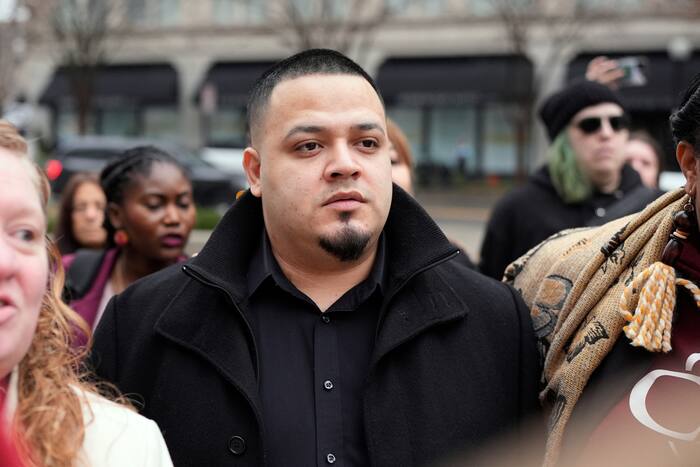
The twenty-month legal saga surrounding Kilmar Abrego Garcia just hit its final chapter. Instead of facing another forced removal to West Africa, Abrego Garcia boarded a commercial flight to Madrid, choosing to leave the United States on his own terms.
If you've followed this case from the beginning, you know it turned immigration law upside down. What started as an administrative blunder snowballed into a massive constitutional showdown involving the White House, the Supreme Court, and federal judges. Now, it's over—at least on American soil. Learn more on a related topic: this related article.
How a Mistaken Deportation Sparked a Global Fight
Back in March 2025, Abrego Garcia was arrested in Maryland and mistakenly shipped off to a high-security prison in El Salvador. ICE officials later admitted it was an administrative error, but the damage was done. He was trapped in a notorious foreign penal system while his legal team scrambled.
That mistake triggered an emergency Supreme Court battle. Justices ruled that the government had to facilitate his release and return. The Trump administration complied, but brought him back only to hit him with a fresh human smuggling indictment in Tennessee. Further analysis by TIME delves into comparable perspectives on the subject.
That criminal case didn't stick. A federal judge eventually tossed it out, ruling that the Department of Justice brought the charges purely as retaliation for his deportation challenges. Even with the criminal case dismissed, the administration refused to let him stay. Officials pivoted to a new plan: deporting him to third-party nations in Africa, cycling through potential destinations like Uganda, Eswatini, Ghana, and Liberia.
Choosing Spain Over Another Deportation Fight
Facing the very real threat of being sent to Liberia under a federal judge's deadline, Abrego Garcia opted for a negotiated voluntary departure. Maryland Senator Chris Van Hollen confirmed that Abrego Garcia left as a free man, heading to a country of his own choosing rather than continuing to battle the administration's relentless removal efforts.
Legal experts point out that self-deporting allowed him to bypass the heavy restrictions tied to a formal government expulsion. By boarding that flight to Madrid on Tuesday, he traded an endless courtroom deadlock for safety and autonomy.
The Department of Justice is still technically appealing the dismissal of his old Tennessee case, but that legal posturing matters little now that he is out of the country. His departure brings a quiet close to one of the most polarizing immigration cases of the decade.