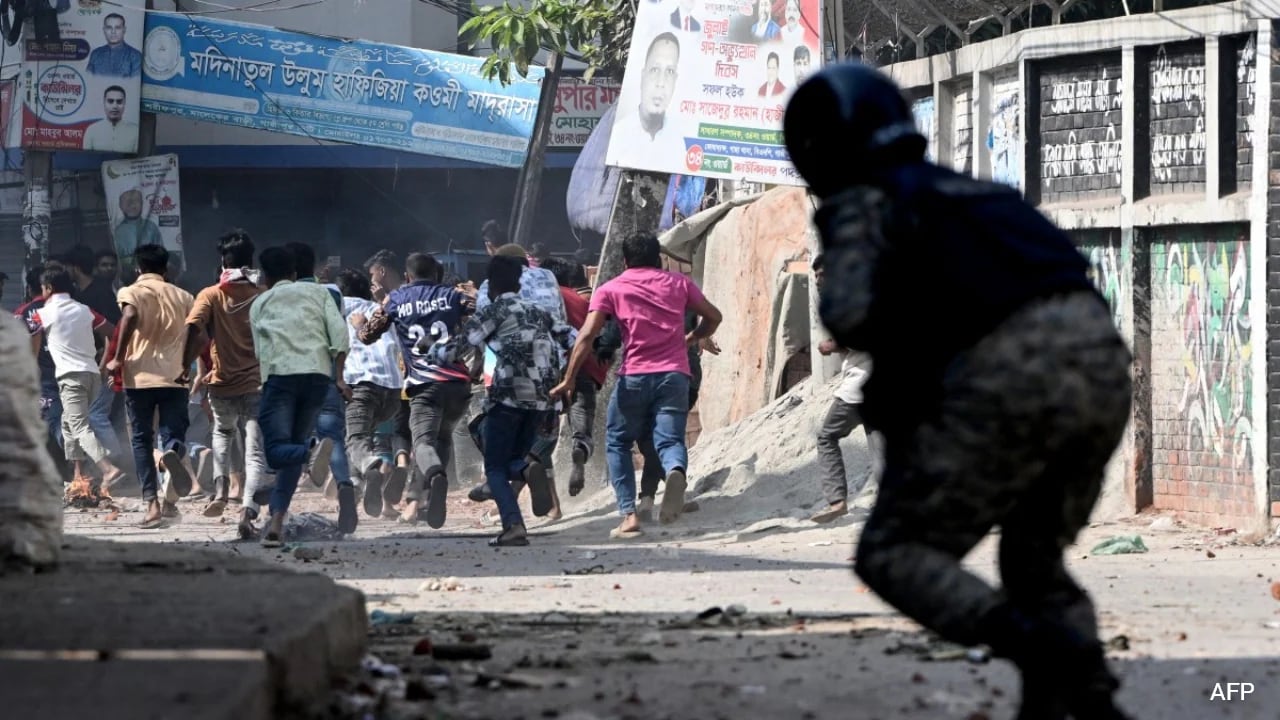
A 15-year-old boy from Ipswich is fighting for his life in hospital with a fractured skull, facial fractures, and bleeding on the brain after a brutal late-night attack outside a McDonald's in Surfers Paradise during Schoolies celebrations. Police prosecutors told Southport court that the boy faces a serious risk of death or permanent disability, and eleven teenagers have now been charged over the assault.
Hearing that a teenager could be left permanently disabled after an overnight street assault makes your stomach drop. It also exposes a recurring pattern that shock-value headlines rarely explain properly. When thousands of young people pack into a tight nightlife strip in the early hours of the morning, fast-food corners around Cavill Avenue and The Esplanade turn into flashpoints fast.
Why Gold Coast Fast Food Corners Become Nightlife Flashpoints
Anyone who has walked through Surfers Paradise after midnight knows what late-night food spots actually are. They aren't quiet places to grab a burger and head straight home. They're bottlenecks where tired, wired, or intoxicated crowds spill off the street at the exact hour police and venue security are stretched thin.
In the Surfers Paradise assault, police reported the attack happened around 3:20 a.m. on Tuesday during the third night of Schoolies near Cavill Avenue and The Esplanade, leaving the 15-year-old with ten fractures and severe brain trauma. Prosecutors and court reports pointed to a group assault and pack behavior, with magistrate Michelle Dooley denying bail for one accused teen.
Why do assaults escalate so rapidly in these exact spots? Three things collide at once:
- Late-night crowd compression: After clubs and late venues wind down, people drift toward brightly lit corners and food outlets with zero personal space.
- Group dynamics and bravado: A shoving match or argument between two people quickly draws onlookers, hype, and piling-on when a group decides to back one side.
- Hard surfaces and zero margin for error: Concrete sidewalks, curbs, and glass storefronts turn a knock-down or stomp into a life-altering head injury in seconds.
Notice what's missing when coverage stops at calling attackers "thugs" and replaying witness shock. Calling people names makes for punchy copy, sure, yet it tells you nothing about crowd flow, late-night policing gaps, or how a single blow to concrete changes a family's life forever.
What Medical Warnings About Permanent Disability Actually Mean
When a prosecutor says a victim with brain bleeding and skull fractures could face permanent disability, that isn't courtroom melodrama. Severe traumatic brain injury affects far more than whether someone can walk out of an emergency room weeks later.
Doctors treating severe head trauma look closely at swelling, intracranial pressure, oxygen delivery, and structural fractures across the skull and face. Even when a patient survives an induced coma and intensive care, long-term effects can include memory loss, trouble concentrating, personality or impulse shifts, balance issues, seizures, and chronic headaches.
Recovery timelines are messy and uncertain. Some younger patients make remarkable gains through months of neurological rehabilitation, while others hit a plateau early or face lifelong care needs. Nobody can honestly promise a clean outcome in the first days after a major brain bleed, and pretending otherwise does readers a disservice.
Misconceptions About Schoolies Violence and Youth Safety
A lot of people assume Schoolies trouble is just out-of-control graduates running wild from dusk till dawn. That's only half the picture, and sometimes it isn't even the main driver.
Police reporting on the Gold Coast incidents noted that not every teenager involved in late-night clashes is a registered Schoolies participant, and some teens were arrested over alleged group assaults while other attendees said they felt relatively safe earlier in the night. Meanwhile, a second assault in Surfers Paradise left a 19-year-old hospitalized with non-life-threatening injuries just a day later, showing how quickly tension can flare across back-to-back nights.
Another myth is that "it was just a fight." Street fights between individuals are dangerous enough, yet group attacks where someone goes down unconscious change the medical stakes completely. Once a person can't brace their fall or protect their head, every extra kick or impact multiplies the risk of catastrophic injury.
Even on the policing side, it's fair to debate where responsibility sits. Fast-acting officers can break up scenes once alerted, as some witnesses noted, while critics and residents keep asking whether late-night lighting, security presence, transport bottlenecks, and crowd management around major intersections are keeping pace with peak holiday surges. There's no single silver bullet here—honestly, blaming one factor alone misses how these incidents snowball.
Practical Steps for Teens, Parents, and Late-Night Travelers
If you're heading to a busy nightlife strip, sending a teen away for end-of-school celebrations, or walking through a crowded entertainment district late at night, practical habits matter more than tough talk.
- Leave the fringe early: Most severe street assaults happen late at night when crowds thin into smaller, rowdier pockets and tempers fray. Heading back to accommodation earlier cuts your exposure sharply.
- Avoid lingering at late-night food bottlenecks: Grab food and move away from crowded corners or loud arguments immediately. Don't stand around watching a scuffle build.
- Stick to a clear group plan: Agree on meeting points, keep phones charged, and don't split off alone into side streets or quiet stretches at 2 or 3 a.m.
- De-escalate and walk away fast: Pride is cheap compared to a hospital bed. If someone wants a confrontation, back off, put distance between you and them, and flag security or police right away.
- Know how to help safely if someone is hurt: Call emergency services immediately, keep an injured or unconscious person safe from traffic or further harm without yanking them around awkwardly if head or neck injury is suspected, and give clear details to police.
If you're a parent or guardian, have a straightforward chat before any trip about what to do when a night turns sour—including a no-judgment call or ride option if plans go sideways. You can check official updates through Queensland Police and support resources for young people and families through headspace.
Stay sharp after dark, watch your surroundings near crowded late-night strips, and never underestimate what a few seconds of street violence can cost.