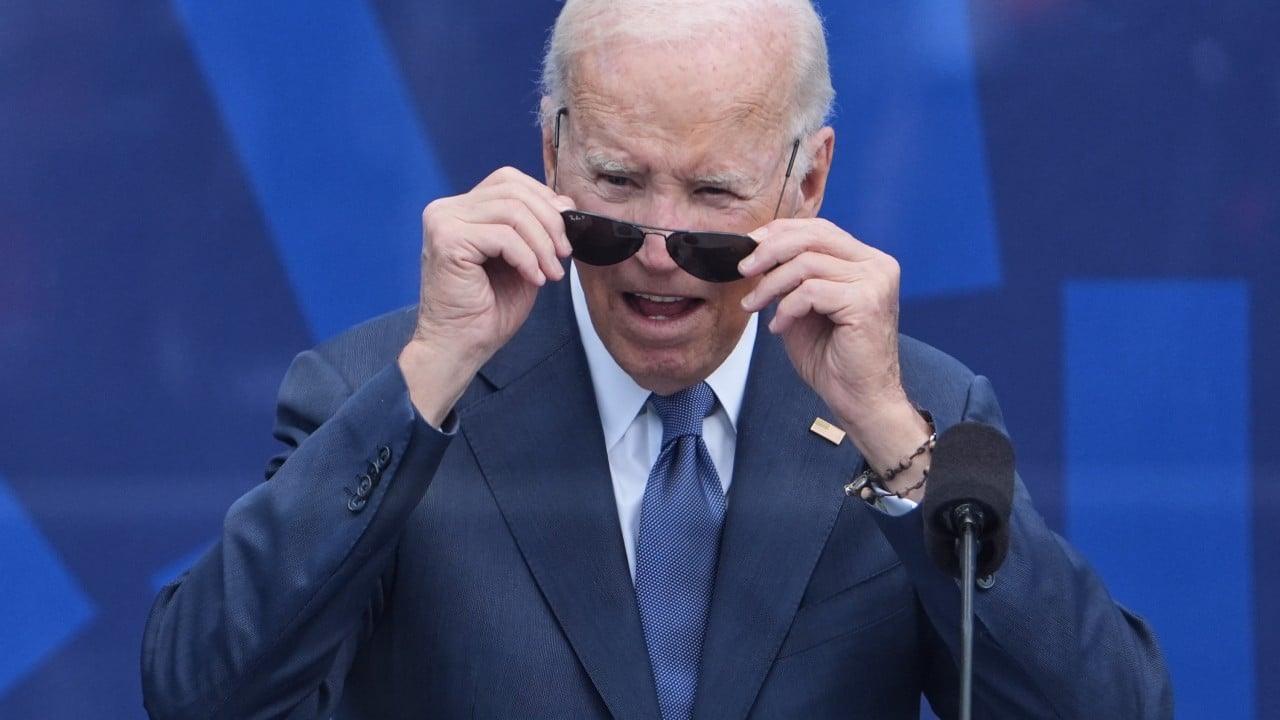
Watching a parent age is hard. Watching the public dissect their physical decline on a global stage is an entirely different kind of cruel.
Hunter Biden recently sat down with BBC Newsnight to drop a heavy reality check about his father. Former U.S. President Joe Biden is facing a brutal medical battle. The prostate cancer first disclosed in May 2025 has continued to metastasize into his bones and further. According to his son, the physical toll is intensely painful and profoundly debilitating.
Let's look past the political headlines and talk about what this diagnosis actually entails, how aggressive prostate cancer behaves at this stage, and why the family's candor matters.
The Reality of Advanced Prostate Cancer Metastasis
When prostate cancer breaks out of the prostate capsule and travels to the skeletal system, the clinical landscape shifts dramatically. Bone metastases are notoriously painful. They happen because cancer cells disrupt the normal balance of bone-building and bone-destroying cells.
Joe Biden's medical team initially put him through rounds of radiation therapy and hormone treatments. While hormone therapy (androgen deprivation therapy) can slow down disease progression for a long time by starving the cancer of testosterone, advanced forms eventually find ways to adapt.
Bone pain from metastasis isn't just a dull ache. It's often sharp, persistent, and exhausting. Patients require comprehensive palliative care alongside ongoing oncological treatments just to manage day-to-day mobility and comfort.
Sorting Through the Timeline
Public updates on presidential health have always been a delicate dance between transparency and privacy.
- May 2025: The diagnosis of an aggressive form of prostate cancer is made public just four months after Joe Biden leaves the White House.
- Late 2025: The former president completes a round of radiation therapy, while also treating separate skin cancer cells on his forehead.
- July 2026: Brief optimism surfaces when upcoming memoir announcements feature statements that treatment is going "really well".
- August 2026: Hunter Biden's BBC interview shatters that brief window of optimism, confirming the disease has progressed further despite treatment.
Jill Biden previously noted that the family expects him to live with cancer for the remainder of his life. That phrasing is clinical speak for a chronic, managed terminal condition.
The Public Figure Versus the Aging Human
We spent years arguing over Joe Biden's cognitive fitness, his age, and his historic decision to step aside from the 2024 presidential race. Pundits scored points off every stumble. Voters debated whether eighty-plus was too old to hold the nuclear codes.
Now, the political theater is stripped away. You're left with an eighty-three-year-old man dealing with a relentless disease that does not care about past approval ratings or legacy.
Hunter Biden admitted in the interview that watching his father fight is painful and hard to witness. Yet, he also pointed out that his father insists on staying active, doing his routine, and holding onto his deep belief in the country.
What Comes Next for Patient Care and Family Support
Navigating late-stage bone metastasis requires a shift in priorities. Medical strategies focus almost entirely on quality of life, pain mitigation, and maintaining functional independence for as long as humanly possible.
If you or someone in your family is facing a similar advanced cancer diagnosis, the takeaways are clear:
- Build an aggressive palliative care team early, not at the very end. Palliative care specializes in symptom relief and pain management, making it essential alongside traditional oncology.
- Lean into open communication with medical providers about breakthrough pain. Treatments can be adjusted quickly when doctors know the exact threshold of discomfort.
- Protect the mental well-being of caregivers. Witnessing a loved one decline under heavy cancer symptoms burns out families fast. Seek out local or online caregiver support networks immediately.
Joe Biden's story is unique because of the office he held, but the quiet heartbreak of watching a loved one face advanced cancer is universal.