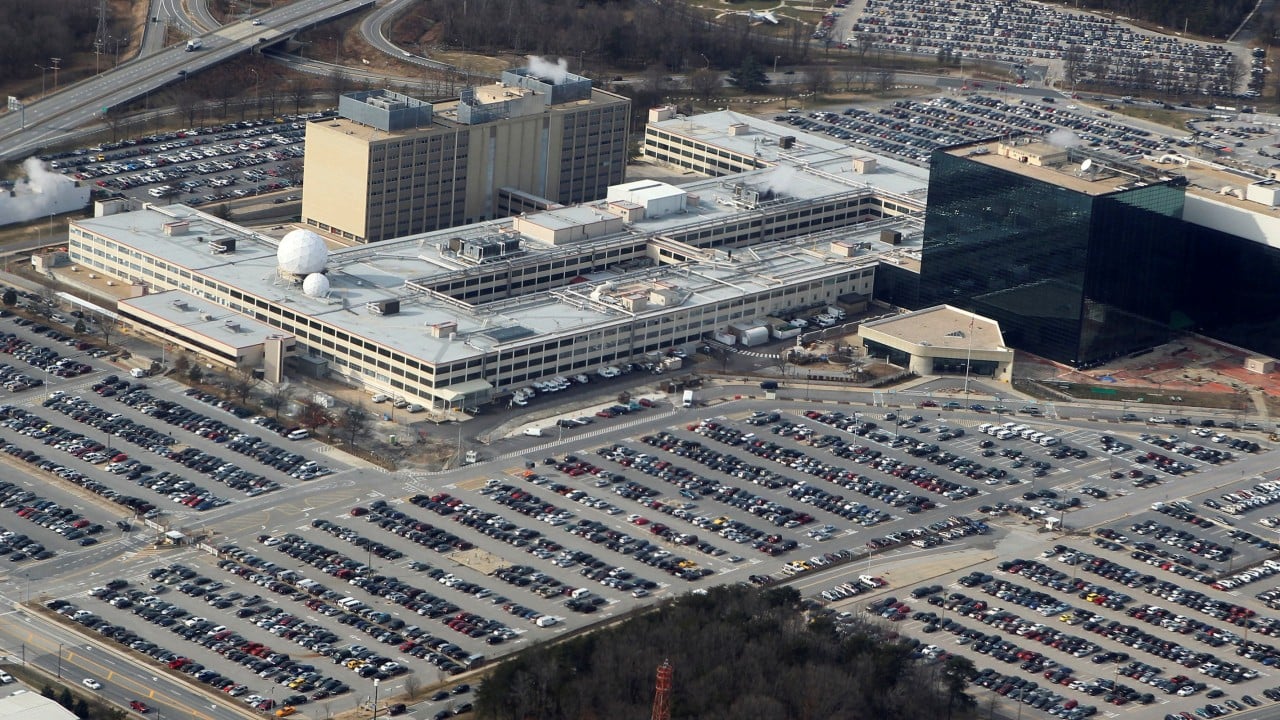
When a top-secret government intelligence network drops offline, people immediately whisper about foreign adversaries, zero-day exploits, and digital warfare. But the reality behind the latest system failure hitting America's intelligence apparatus is often far more mundane and infinitely more frustrating.
The internal communications network used by the National Security Agency went dark, triggering immediate concerns across Washington. Initial reports citing multiple insiders confirmed that the outage knocked out internal channels relied upon by intelligence personnel. Yet, the underlying cause pointed away from a sophisticated foreign cyberattack and toward an internal software update gone wrong.
The Myth of Invulnerability
We expect our premier intelligence agencies to operate on unbreakable, self-healing digital infrastructure. They are tasked with monitoring global threats, after all. When their internal systems stutter, it shatters the illusion of technological infallibility.
People assume high-security government networks run on alien technology that never crashes. They don't. They run on complex software, legacy databases, and routine update cycles just like corporate enterprise systems. When a bad patch hits or a server configuration fails, even Fort Meade feels the pain.
Administrators and engineers know that human error and bad code deployment cause far more downtime than James Bond-style foreign hackers. Sources familiar with the NSA incident noted that routine software maintenance was the culprit. That distinction matters. It shifts the conversation from national security panic to a much more boring reality: IT hygiene and deployment management.
A Pattern of Fragility
This disruption didn't happen in a vacuum. It arrived on the heels of a chaotic week for American technology infrastructure. Recent memory includes widespread Microsoft service blackouts affecting Outlook and Teams globally, alongside severe air traffic control disruptions that left thousands of travelers stranded due to aging regulatory equipment.
When critical systems fail back-to-back, public trust erodes. President Donald Trump brushed off the string of technical glitches during a press appearance, telling reporters that "things like that happen" and noting that such disruptions are basically inevitable.
While leadership downplays the incidents as routine friction, the compounding failures highlight a deeper systemic issue. Modern infrastructure relies on an interconnected web of software dependencies. When one critical node fails, the shockwaves ripple outward.
What This Means for Enterprise Security
If the agency tasked with signals intelligence can get tripped up by a bad software rollout, what hope do ordinary corporate networks have?
The takeaway isn't that you can achieve 100 percent uptime by spending more money. The lesson is that resilience matters more than prevention. You cannot prevent every glitch, bad update, or hardware failure. You can only control how fast you detect the issue, how cleanly you roll back the change, and how well your team communicates during an emergency.
Organizations need to look at their own deployment pipelines. Staged rollouts, robust canary testing, and comprehensive backup channels aren't just IT buzzwords—they are survival tools. If your team pushes updates to production without a foolproof rollback plan, you are gambling with your own operational continuity.
Check your staging environments today. Audit your disaster recovery protocols before a bad update forces your hand.