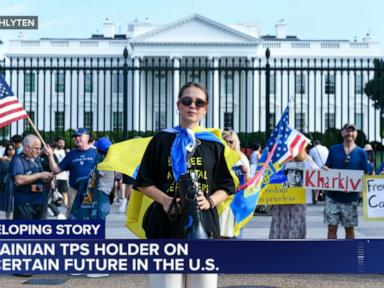
Bureaucratic silence creates real panic when your right to live and work in the United States hangs on a signature that never arrives. If you've been watching the Department of Homeland Security handle Temporary Protected Status lately, you already know the profound frustration felt by over 100,000 Ukrainian nationals whose protections just hit their designated expiration date without a final ruling from federal officials.
The Real Cost of Administrative Delay
When a crucial immigration program reaches its finish line and the government simply goes quiet, nobody wins. The Department of Homeland Security announced that Ukrainian and Sudanese individuals currently enrolled in Temporary Protected Status maintain their safety from deportation and their work rights for the time being, pending an official announcement. But that verbal reassurance doesn't automatically print out a new Employment Authorization Document or fix the immediate panic faced by employers trying to clear Form I-9 reverifications.
Let's look at what's actually happening on the ground. Tens of thousands of people who rebuilt their lives after fleeing full-scale conflict find themselves trapped between statutory rules and outdated paperwork. Official agency portals still displayed the old deadline, leaving workers, families, and human resources departments scrambling to figure out what legal proof they can actually show. When federal guidance consists of casual statements to media outlets rather than formal Federal Register notices, ordinary people pay the price in lost stability and workplace confusion.
Understanding the Temporary Protected Status Machine
Congress created Temporary Protected Status back in 1990 to offer a safety net for immigrants whose home nations face armed conflict, environmental disasters, or severe crises. For Ukrainians, this lifeline opened up in the spring of 2022 following the Russian invasion. By March 2025, enrollments had swelled past 100,000 beneficiaries.
Under standard operating procedures, the agency is supposed to review designation statuses well before they lapse. When officials miss deadlines or stay silent, statutory rules kick in, technically providing automatic extensions or requiring specific windows for winding down programs. Yet, practical implementation lags far behind statutory theory. If you are a worker whose employment card says one date while news reports say another, telling your boss to read a news article doesn't satisfy federal verification audits.
What You Should Do Right Now If You're Affected
If you or someone in your household relies on this status, waiting passively for Washington to make up its mind is a terrible strategy.
- Monitor official agency updates daily rather than relying on social media rumors or generalized news blurbs.
- Consult with a Department of Justice-accredited representative or a qualified immigration attorney to map out alternative legal pathways, such as pending asylum or adjustment applications.
- Keep meticulous records of all communications, prior notices, and application receipts to protect your employment standing if questions arise at your job.
Uncertainty is designed to wear you down, but staying informed and proactive remains your best defense against administrative gridlock. Stop waiting for perfect clarity from a slow-moving system and take control of your documentation today.