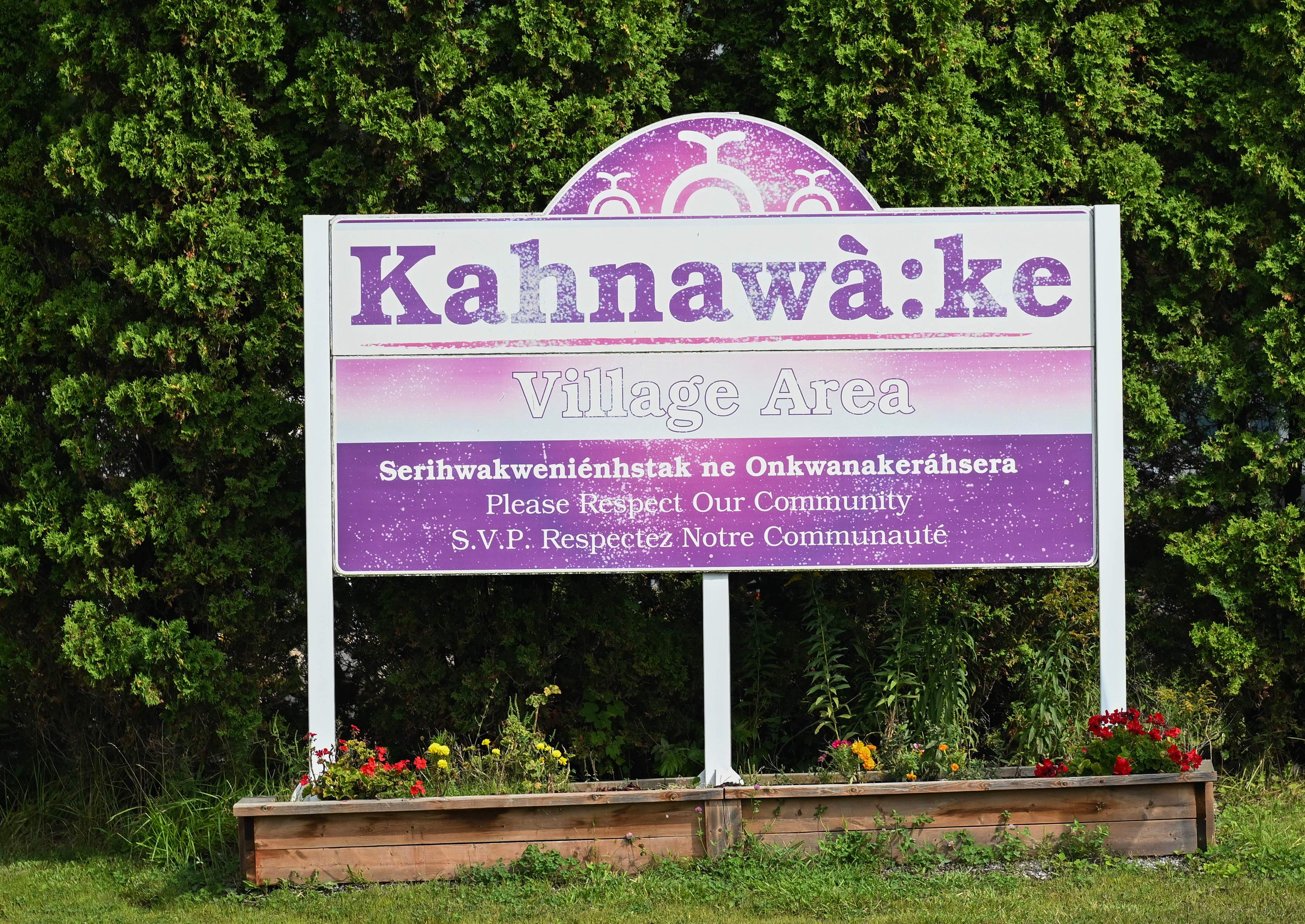
Air quality warnings near schools always hit hard. When preliminary data reveals elevated lead levels in the air right next to a high school in Kahnawake, parents and community leaders have every right to demand answers immediately.
The Mohawk Council of Kahnawake recently released findings showing lead levels in the eastern portion of the territory—sitting less than a kilometer from the Kahnawake Survival School—spiked when the wind blew from the west. These numbers sat roughly 1.5 times higher than the provincial standard of 100 nanograms per cubic metre. When the wind shifted east, which happens most of the time, the readings dropped. Still, a yellow flag has been raised, and ignoring it isn't an option.
Understanding the Real Threat of Airborne Lead
Lead exposure is insidious because you can't smell it or see it. When airborne lead particles float into residential zones or schoolyards, they settle. Public health experts point out that there's no safe threshold for lead consumption or inhalation.
Younger people face the highest risk. Children and teenagers have developing neurological systems. High exposure over time can lead to cognitive issues, memory struggles, learning hurdles, and mood disorders. Even though these early tests give a brief snapshot rather than a full year-round average, experts agree you shouldn't wait for chronic damage to show up before taking action.
The Industrial Pressure Cooker on the Border
Kahnawake sits on the South Shore of Montreal, surrounded on nearly every side by industrial activity. Waste management facilities, heavy traffic corridors, and commercial plants line the borders of the Mohawk territory.
Grand Chief Cody Diabo has long criticized how environmental approvals are handled. Right now, provincial regulators evaluate individual industrial projects in isolation. They check if a single facility meets emissions limits on paper. What they fail to calculate is the cumulative impact of all neighboring plants operating simultaneously. When you cram waste sites, recycling plants, and major roads together right next to an Indigenous community, the combined footprint changes everything.
Concerns intensified locally after reports surfaced regarding a nearby waste management facility, Terrapure, facing scrutiny over industrial wastewater. While provincial environment ministries maintain that companies like Terrapure respect current emission boundaries, local residents feel the oversight fails to protect their daily health.
What Happens Next for the Community
Right now, the panic button isn't being slammed down, but the investigation is ramping up. The local board of education is checking school air filtration systems to ensure indoor environments remain completely secure, and soil tests on school grounds have come back clear.
Environment Canada is stepping in for deeper, long-term testing. A three-hour sample tells a story, but year-round tracking tells the truth.
If you live near industrial zones or want to understand your own local air safety, waiting for government red tape to move isn't enough. Check your regional environmental reporting tools, push local representatives for cumulative impact assessments, and demand transparent air-quality monitoring data near schools. Protect your community before the next wind blows.