No, mainland Chinese brands aren't ditching Hong Kong just because they're opening eye-catching shops in New York and Los Angeles.
A wave of mainland Chinese brands is pushing hard into American gateway cities right now, and it's easy to see why headlines jump to dramatic conclusions. Sluggish spending back home has forced founders to look outside mainland borders. Mainland retail sales growth slowed to just 0.4% year-on-year in October 2026, while Western chains like Ikea and Guess scaled back or exited parts of the mainland market earlier in the year. When domestic competition turns into a margin-crushing brawl, going global isn't a vanity project. It's survival. For another view, check out: this related article.
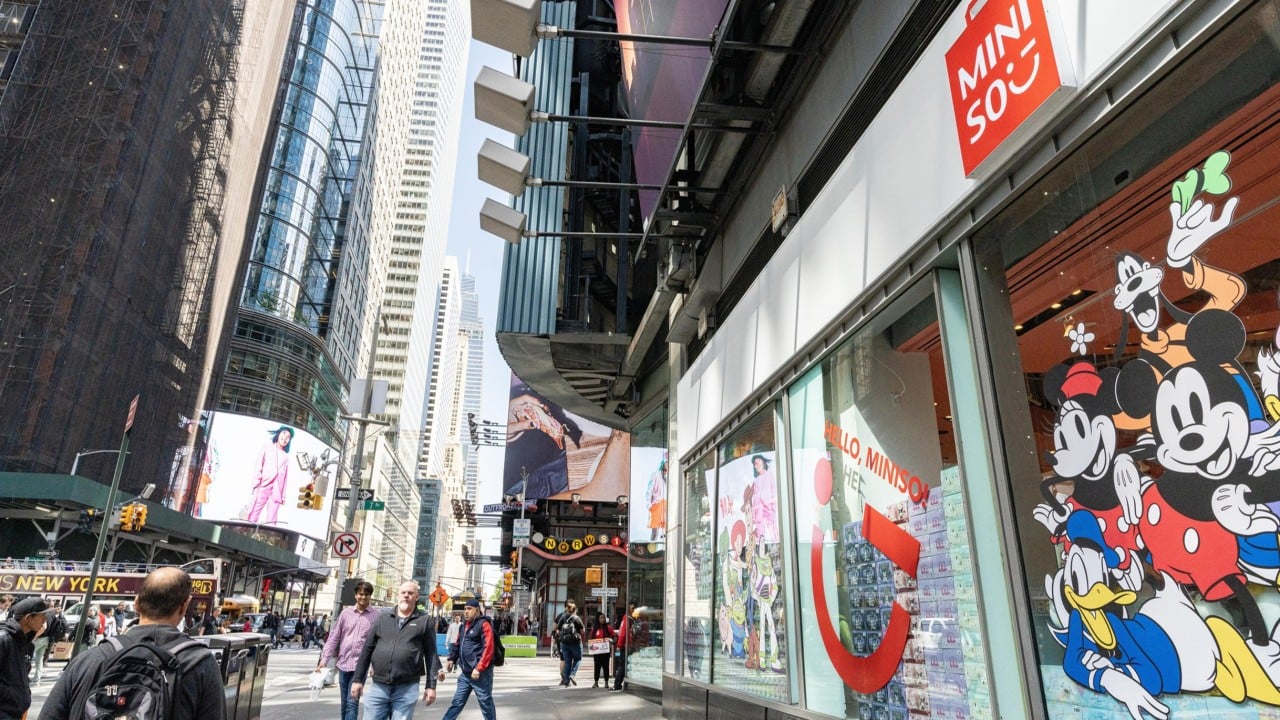
Yet watching Top Toy open in Times Square, Haidilao build out stores coast-to-coast, or Pop Mart and Miniso expand their North American footprints doesn't mean Hong Kong is suddenly obsolete. Quite the opposite. In retail strategy, the US acts as a high-stakes prestige and scale stage. Hong Kong still works as the practical operating base and testing ground right next door to the factory floor.
http://googleusercontent.com/lmdx_content/FYPqEdOYKjTMzspdEohggGKpxNMBrjwBNnPwOaKOAoXAEbUxxdYkxBagTprGhQLdcyLyGpkFDYhEWlZmrcdRbBvSqKsyYyIAZOUeDnLTNCWJKKknunfNvNPgeGKSLOTHnGdPOeWpfWFlIdvoOVrIRwKrfR1006597 Related coverage on this matter has been published by Financial Times.
Why Mainland Chinese Brands Are Piling Into US Gateway Cities
Walk through Manhattan or check commercial real estate briefings from Cushman & Wakefield, and the shift is obvious. Mainland consumer companies are stepping up their US expansion, aiming first at dense, high-footfall cities where global trendsetters and tourists already gather.
Three pressures are pushing them across the Pacific:
- Thin domestic margins: Price wars inside mainland China have squeezed profitability across food, apparel, and lifestyle categories. Higher ticket prices in US dollars look tempting when local growth is stuck near a crawl.
- Brand halo over quick profit: A flagship store in New York or Los Angeles isn't always judged on day-one store profit. Often it's there to prove the label belongs on a global stage, helping the company negotiate with international licensing partners, landlords, and investors.
- IP and retail formats built for impulse: Designer toys, pop-culture collectibles, and experiential dining travel well when executed sharply. Brands like Miniso, Pop Mart, Top Toy, and Haidilao know how to turn shelves and dining tables into social media moments.
That said, let's be honest about what's hype versus reality. A Times Square storefront gets instant clicks, yet the US isn't an easy walk for mainland operators. Retail vacancies in the US have hovered around 6% with steady rent growth, while labor rules, health inspections, tipping norms, and tariff shifts keep every store opening on a tight leash. Tariff truces can buy breathing room—such as the extension keeping parts of the tariff truce in place into early 2027—but nobody in a boardroom treats US trade rules as settled.
Hong Kong Isn't Being Ditched, It's Being Repositioned
From the outside, it looks like a defection when a brand skips or follows up Hong Kong with a splashy US launch. Look closer at the numbers and the city's role looks much sturdier.
According to data from the Hong Kong Trade Development Council, over 80% of surveyed mainland enterprises choose Hong Kong's supporting services when expanding overseas, and InvestHK figures cited in 2026 market guides show mainland firms accounted for roughly 53% of the companies helped to set up or expand in the city in 2025. Even where mainland brands' share of new Hong Kong retail arrivals ticked slightly from 38% in 2025 to 36% in the first nine months of 2026, a small dip in share doesn't equal an exit.
Hong Kong doesn't compete with New York on sheer consumer market size. It beats New York on speed, proximity to Pearl River Delta supply chains, and cross-border financial plumbing.
In practice, founders who've actually opened stores across borders treat the two markets as different tools in the same kit. Hong Kong lets a mainland team test pricing, product mix, and store operations only a short trip from Shenzhen or Guangzhou. It also serves as a hub for regional headquarters, offshore corporate structuring, and international banking.
Where Mainland Brands Still Trip Up in Hong Kong
Proximity tricks people into thinking Hong Kong is "just like home." It isn't. I've seen ambitious mainland operators stumble in Hong Kong because they treated it like a tier-one mainland city with foreign currency.
High rents and tight labor markets punish high-volume, ultra-low-price models that worked fine on the mainland. If your unit economics depend on dirt-cheap rent and razor-thin markups, Hong Kong will expose that math fast. Language and media habits trip teams up too. Local shoppers read Traditional Chinese and speak Cantonese, outdoor transit media has its own approval lead times, and mainland social apps don't carry the same weight locally.
Why Going Straight to America Is Riskier Than It Looks
If you're a founder or retail executive eyeing the US right now, jumping straight into American cities has real appeal—bigger spenders, deeper cultural reach, and massive media visibility. Still, skipping regional stepping stones creates traps that spreadsheets often gloss over.
First, brand recognition in the US starts close to zero for most mainland consumer names. Even if your brand is huge back home, American shoppers won't walk in on name alone. You have to earn trust, explain what you are, and compete against entrenched local habits.
Second, operational friction hits harder thousands of miles from your core team. Menu tweaks, packaging compliance, local staffing, and supply-chain lead times all stretch out. As research from HKTDC and HSBC highlights, managing cross-border funds, currency swings, and supply chains takes real financial and legal setup—not just a flashy grand opening.
Third, Southeast Asia and other Belt and Road markets often pull more near-term expansion energy than North America. Many mainland firms treat the US as a selective, high-profile bet rather than their sole or easiest growth engine.
What Smart Operators Do Instead
Instead of treating Hong Kong and the US as an either-or choice, sharper operators split the job:
- Stress-test unit economics before chasing flagship prestige. Prove your store can handle higher rent and wages before signing a trophy lease in a gateway city.
- Use Hong Kong for cross-border coordination and regional trial runs. Keep treasury, legal structuring, and nearby operational testing tight while building out wider international playbooks.
- Localize for real habits, not surface-level translation. Whether you're adapting flavors and service expectations in the US or localizing language and media in Hong Kong, copy the local reality rather than forcing mainland habits onto new customers.
Start by auditing where your current margins actually hold up at realistic overseas rents and wages, map out your cross-border banking and compliance setup early, and pick your first store location based on repeatable unit economics rather than headline clout.