Kuala Lumpur is making a high-stakes gamble. Prime Minister Anwar Ibrahim is hosting Myanmar President Min Aung Hlaing for formal bilateral talks, shattering years of diplomatic cold-shouldering across Southeast Asia. On paper, the agenda centers on undocumented migrants and a phased repatriation plan involving thousands of detainees. In reality, this move forces a brutal question on regional diplomacy: is complete isolation a moral victory or a useless strategy?
For years, the Association of Southeast Asian Nations tried to handle Myanmar’s post-coup crisis through a polite fiction of exclusion. It hasn't worked. While ASEAN locked the generals out of high-level summits, the civil war ground on, and countries like Malaysia continued to shoulder the crushing weight of irregular migration. Malaysia hosts nearly 200,000 refugees registered with the UN Refugee Agency, alongside tens of thousands of undocumented nationals. Anwar’s administration decided that endless moral posturing won't empty detention centers or solve local security concerns.
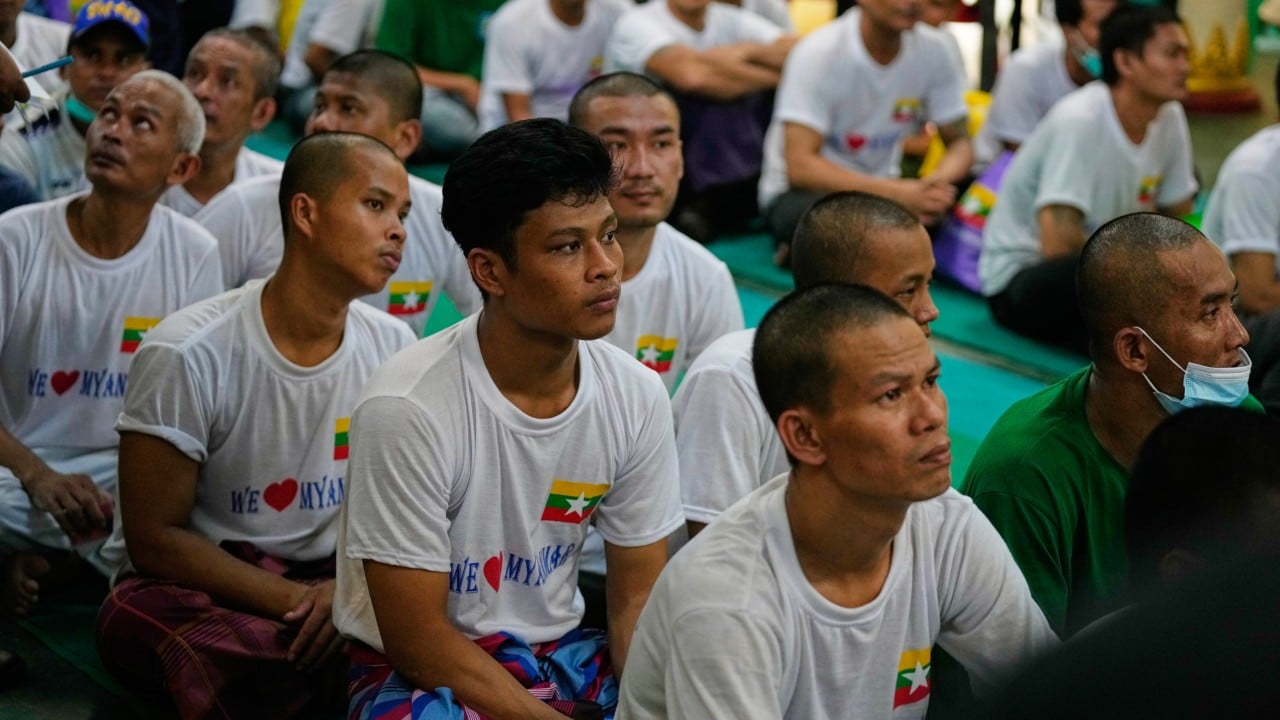
This transactional approach marks a sharp shift. Malaysia recently began returning batches of detainees, utilizing transport like a Myanmar Navy vessel to ship groups back home. Human rights advocates and the UN Refugee Agency are sounding alarms. They point to active conflict zones, forced military conscription, and the glaring absence of safety guarantees for returnees. Critics argue that hosting Min Aung Hlaing and cutting deals with a junta grants unearned political legitimacy.
Yet the calculation in Putrajaya is brutally practical. Isolation gives you clean hands, but it leaves you with zero leverage. By opening a direct line of communication, Anwar is trying to extract tangible concessions on refugee management. He wants a mechanism to return citizens who don't have a permanent legal home in Malaysia, while testing whether conditional engagement can force Naypyitaw to take responsibility for its own diaspora.
The strategy carries massive risks. For one, the central government in Naypyitaw does not hold complete territorial control over critical regions like Rakhine State, where many displaced populations originate. A diplomatic promise to receive returnees means very little if local armed factions control the ground where they are supposed to land. If repatriated individuals face immediate persecution or forced conscription, Malaysia’s humanitarian reputation takes a heavy blow.
At the same time, domestic pressure inside Malaysia cannot be ignored. Anti-migrant sentiment has surged, putting immense strain on public services and fueling local political friction. Anwar has to show voters that his government can manage borders effectively without surrendering basic human decency.
Diplomacy often requires sitting down with unsavory actors to clean up messy realities. Malaysia's bet is that talking to the junta beats screaming at an empty chair. Whether that gamble produces stability or merely whitewashes a civil war depends entirely on what the generals are forced to give in return.