Waking up at 5 a.m. just to apply false eyelashes before hauling heavy hotpot trays sounds absurd. Yet that is the exact reality that sparked a massive backlash against Niu New Sukiyaki, a Japanese-style hotpot buffet chain founded in Shanghai that recently became one of the toughest tables to book in China.
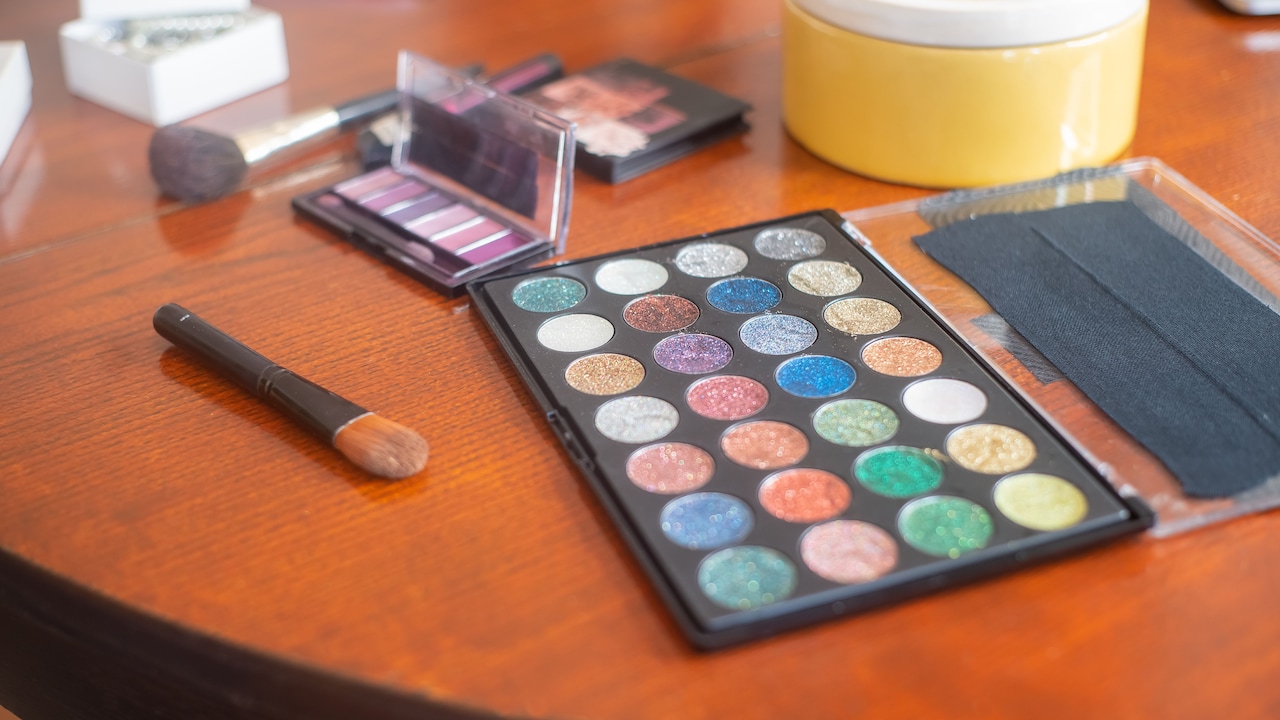
When a customer posted online defending the servers, the story snowballed fast. Diners saw staff hustling through packed dining rooms while expected to maintain visible makeup, including lipstick, eyeshadow, eyeliner, and false eyelashes. Even worse, reports from Chinese outlet Vista Hydrogen Business indicated that while some branches targeted front-of-house servers, others extended the rule to female cleaners and kitchen workers. Male employees, by contrast, only needed to keep their appearance neat and tidy.
The chain offers full-time staff a monthly makeup allowance of 100 yuan, roughly US$15. Honestly, handing out 100 yuan a month doesn't come close to covering unpaid morning prep time, skin irritation in hot kitchens, or the cost of daily cosmetics. And when a part-time applicant claimed she was turned down over hairspray and makeup skills, the pushback turned into a broader debate about workplace fairness in hospitality.
How Mandatory Makeup Rules Play Out in the Dining Room
On paper, restaurant owners often pitch strict grooming standards as a way to project polish, energy, and brand consistency. Customers queuing up for eight hours at a viral solo-dining hotpot spot—where individual meals average around 150 yuan, or roughly US$22—already expect an eye-catching experience. Niu New Sukiyaki tapped into China's booming solo economy, estimated around 125 million people living alone according to census data cited in regional coverage, by rolling out introvert-friendly solo booths alongside its hotpot buffet. Queue numbers at peak hype have reportedly been resold for up to 300 yuan.
That kind of demand makes managers greedy for tight control over every detail. Still, forcing false eyelashes and full eye makeup onto line cooks, dishwashers, and cleaners misses the point of hospitality. Nobody eating hotpot in a solo booth is judging the mop or the wok station by how dramatic a cleaner's eyeliner looks.
In real service environments, strict appearance rules also create friction that diners actually notice. A server rushing between steaming pots with tight eyes, smudged lipstick, or heavy hairspray isn't necessarily feeling confident or cared for. Often, workers end up resenting a rule that adds unpaid labor before their shift even starts. As one commenter put it in coverage by the South China Morning Post, women bear an extra time cost putting makeup on and taking it off for the exact same shift hours.
Why This Keeps Happening Across Hospitality
If you think this is a one-off mistake by a single hotpot brand, you haven't been paying attention to the service sector. Appearance policing pops up repeatedly in retail, airlines, hotels, and restaurants because owners confuse visual uniformity with service quality.
Earlier in 2026, buffet chain Big Pizza drew criticism after reports emerged that female staff faced pay cuts if they didn't wear bright lipstick. Hotpot giant Haidilao also faced public pushback back in 2021 over strict full-makeup expectations before dropping the requirement. Time and again, chains chase a glossy image until customers and workers push back hard enough to force a rethink.
There's also a deep mismatch between what executives imagine and what front-line shifts actually feel like. Sitting in a corporate office, a grooming checklist looks neat and tidy. Standing over boiling broth for eight hours, sweating through a rush, and answering customer requests is physical, exhausting work. Adding extra beauty steps on top of tired legs and rushed mornings makes a tough job harder without paying for the extra time.
The Hidden Cost of Gendered Grooming Standards
When grooming rules apply one way to women and another to men, the double standard sticks out immediately. Requiring male staff simply to look clean and tidy while demanding visible cosmetics and styling from women places a lopsided burden on female workers.
Even when a company attaches a small stipend like 100 yuan a month, money doesn't erase the time tax. Getting up earlier, buying products, fixing makeup mid-shift, and washing everything off at night all eat into rest and personal time. For part-time workers or lower-paid roles like cleaning and kitchen prep, the trade-off feels especially steep.
Recruitment suffers too. Turning away or discouraging applicants over makeup skills shrinks your hiring pool in an industry that already struggles with turnover. A great server who can read a room, clear plates fast, and keep a calm head during a dinner rush brings far more value than someone who nails winged eyeliner.
What Hospitality Leaders Get Wrong About Brand Image
Many operators assume diners want a stylized, almost theatrical cast of employees. Sometimes novelty works—hotpot chains in China have long experimented with lively service gimmicks and themed dining spaces to stand out.
Yet diners have grown sharper about how workers are treated. When a viral restaurant becomes famous for long lines and solo booths, any hint of unfair treatment undercuts the goodwill that built the brand. People love supporting a lively spot until they feel like they're watching tired staff jump through hoops just to keep their pay or avoid a reprimand.
Comfort and genuine warmth beat rigid cosmetics every single time. A relaxed, well-rested employee who isn't fighting uncomfortable makeup or rushing through an unpaid beauty routine is much more likely to smile naturally and handle mistakes gracefully.
What Restaurant Owners and Workers Can Do Next
If you run a restaurant or manage a hospitality team, stop treating appearance rules as a substitute for good pay, clear training, and humane scheduling. Keep dress codes focused on safety, hygiene, and basic neatness that applies fairly across roles. If a front-of-house role genuinely calls for a specific uniform or styling standard, make it optional or build realistic paid prep time and fair compensation into the job—don't slap a cosmetic quota onto kitchen and cleaning crews.
If you're working in hospitality and dealing with lopsided dress or makeup mandates, start by documenting the written policy, any stipends, and how rules are enforced across different roles. Check local labor rules and wage laws in your area to see whether mandatory grooming costs or unpaid prep time cross legal lines, and talk with coworkers so you aren't guessing what's standard.
And if you're a diner who cares about how service workers are treated, pay attention to more than the menu and the wait time. Leave honest feedback when you spot heavy-handed rules, back businesses that treat staff fairly, and remember that the best hospitality usually comes from people who are respected on the clock.