Eight thousand direct jobs and another 17,000 indirect ones. That sounds like a massive windfall for a province still trying to lock down big clean-tech manufacturing.
On November 23, 2026, the Southern Chiefs' Organization (SCO) and German solar engineering firm RCT Solutions signed a memorandum of understanding to explore a solar panel and glass manufacturing facility in Manitoba. Under the preliminary pact, the SCO—which represents 33 southern Manitoba First Nations—could take up to 51 per cent ownership, pending final negotiations. That same day, Black River First Nation Chief Sheldon Kent announced plans to move ahead with harvesting silica sand on First Nation land with Sio Silica, even without a provincial licence.
Here's the catch. Big job projections and preliminary MOUs don't build factories by themselves. Between pending environmental permits, water protection worries in southeastern Manitoba, and a strict need for public and provincial backing, this Manitoba solar panel project has plenty of moving parts that could still trip it up.
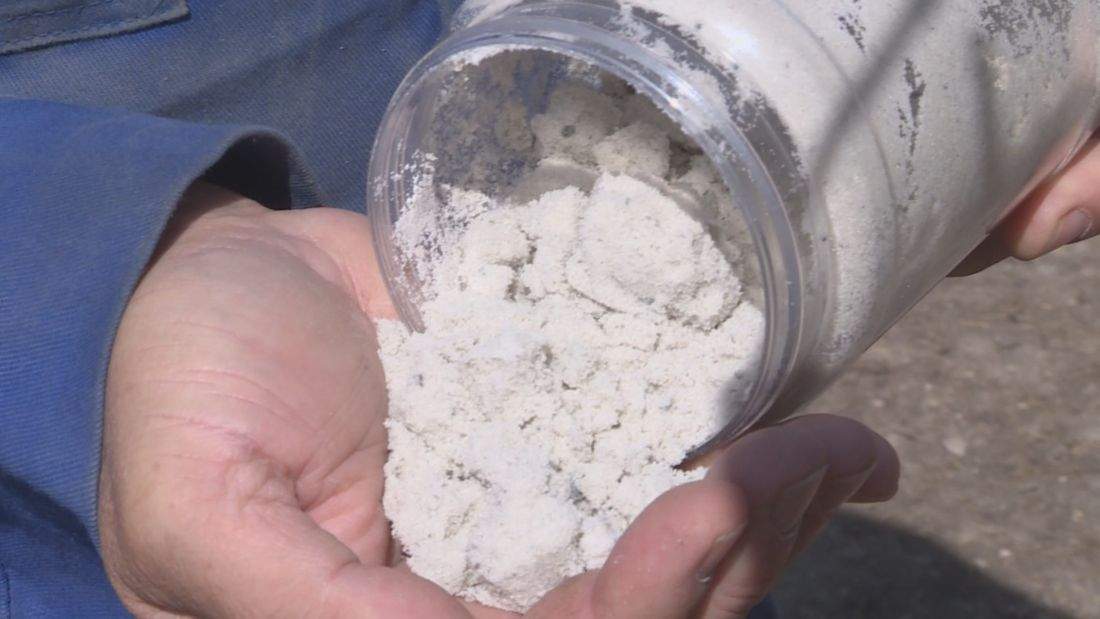
Look at what's happening on the factory floor in that photo. Turning raw quartz sand into solar glass, wafers, cells, and finished panels requires heavy capital, tight quality control, and reliable supply chains. RCT Solutions founder and CEO Peter Fath has pointed out that southeastern Manitoba sits on high-purity silica—reported at up to 99.85 per cent pure—which lines up with what solar manufacturing needs. In theory, pairing local sand with a solar campus near Winnipeg cuts out long-haul shipping and keeps value inside the province.
In practice, though, industrial mega-projects rarely move in a straight line. When you look at how energy and resource deals get built on the ground, early announcements are just the starting gun. Real projects live or die on permitting timelines, grid and utility tie-ins, financing, and local consent.
How the Manitoba Solar Panel Project Actually Connects Sand to Panels
Most coverage treats this announcement like a single switch getting flipped. It isn't. You're really looking at two linked pieces that still depend on separate approvals and negotiations.
First, there's the manufacturing side. The SCO and RCT Solutions have a memorandum of understanding to study and work toward an integrated solar panel and glass plant, with three potential sites near Winnipeg—including one in Centrepoint—already floated. SCO Grand Chief Jerry Daniels has emphasized that majority-scale ownership—up to 51 per cent—would let member nations shape how the facility operates and channel revenue back into communities.
Second, there's the raw material side. High-purity quartz sand is the feedstock needed to make glass and silicon materials for solar gear. Sio Silica has been trying to secure environmental approval to drill for sand in the Rural Municipality of Springfield, near Vivian, about 50 kilometres outside Winnipeg, while Black River First Nation has stated it intends to harvest silica sand on its own land starting as early as 2027.
"To let the project move ahead, we need the people of Manitoba, who are supporting it, who want to have it. I will not run against the wall and get a bloody head."
— Peter Fath, founder of RCT Solutions
That quote says a lot. Fath isn't pretending a signed MOU guarantees concrete on the ground. Without broader support and workable approvals, he made clear he won't force the issue against a brick wall.
Why Sio Silica and Local Sand Mining Remain a Flashpoint
If you've followed resource debates in southern Manitoba, none of the pushback around silica sand is new. Residents, municipal voices, and provincial leaders have raised questions for years about groundwater, aquifers, and environmental oversight.
Premier Wab Kinew has repeatedly stressed that environmental and ethical rules have to come first, and earlier in 2026 he cast doubt on Sio Silica's licensing path while pointing to concerns around southeastern Manitoba's bedrock aquifer system. That tension is sharp right now. On one side, Black River First Nation Chief Sheldon Kent argues his community owns the land, has protected it, and can move forward with sand harvesting with or without a provincial licence. On the other, provincial regulators still control environmental licensing and off-reserve approvals, and critics worry about water impacts.
Honestly, this is where people talk past each other. Supporters see "white gold" sitting under the ground that can fund jobs, trades training, and community programs instead of shipping raw resources out for someone else to profit from. Opponents look at aquifers and local water tables and ask what happens if drilling or extraction goes sideways. Both sides care about their future. They just weigh the risks differently.
And keep in mind that Manitoba isn't the only place looking at domestic silica and solar glass. Back in February 2024, the province announced a separate critical mineral and solar glass initiative tied to Canadian Premium Sand near Hollow Water First Nation and Selkirk, showing how contested and crowded the provincial conversation around silica has been.
What 8,000 Direct and 17,000 Indirect Jobs Really Mean
Big job numbers grab headlines fast. Let's slow down and look at what they actually tell you.
According to the SCO, the solar manufacturing vision is estimated to generate 8,000 direct jobs and 17,000 indirect jobs in Manitoba. Those figures come from project estimates tied to a large-scale manufacturing buildout—not a signed construction contract or a finalized investment decision.
In real industrial projects, there's a big difference between three buckets:
- Projected jobs during full buildout or operation: Estimates model what a full campus and its supply chain could support over time, assuming funding, market demand, and permits all line up.
- Guaranteed jobs today: Right now, there's a preliminary memorandum of understanding. No final investment decision has been made.
- Local community share: For First Nations leaders, the bigger prize isn't just payroll—it's equity and procurement. Up to 51 per cent potential ownership, plus opportunities for First Nations businesses to bid on construction, supply, and operations, is how wealth stays rooted in communities.
I've seen plenty of economic announcements over the years look great on a slide deck and shrink—or stall—once interest rates, site prep, power loads, and environmental reviews hit reality. That doesn't mean the project is fake. It just means you should treat job estimates as a ceiling or target, not money in the bank.
Blind Spots Competitors Often Miss in This Story
A quick news recap stops at the press conference quotes. If you actually want to understand whether this goes anywhere, pay attention to four practical details that rarely get enough air in short news briefs.
1. A Memorandum of Understanding Is a Starting Point, Not a Binding Deal
An MOU sets out shared intentions to negotiate and explore a project. Key terms—like exact financing, how the up-to-51 per cent ownership stake is funded, governance rules, and risk allocation—still have to be hammered out in a final agreement.
2. Jurisdiction and Permitting Collide When Land Status Is Contested
Chief Kent's statement that Black River First Nation will harvest sand on its land even without a provincial licence puts sovereignty, land ownership, and provincial environmental law on a collision course. Even if mining starts on First Nation land, moving materials, securing off-site permits, and getting broader provincial backing can still create friction.
3. Solar Glass and Panel Plants Need More Than Sand
High-purity silica is essential, yet building a competitive solar panel and glass operation also takes reliable electricity, skilled technicians, industrial land, logistics, and buyers for the finished panels. North American and global solar markets are fiercely competitive, so cost and scale matter just as much as raw quartz purity.
4. Local Buy-In Can Make or Break the Timeline
Fath said plainly that without Manitobans' support, site selection around Winnipeg won't matter. When a project touches rural municipalities, water concerns, and Indigenous rights all at once, public trust isn't a PR side-note. It's a schedule variable.
Practical Next Steps to Watch This Project Smartly
Whether you're a Manitoba resident, a job seeker, a local business owner, or someone tracking clean-energy supply chains, don't rely on hype or knee-jerk reactions. Here's how to follow what happens next:
- Track the definitive agreements and site selection: Watch for updates from the Southern Chiefs' Organization and RCT Solutions on whether they move past the MOU toward final ownership terms and pick one of the Winnipeg-area sites.
- Follow provincial licensing and water reviews: Keep an eye on Manitoba government decisions and environmental filings regarding Sio Silica and regional water safeguards in southeastern Manitoba.
- Watch for real capital commitments: Look past job estimates for concrete milestones—final investment decisions, construction permits, utility agreements, and supplier contracts.
- If you run a local or Indigenous business, map capabilities early: Track procurement and partnership channels tied to site work, logistics, trades, and facility support rather than waiting until construction starts.
Big visions start with a signature and a lot of unanswered questions. The next few months will show whether this plan turns into steel, glass, and real paycheques—or gets stuck in negotiations and red tape.