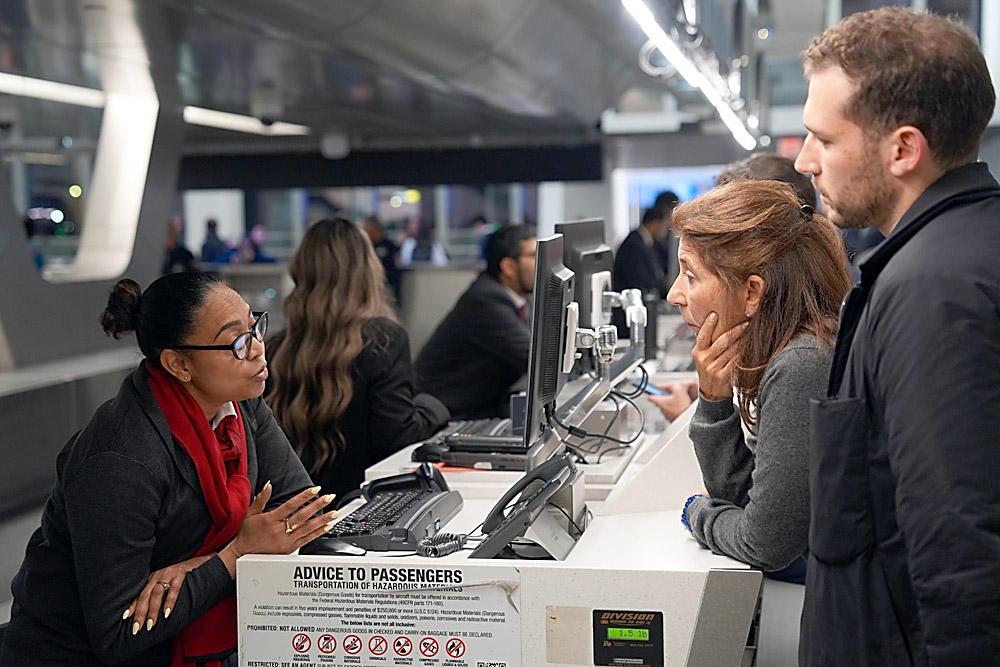
When Outlook and Teams freeze up globally, the modern corporate world doesn't just slow down—it grinds to an absolute halt. Millions of knowledge workers stare at blinking cursor icons, waiting for messages that won't deliver and emails that refuse to sync. Microsoft eventually restores services, but the hours of lost productivity expose a sobering reality. Organizations remain dangerously dependent on a single cloud ecosystem.
You think your infrastructure is resilient until a central server in Dublin or Virginia stumbles. Suddenly, your entire remote workforce is isolated. Internal communication vanishes. Customer support queues swell with unanswered tickets. Executives resort to personal text messages and consumer-grade chat apps just to coordinate basic crisis response. It is messy, chaotic, and entirely preventable. If you found value in this piece, you might want to check out: this related article.
The Anatomy of a Global Cloud Blackout
Cloud infrastructure feels ethereal, but it lives on physical hardware governed by software updates, networking certificates, and DNS routing tables. When a routine configuration update or a subtle backend failure hits Microsoft 365, the shockwaves travel fast. Outlook fails to authenticate. Teams drops active calls and displays connection banners.
Most people assume cloud giants are immune to widespread failures. They aren't. Because millions of businesses rely on shared multitenant architecture, a single coding flaw in identity management or traffic routing can ripple across continents. Microsoft's engineering teams work around the clock to rollback bad patches and reroute network traffic, yet the restoration window feels agonizingly slow when your revenue depends on live collaboration. For another angle on this development, check out the latest update from The Next Web.
You cannot eliminate cloud downtime entirely. Every software vendor ships bugs, and every network experiences anomalies. What you can control is how your organization absorbs the shock when it happens.
Why Single-Vendor Reliance is a Silent Risk
Convenience drives modern IT purchasing decisions. Bundling productivity suites, email hosting, document storage, and enterprise communication into one subscription fee makes financial sense on paper. You pay one invoice. Your employees learn one interface. Admin portals are centralized.
Yet this consolidation creates a single point of failure. When you build your entire operational house on one foundation, you inherit every vulnerability that foundation possesses.
Organizations frequently overlook redundancy because maintaining backup systems costs money and introduces friction. Employees hate switching between tools. IT departments prefer managing a single tenant over supporting fragmented software stacks. Consequently, companies trade long-term resilience for short-term operational ease. When an outage hits, that trade-off comes due with high interest.
The Real Cost of Downtime for Modern Teams
Calculating the financial damage of a major tech blackout involves more than counting hourly wages paid to idle staff. The hidden costs compound quickly.
Client trust erodes when external communications drop mid-negotiation. Project deadlines slip because remote contributors cannot share code reviews or design mockups. Internal friction spikes as teams scramble to figure out who is working on what without access to shared calendars or status updates.
Employees often treat minor slowdowns as an unexpected break, but prolonged outages trigger genuine anxiety. People feel untethered from their workflows. By the time services return, inboxes are flooded with thousands of unread notifications, creating a secondary wave of cognitive overload that ruins the rest of the workday.
Moving Past Reactive Crisis Management
Restoring services is only the final step of a messy recovery cycle. True preparedness requires shifting from reactive scrambling to proactive architecture.
Stop treating cloud availability as a solved problem guaranteed by your service-level agreement. SLAs offer financial credits when things break, but they don't refund your lost hours or repair your damaged client relationships.
Organizations need realistic business continuity plans designed around worst-case scenarios. If Microsoft goes dark for six hours tomorrow morning, do your teams know how to pivot? Do you have secondary communication channels that don't depend on the same underlying authentication providers?
Practical Steps to Build Operational Resilience
Audit your critical workflows immediately. Identify every process that depends entirely on a single software suite.
Establish out-of-band communication protocols. If primary chat applications fail, ensure leadership and department heads have alternative ways to broadcast instructions across the company. This could mean maintaining enterprise accounts on a separate, independent messaging platform specifically reserved for emergency coordination.
Train your staff on graceful degradation. Employees should know what to do locally when cloud synchronization stops. Encourage local file caching, offline document editing habits, and clear escalation paths that bypass digital ticketing systems during total system failures.
Review vendor status dashboards critically. Don't wait for internal complaints to pile up before checking if your cloud provider is experiencing a broader incident. Automated monitoring tools can alert your internal engineering leads minutes before user frustration peaks, allowing you to get ahead of the communication curve.
The next global outage isn't a matter of if, but when. Fix your fallback procedures today while your systems are running smoothly.