You think your insurance company has your back until a disaster strikes and the fine print bites you. A federal appeals court just made that brutally clear for a Dallas couple who found out the hard way that missing a contractual deadline means losing tens of thousands of dollars, no matter how legitimate the damage is.
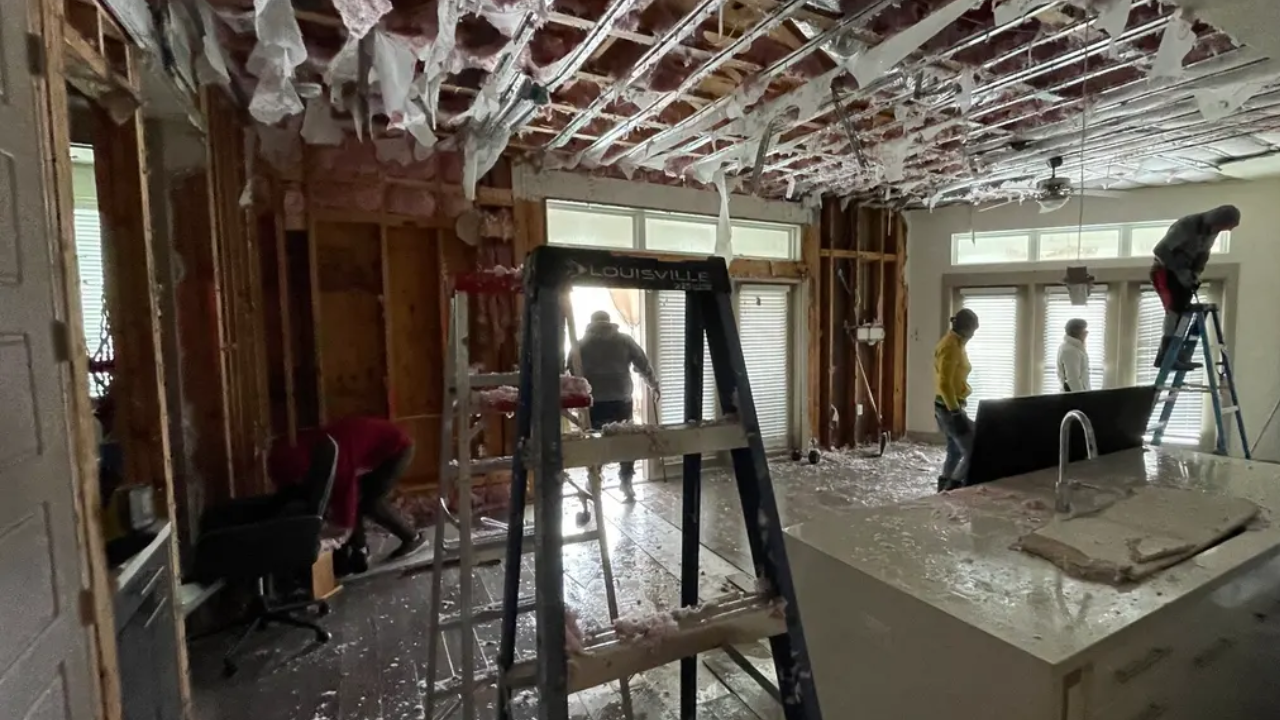
Let's look at what actually happened. Back in February 2021, severe winter weather swept through Texas. A neighboring property suffered a major freeze, causing water pipes to burst and sending a flood straight into a Dallas home's flooring. The homeowners filed a claim with State Farm. In March 2021, the insurer sent a check for $4,261 and told the owners they could submit extra repair receipts as work continued.
Everything seemed standard. But instead of wrapping up repairs and getting reimbursed quickly, the homeowners waited. Years slipped by. By the time they decided to pursue the full $58,150 required to completely fix the property, they ran straight into a brick wall. The United States Court of Appeals for the Fifth Circuit slammed the door shut on their claim, ruling that they had missed the strict two-year statute of limitations embedded within their insurance contract.
The Trap of Ongoing Communication
Most policyholders assume that if an insurance adjuster tells you to "send receipts as you go," the clock on your legal rights pauses. That is a dangerous mistake.
The court made it clear that routine correspondence or open-ended instructions inviting further repair estimates do not extend or restart the contractual filing deadline. Under Texas law—and standard policies across most states—an insurer's initial coverage decision sets the clock ticking. State Farm made its stance crystal clear in March 2021 when it issued the initial payment. From that exact date, the two-year countdown began.
If you don't file a formal lawsuit or settle your dispute within that window, your rights vanish. Insurance companies aren't hiding this; it's printed right there in the policy booklet nobody reads until it's too late.
Why Waiting Destroys Property Claims
Waiting to settle insurance disputes is a gamble you are almost guaranteed to lose. Here is what happens when you drag your feet on property damage claims:
- Evidence degrades: Water damage hides behind walls, mold sets in, and tying new damage to an old storm becomes a guessing game.
- Policies change: Annual policy renewals often alter deductibles, coverage caps, and endorsement terms.
- Statutes expire: Courts strictly enforce deadlines to prevent stale lawsuits, giving zero weight to personal delays or contractor backlogs.
In this specific Dallas case, the situation got even messier because the same property suffered additional flooding during another winter storm in December 2022, when internal pipes burst again. While that triggered a separate claim number, it muddled the timeline further and distracted from the unresolved $58,150 bill from the original 2021 freeze. When you stack multiple incidents without resolving the first one cleanly, you hand the insurance company every excuse they need to deny payout.
How to Protect Your Claim From Day One
If you are dealing with property damage right now, stop treating communication with your insurer like a casual text conversation. Treat it like a legal proceeding from minute one.
Get every single promise in writing. If an adjuster says you can submit supplemental claims later, ask for the exact deadline governing those supplements. Better yet, hire an independent public adjuster or a specialized property damage attorney if your repair estimates soar past ten thousand dollars. Paying a small percentage up front is infinitely cheaper than losing $58,000 because you missed a calendar date by a few months.
Never assume goodwill will override contract law. When insurance companies issue a partial payment and close the loop on their end, your clock starts ticking immediately. Keep your records tight, watch every calendar deadline, and never let an insurer lull you into a false sense of security.