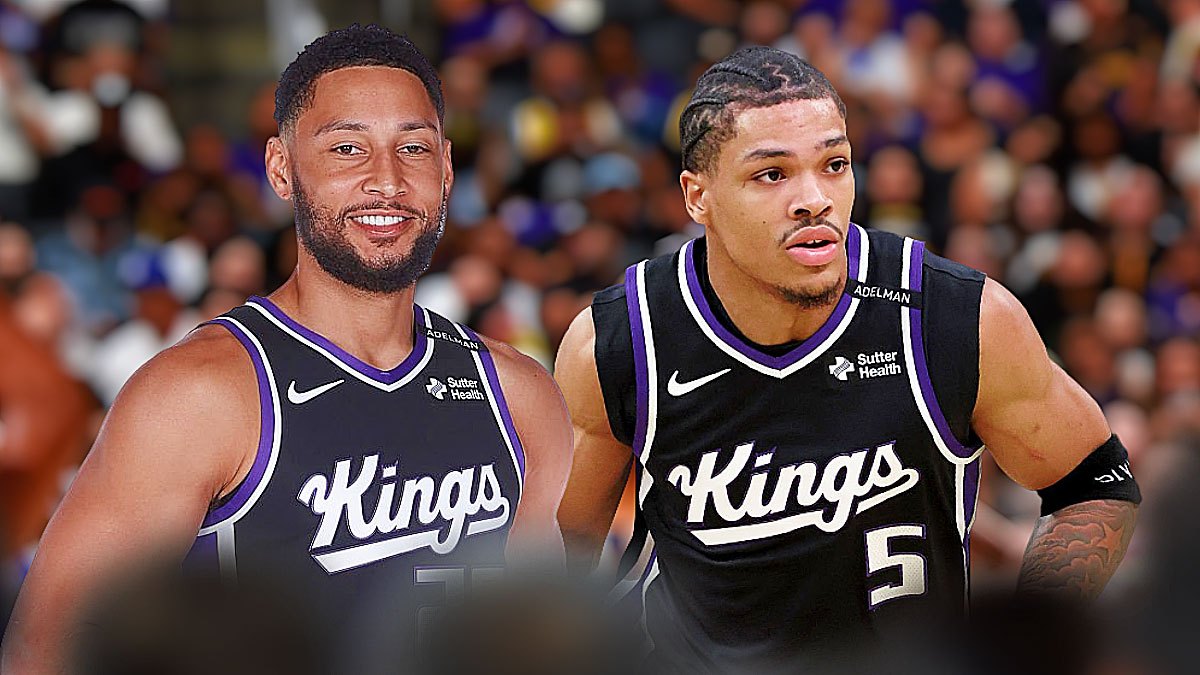
We love our sports narratives packaged neatly, wrapped in predictable arcs of triumph, failure, and redemption. It's a comforting script that reassures us the meritocracy works. Yet, when we look at Ben Simmons, we demand a confession while ignoring the structural dissonance of modern professional sports. We treat a complex convergence of biomechanical breakdown, psychological paralysis, and organizational malpractice as a simple tale of laziness or cowardice. It's an easy story to tell because it requires no nuance, no understanding of how elite athletic identities fracture under public microscopes, and no acknowledgment that franchises often break the very assets they pay millions to acquire. If you think the story of Ben Simmons is merely about a player who lost his jump shot and stopped caring, you've missed the entire plot of modern basketball psychology.
We built an industry that worships versatility, then punishes deviation from the norm with vicious consistency. When he entered the league, scouts praised a towering playmaker who could defend every position on the floor, grab a rebound, and start a fast break with surgical precision. They didn't care that he wouldn't shoot from the perimeter because his sheer dominance in transition and passing vision masked the deficiency. The NBA didn't reject him for lacking a jumper until the playoffs exposed the architecture of a half-court offense in gridlock. That's when the discourse turned toxic, weaponizing every missed free throw and every hesitant drive to the basket as proof of moral failing rather than a severe, acute crisis of confidence compounded by chronic physical ailments.
The Anatomy Of A Broken Jump Shot And A Shattered Mind
You can't talk about Ben Simmons without confronting the physical reality that preceded the psychological collapse. Back injuries in professional athletes don't just cause pain; they alter kinetic chains, sap explosive first steps, and destroy the subtle muscle memory required to shoot a basketball under immense pressure. When a herniated disc starts pressing on nerves, your body forgets how to move naturally, and your brain hesitates before every explosive motion. Fans and analysts watched him pass up an open layup against the Atlanta Hawks in the playoffs and screamed about fear, entirely ignoring that a compromised lower back robs a player of the vertical elevation needed to finish through contact. We diagnosed a neurological and structural failure as a mental block because it fit the narrative better.
Of course, the mental aspect can't be separated from the physical, but even there, we misread the symptoms. Anxiety and depression aren't character flaws; they're physiological responses to hostile environments. When twenty thousand people boo you in your own arena, and your own coach and star teammate publicly question your readiness in post-game press conferences, the nervous system enters a state of permanent fight-or-flight. You don't get better by simply shooting a thousand jumpers a day until the trauma magically lifts. The organization handled his medical disclosures with a mixture of skepticism and PR management, creating an adversarial relationship where the player felt forced to prove his pain to a fanbase that viewed him as an asset rather than a human being.
The tragedy of this career isn't that a talented player stopped trying. It's that the modern sports ecosystem lacks the vocabulary or the patience to handle a player whose game doesn't fit standard boxes once injuries strip away his athletic margin for error. Without elite quickness, a non-shooting playmaker becomes an offensive hazard in a league obsessed with floor spacing. Yet instead of adapting the scheme or managing the rehabilitation transparently, the machine chewed him up, spat him out, and blamed him for the taste. We treat athletes like video game characters whose ratings fluctuate based on effort, forgetting that beneath the jerseys are fragile human frames subject to the same psychological gravity as the rest of us.
What Happens When The Multimillion Dollar Machine Turns On Its Own
To understand why this saga resonates far beyond Philadelphia or Brooklyn, you have to look at the transactional nature of fandom and franchise management. Fans invest emotional equity and financial resources into a team, and in return, they expect total compliance and vulnerability from the players. When a player asserts bodily autonomy or mental health boundaries, it's perceived as a breach of contract that goes deeper than basketball. It feels personal. The discourse surrounding Ben Simmons became a proxy war over labor rights versus consumer entitlement in the modern sports landscape. We wanted him to stand at the podium, cry mea culpa, and shoot jumpers until our collective thirst for public penance was quenched.
Instead, we got silence, legal battles, and a protracted standoff that revealed the ugly underbelly of guaranteed contracts and leverage in professional leagues. Franchises sign players to max deals hoping they'll age gracefully, but panic the moment the investment turns sour, attempting to void guarantees or force players onto the floor before they're physically or mentally healed. The media acts as an amplifier for front office leaks, painting recalcitrant stars as entitled divas while ignoring the systemic failures that led to the breakdown in trust. It's a dance of mutual exploitation where nobody wins, but everyone gets to point a finger at the easiest target on the floor.
We act surprised when players push back against this machinery, demanding trades or sitting out to protect their long-term health and financial interests. The unspoken agreement used to be that you took the abuse as long as the checks cleared, but a new generation of athletes has started to question the terms of that bargain. They're realizing that the fans cheering for them today will boo their injuries tomorrow. This dynamic creates a defensive shell, which outsiders misinterpret as arrogance. In reality, it's a trauma response to an environment that demands perfection while offering zero safety net when things fall apart.
The Legacy We Write In Real-Time
History rarely judges complex collapses with the nuance they deserve while they're happening. Years from now, when the salary cap has doubled and the specifics of these contract disputes fade into basketball trivia, people will look back at the box scores and wonder how a three-time All-Star and Rookie of the Year flamed out so spectacularly. They'll look at the shooting percentages and the missed games, shaking their heads at the waste of raw physical gifts. They'll miss the lesson entirely because the official record is written by the victors and the loudest voices in the room, not by the quiet truths of physical rehabilitation and psychological burnout.
We crave simple morals to our sports stories because life outside the arena is messy enough. We want the villain to wear a black hat and the hero to hit the game-winning shot against all odds. But Ben Simmons refuses to fit into that comforting mold, continuing to confound our expectations by simply existing in a state of suspended animation, neither fully redeemed nor completely discarded. He remains a monument to our collective impatience, a living reminder that athletic brilliance is fleeting and that the systems we build to cultivate it are remarkably efficient at destroying the people inside them.
The next time a star player hits a wall, passes up a shot, or sits out a season due to mysterious ailments, remember the lesson of this saga. Don't rush to fill the silence with easy accusations of weakness or betrayal. Recognize that behind every multi-million dollar contract is a human body failing under impossible loads and a mind trying to protect itself from a world that demands everything and forgives nothing. We don't need another hot take on what's wrong with modern athletes; we need the courage to admit what's broken in the way we watch them play.