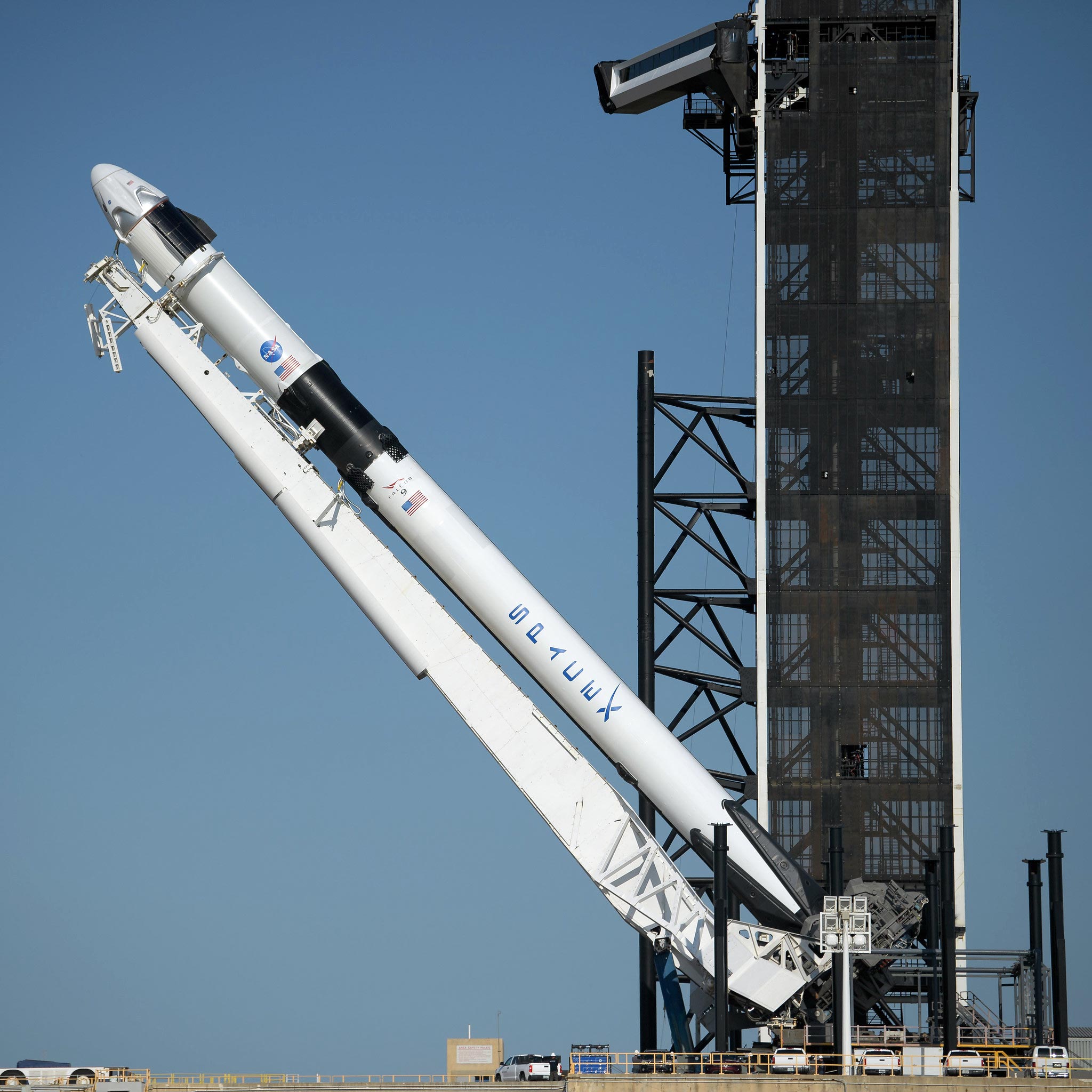
NASA just wrote another massive check to Elon Musk's rocket company, and honestly, nobody should be surprised. The space agency locked down a $946 million contract extension with SpaceX for three more astronaut missions to the International Space Station.
If you are keeping score, this pushes SpaceX's total operational flights under the Commercial Crew Transportation Capability contract to 17. It also brings the cumulative value of the deal to a staggering $5.92 billion. These new flights extend operational commitments through 2030, securing a reliable American taxi service to low-Earth orbit right up until the space station's expected retirement.
What This $946 Million Actually Buys
People look at a billion-dollar headline and assume it is just for a quick ride to space. It is not.
The scope of this contract modification covers extensive end-to-end mission support. We are talking about ground preparation for astronauts and hardware, launch execution, in-orbit management, capsule recovery, and cargo transport.
Crucially, it also pays for lifeboat capability. When a Crew Dragon capsule docks at the station, it stays parked there as an emergency escape vehicle for the crew. That constant presence requires strict engineering maintenance, safety checkouts, and readiness protocols that run around the clock.
NASA's upcoming schedule highlights how heavily the agency depends on these flights. The Crew-13 launch is slated for October, with Crew-14 lining up for next spring.
The Starliner Problem That Forced NASA's Hand
NASA originally wanted a clean two-provider strategy. Back in 2014, the agency doled out billions to both SpaceX and Boeing to build separate commercial spacecraft. The goal was simple: avoid relying on a single company or buying seats on Russian Soyuz rockets.
That strategy has taken a beating.
While SpaceX has been flying operational rotations smoothly since November 2020, Boeing’s Starliner program has stumbled through continuous delays. During a troubled 2024 crewed test flight, Starliner ran into technical snags that forced NASA to send the capsule back empty. The astronauts assigned to that test ended up hitching a ride home on a SpaceX vehicle months later.
Boeing expects to run an uncrewed flight test in the coming months, targeting crewed missions for the third quarter of 2027. Until then, SpaceX remains the undisputed backbone of American human spaceflight. NASA had no realistic alternative but to double down on Dragon.
Looking Past the Space Station Era
There is an interesting twist brewing beneath the surface of this announcement. Even as SpaceX secures missions through the end of the decade, the company is quietly preparing to wind down its workhorse Dragon program.
Dragon first carried humans into orbit just six years ago. Yet, SpaceX wants to shift its focus entirely toward Starship, the massive next-generation rocket currently under development. Starship is meant to handle everything from lunar landings to Mars transport, making the smaller capsule architecture a stepping stone rather than a permanent fixture.
For now, though, Falcon 9 and Crew Dragon pay the bills. Following its major initial public offering in June, SpaceX balances high-profile commercial ventures with massive government backing from NASA and the Department of Defense.
If you want to track how commercial space is evolving, watch how NASA manages the transition between aging orbital infrastructure and private commercial stations later this decade. The monopoly on reliability belongs to SpaceX, and this latest contract proves it will stay that way for years.