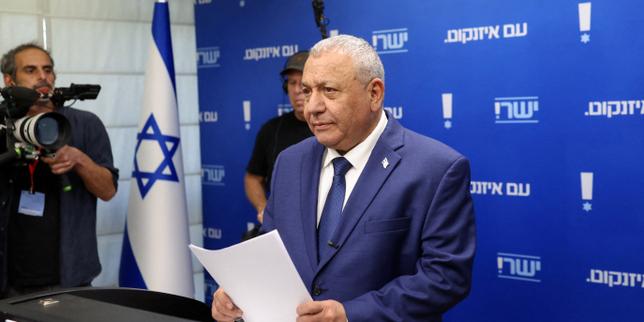
Benjamin Netanyahu just told his rival Gadi Eisenkot he can go first as Israel's prime minister in a rotating unity government, and honestly, it reads less like a peace offering and more like a stall tactic. Following Saturday night's back-and-forth, Netanyahu's Likud party confirmed the two leaders will sit down Sunday morning at 10 a.m. at the Dan Accadia Hotel in Herzliya for coalition talks.
If you're wondering why Netanyahu would suddenly hand the top job first to the head of the Yashar party after weeks of political deadlock, look closely at the clock. Eisenkot holds the mandate to form a government after last month's Knesset elections, and his initial deadline lands on December 6. With neither camp easily crossing the 61-seat majority line in the 120-seat parliament on its own, every hour of Sunday's meeting matters.
What Happens When Netanyahu and Eisenkot Meet Sunday
Sunday's 10 a.m. session in Herzliya isn't starting from a clean slate. Eisenkot spent Saturday accusing Likud of dragging its feet on coalition talks for nearly three weeks without answering a detailed proposal. Then Netanyahu posted a public offer saying he would set everything aside and let Eisenkot serve first as prime minister while Netanyahu took the alternate prime minister slot at the start of the term.
Eisenkot didn't take the bait blindly. He said he'd test the seriousness of Likud's intentions over the next 24 hours, while insisting he intends to announce a new government by December 6 without asking President Isaac Herzog for a 14-day extension.
In Israeli coalition politics, a rotating prime minister deal sounds neat on paper. In practice, rotation agreements have a long history of friction, fine print, and political leverage games. Watch three things when the talks start in Herzliya:
- Timing and hidden conditions: Israeli outlets including Yedioth Ahronoth and Haaretz reported that Netanyahu wants to stay in office first for a period—reportedly up to three or four months—over security concerns and a potential confrontation with Iran before handing over the reins.
- Coalition math: Eisenkot's bloc holds 48 seats in the 120-seat Knesset, with Yashar already lining up deals alongside the Democrats and Israel Beiteinu that bring a combined 36 lawmakers into play. Arab parties hold 19 seats, and pulling in other partners changes the entire shape of the government.
- Deadline pressure: If talks stretch past December 6 and Eisenkot still can't swear in a majority, the mandate shifts back toward Netanyahu or raises the risk of another round of elections—something neither side wants.
Why Rivals Are Calling Netanyahu's Offer a Stunt
You don't have to squint hard to see why opposition figures are skeptical. When a politician who spent years fighting to hold onto power suddenly offers to step aside first, experienced observers ask what he gets in return.
Democrats chair Yair Golan dismissed the move as stunts and tricks, arguing Netanyahu lost the election and calling for a government of change instead. Former Prime Minister Ehud Barak went even further on social media, mocking the idea of Netanyahu going second in a rotation after a few months and comparing it to Netanyahu's late-stage maneuvering 28 years ago right before a political defeat.
I've watched coalition negotiations stall in parliamentary systems before, and the classic mistake outside readers make is treating a headline concession as a done deal. A public offer can shift pressure in the press and sway nervous partners overnight without binding anyone to a signed coalition contract. Reports from Israeli media also point to pressure from Naftali Bennett's camp pushing Netanyahu to make an offer before Sunday, even as Lapid called the proposal a con.
At the same time, it would be lazy to claim Netanyahu has zero leverage. Some voices within United Torah Judaism—such as MK Meir Porush—have signaled openness to a unity path rather than being left out over military conscription disputes, while Finance Minister Bezalel Smotrich called the rotation proposal genuine. That split inside the broader Knesset map is exactly what Netanyahu is trying to probe.
The Real Fault Lines Inside Eisenkot's Bloc
Even if Netanyahu is playing for time, Eisenkot has his own headache to manage before Sunday morning. His anti-Netanyahu camp isn't a single disciplined party; it's a patchwork stretching from left-leaning factions to right-wing allies like Israel Beiteinu.
One major fault line runs straight through how to reach a majority. Relying on outside support or partnership from Arab-majority parties—which made major gains in the election—creates pushback from some of Eisenkot's allies. Meanwhile, Ra'am leader Mansour Abbas noted that Ra'am and the Joint List backed a bill this week to establish a commission of inquiry into the October 7, 2023 security failures that referred to Hamas as a terror group.
Another friction point is ultra-Orthodox military conscription and yeshiva exemptions. Haredi leaders like Moshe Gafni and Meir Porush have made clear that regulating the status of yeshiva students is central to their calculations, whether they talk to Likud or to Eisenkot's camp.
Let's be real: building a stable coalition out of ideological rivals is hard enough without a ticking clock. If Eisenkot tries to bring Likud in for a unity deal, he risks alienating voters and partners who backed him specifically to replace Netanyahu. If he goes it alone without Likud, every single seat and policy compromise has to hold together on the Knesset floor.
What This Means for Voters and Watchers Next
For anyone following Israeli politics from abroad or at home, Sunday's meeting at the Dan Accadia Hotel is a reality check rather than the final chapter. Watch whether the two teams actually trade written terms or simply talk past each other for the cameras.
If you want to track this smartly over the next few days without getting whiplash from every leak, take these concrete steps:
- Watch the December 6 calendar mark: Track whether Eisenkot sticks to his vow to form a government by December 6 or asks President Herzog for a 14-day extension.
- Check the rotation timeline details: Look past the headline "Eisenkot first" line to see if Likud demands months in office upfront or strict legal guardrails on when the handover happens.
- Follow Knesset bloc announcements, not just speeches: Pay attention to signed coalition agreements and committee votes—like the October 7 inquiry bill or conscription talks—which show who is actually willing to govern together.
- Compare multiple Israeli outlets: Read coverage across The Times of Israel, The Jerusalem Post, Haaretz, and Yedioth Ahronoth alongside international wires like The Guardian and Le Monde to separate spin from verified negotiation moves.