Diplomatic breakthroughs in central Africa usually arrive with heavy skepticism, and for good reason. Too many signed papers have vanished into thin air while eastern DR Congo kept bleeding. But recent negotiations in Switzerland produced something different: a concrete roadmap with actual timelines and sequenced steps.
Representatives from the Congolese government and the M23-led rebel alliance sat down behind closed doors from August 17 to 21. They didn't just shake hands for the cameras. They hammered out a structured path to move forward under the existing Doha Framework Agreement.
Is this the final end to a brutal conflict? Honestly, probably not yet. But it is a massive shift from endless gridlock.
What the Agreement Actually Changes
For years, peace initiatives in the region suffered from a glaring flaw. They lacked a clear sequence of events. Ceasefires were announced, violated, and forgotten within days because no one agreed on how to track infractions.
This new roadmap fixes a few specific moving parts:
- Sequenced Timelines: Both delegations outlined step-by-step phases for future talks, moving away from vague promises.
- Standardized Reporting: They adopted a uniform method for reporting ceasefire violations, which cuts down on daily propaganda disputes.
- Dispute Mechanisms: A dedicated framework was established to solve implementation hurdles before they blow up entire truces.
International brokers like Qatar, the United States, Togo, the African Union Commission, and Switzerland managed to keep both sides at the negotiating table. Shifting these talks to Switzerland earlier in the year provided a neutral environment away from regional pressures.
The Reality on the Ground in Kivu
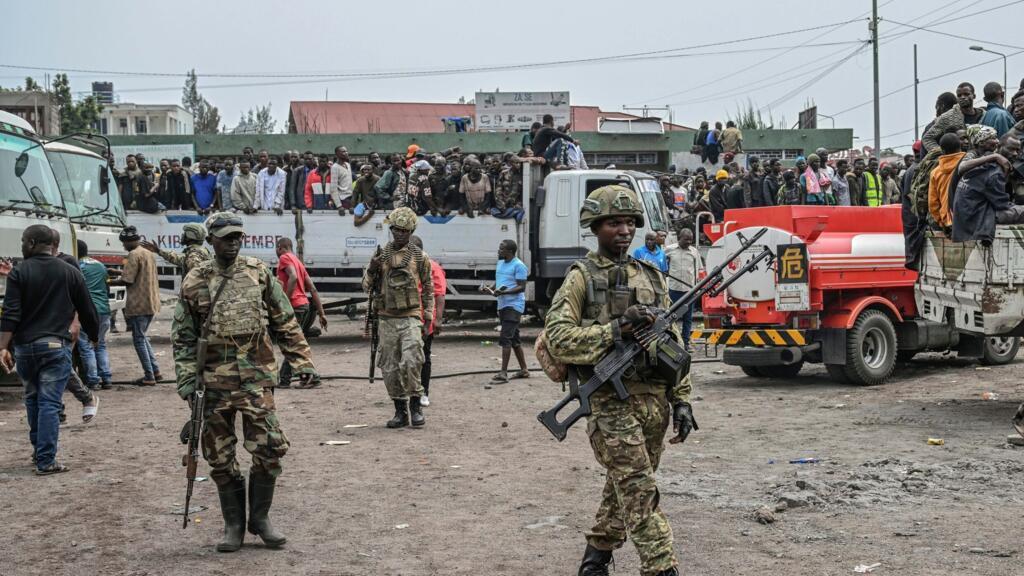
While diplomats drank coffee in Europe, the situation in North Kivu and South Kivu remained violent. Millions remain displaced, and the humanitarian toll continues to climb.
Trust is entirely broken. Just as the joint statement dropped, M23 spokespersons accused government coalition forces of launching drone strikes in populated axes. Kinshasa maintains its own accusations regarding external backing of the rebel group from neighboring Rwanda—a point Kigali routinely denies.
These parallel realities show why text on paper struggles to survive contact with reality. Armed factions operate with local momentum, and military commanders on the ground often ignore political breakthroughs happening thousands of miles away.
Why This Attempt Differs From Past Failures
Previous efforts often collapsed because they tried to solve everything at once. Demilitarization, political integration, and resource control were lumped into single, impossible packages.
This roadmap builds directly on the architecture established during Doha talks. It acknowledges that a comprehensive peace plan requires micro-steps. MONUSCO, the UN peacekeeping mission, is expected to back a ceasefire monitoring mechanism, adding a layer of external accountability that was missing in previous bilateral deals.
You shouldn't expect the fighting to stop tomorrow. Too many armed groups are active in the region, and political incentives for total victory still tempt hardliners on both sides.
Watch how the ceasefire reporting mechanism handles its first real crisis. That will tell you whether this roadmap is built to last or destined to join the graveyard of forgotten African peace accords.