Buying land should mean you can build on it. Turns out, local zoning boards and angry neighbors can throw a massive wrench into those plans.
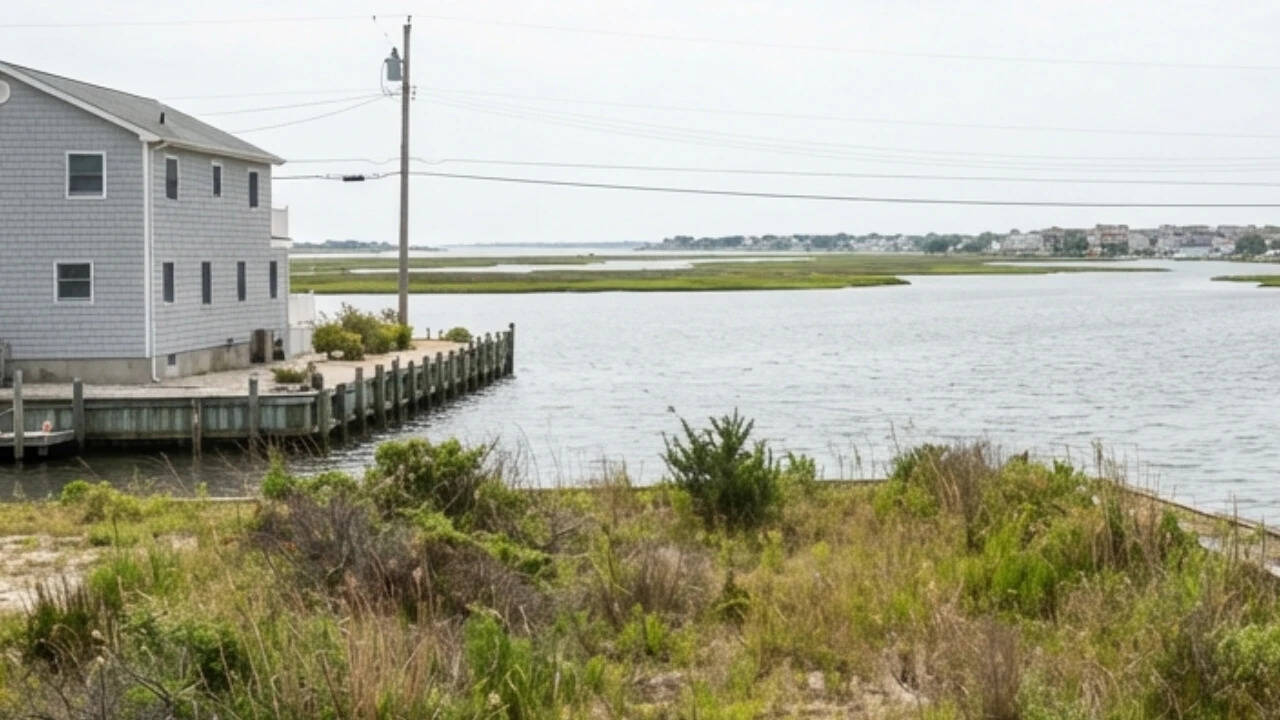
Barbara Collins bought a vacant bayfront plot on St. Lawrence Boulevard in Brick Township back in 2023. Her goal was simple. She wanted her son, Robert Eubanks, to build a home there. Instead of a straightforward construction process, they hit a brick wall of neighbor opposition and a narrow 4-3 zoning board rejection. Now, the family has taken the fight to the Ocean County Superior Court. Discover more on a similar topic: this related article.
If you're wondering how a private property owner can get blocked from building on land they legally purchased, the battle boils down to square footage, setbacks, and local politics.
The Numbers That Triggered a Neighborhood War
The property sits in Brick Township's R-5 residential zone. Building a home here is totally allowed on paper. The catch is the exact dimensions of the land. Additional analysis by Reuters highlights comparable perspectives on this issue.
The plot measures 4,901 square feet. That is just shy of the township's 5,000-square-foot minimum requirement. On top of that, the mean depth sits at 26.8 feet instead of the requested 75 feet. The proposed three-story, 1,511-square-foot house would also sit 10.1 feet from the property line rather than the standard 20 feet.
Because of these discrepancies, the family needed variances—official exceptions to the zoning rules. Eubanks filed the application back in September. Four grueling hearings later, the Brick Township Zoning Board of Adjustment voted 4-3 against them.
The board agreed the plot had unique limitations. But members split on whether building the house served the public interest. Ultimately, they decided the lot was just too small.
When Neighbors Fight Back
You can't talk about local zoning fights without looking at the neighborhood pushback. Nearby residents didn't just show up to complain; they hired their own experts to tear the family's proposal apart during the hearings.
Collins and Eubanks tried to find workarounds before things got litigious. They reached out to neighboring property owners with offers to buy adjoining land or portions of lots to hit that magic 5,000-square-foot mark. One neighbor turned them down in writing. The other didn't even reply. Collins even offered to sell her own property at fair value if anyone wanted to buy it out of her hair. No dice.
The family also secured a coastal development permit from the New Jersey Department of Environmental Protection. Yet, the local board still slammed the door shut.
Taking It to Court
The lawsuit filed on November 3 targets the board on two fronts.
First, it challenges the rejection directly. The family argues the board completely ignored testimony from their licensed professionals, including engineer and planner Charles Lindstrom and architect Michael Melillo. They claim the board favored opposing experts and let public comments override hard evidence.
Second, the lawsuit claims inverse condemnation. This legal angle argues that when a government body blocks all reasonable use of privately owned land, it amounts to a de facto seizure of property without compensation. They want the court to overturn the board's decision, force the approval, and cover their legal fees.
Zoning boards have broad discretion, but overstepping expert evidence rarely goes unnoticed. This case highlights the brutal reality of building on tight coastal lots where every square inch becomes a legal battlefield.