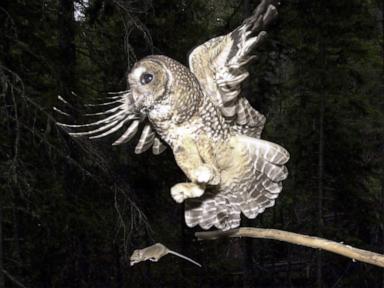
If you log a forest or build a dam and accidentally kill an endangered animal, federal law used to hold you accountable. Not anymore. A sweeping new directive from the Trump administration fundamentally alters how the historic Endangered Species Act is enforced, ruling that accidental or indirect wildlife deaths are no longer illegal unless the animal was specifically targeted.
For decades, the U.S. Fish and Wildlife Service interpreted the act's ban on a "take"—the term for pursuing, hunting, or killing a protected species—to cover foreseeable casualties caused by commercial activity. A developer building a project knowing it would crush salmon, or a timber company logging trees with roosting bats, faced strict federal liability. That decades-old enforcement model is gone. Under a September memorandum signed by Fishand Wildlife Service Director Brian Nesvik, incidental harm is off the hook.
What Actually Changed Under the New Rule
The shift rests on a very narrow, controversial legal interpretation. The administration leans heavily on a dissenting opinion written decades ago by the late Supreme Court Justice Antonin Scalia. The core argument is simple: felling a tree or striking a whale with a ship isn't a "take" unless the action itself was deliberately directed at killing or capturing that specific animal.
To put it plainly, if your bulldozer clears an endangered species' habitat and crushes wildlife in the process, it's legal as long as your primary goal was clearing land, not slaughtering animals. Conservation groups are calling it a free-for-all for polluters and developers. Industry lobbyists and Republican lawmakers view it quite differently, arguing it returns the landmark law to its intended statutory boundaries and eliminates overreaching federal regulations.
The Real Impact on Vulnerable Wildlife
Look past the legal jargon and you see the immediate practical danger. Most endangered species don't face extinction because poachers hunt them down for sport. They die because their homes disappear or human commerce crosses their path.
Take the North Atlantic right whale. With only around 380 individuals left alive, their primary killers are commercial fishing gear entanglements and ship strikes. Under the previous interpretation, shipping companies and fisheries had to carefully navigate these threats or face severe penalties and permitting requirements. Now, an accidental ship strike on a whale isn't a federal violation because the vessel's course wasn't set specifically to hit the animal.
The same logic applies across industries:
- Timber companies can clear-cut old-growth forests in the Pacific Northwest without facing penalties for destroying critical habitats or killing roosting endangered birds.
- Real estate developers can build massive infrastructure projects on fragile ecosystems without needing strict incidental take permits.
- Energy companies and commercial fisheries operate with far fewer legal guardrails regarding accidental wildlife casualties.
The Legal Battle Ahead
This shift didn't happen in a vacuum. It follows a summer rule change that stripped away the regulatory definition of "harm" under the Endangered Species Act, removing broad protections against habitat destruction. Administration officials claim they are simply aligning with recent high court rulings that restrict federal agencies from stretching environmental laws past what Congress explicitly wrote.
Conservation organizations and several state attorneys general are already preparing lawsuits to block the directive. Legal scholars are deeply divided. Some argue the administration's interpretation ignores decades of legal precedent upholding broad species protections, while industry attorneys maintain that the policy brings necessary clarity and reins in federal overreach.
Litigation will drag on for years through federal courts. In the meantime, the burden of protection shifts heavily. If you track environmental policy or run an enterprise near fragile habitats, you're navigating an entirely new legal reality where incidental damage is treated as collateral rather than a crime.
Expect immediate challenges from environmental coalitions, but don't expect the administration to back down. The battle lines over American wildlife are redrawn, and the consequences for vulnerable species are unfolding right now.