A child in Lewis County, New York, has died from complications related to measles. Read that again. It is the state's first measles-linked death in over thirty years.
We used to treat measles as a solved historical footnote. Parents read about it in old textbooks next to polio and smallpox, assuming it belonged strictly to the past. That comfortable illusion just shattered in rural northern New York.
When public health agencies confirmed the fatality, they also dropped another alarming statistic: New York has recorded 178 measles cases this year alone, with the vast majority hitting communities outside New York City. Across the United States, cases have surged past 4,850, more than doubling last year's totals.
How We Got Here
Measles didn't suddenly mutate into a deadlier monster. The virus behaves exactly as it always has. It remains one of the most contagious pathogens on earth, floating in the air for up to two hours after an infected person leaves a room.
The breakdown isn't biological; it is administrative and social. For herd immunity to hold against measles, vaccination coverage needs to stay at or above 95 percent. In recent years, that safety buffer has eroded. Vaccine exemptions have ticked upward, and routine immunization schedules experienced major disruptions.
When coverage dips below that critical threshold, the virus finds the gaps immediately. Governor Kathy Hochul declared a disaster emergency in response to rising numbers, widening the pool of professionals—including paramedics and midwives—authorized to administer the MMR vaccine just to stem the tide.
Sorting Fact From Fiction About the MMR Vaccine
Let's clear up the noise you see scrolling through social media feeds.
First, the MMR vaccine works. Decades of robust public health data show that two doses are roughly 97 percent effective at preventing measles. If you're relying on natural immunity alone, you are playing Russian roulette with a virus that causes severe complications like pneumonia and brain inflammation (encephalitis) in a significant percentage of unvaccinated patients.
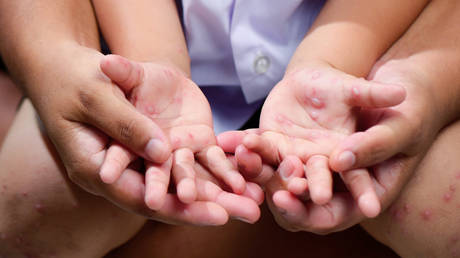
Second, this isn't just a mild rash. People forget that before the vaccine was introduced in 1963, millions of children contracted measles annually, and thousands died from it every year in the U.S. alone. A "mild" case might mean miserable fevers and painful rashes, but a severe case means hospitalization, permanent neurological damage, or worse.
What You Need to Do Right Now
If you have kids, stop assuming their school district's baseline protection is enough.
- Check immunization records immediately: Call your pediatrician and verify whether your children have received both doses of the MMR vaccine.
- Understand adult vulnerability: If you were born between 1957 and 1968, or if you received a killed measles vaccine distributed briefly in the 1960s, your protection might be compromised. Talk to your doctor about getting a titer test or a booster.
- Watch for symptoms: Early signs mimic a bad cold—high fever, cough, runny nose, and red, watery eyes—followed a few days later by the signature rash spreading from the face downward. If you suspect exposure, call ahead before walking into an urgent care clinic or emergency room so staff can isolate you and protect vulnerable patients in the waiting area.
Complacency is the real vector here. The death in Lewis County is a harsh, tragic wake-up call that preventable diseases only stay away if we actively keep them out.