Two countries hold the economic future of Africa in their hands. They also cannot seem to keep their citizens safe from each other.
When Nigeria's foreign ministry confirmed that two of its nationals were killed during anti-migrant protests in South Africa, it wasn't just another tragic headline. It was the latest explosion in a decades-long cycle of xenophobic violence that routinely tests the limits between the continent's two biggest economic powerhouses. Nigeria's parliament has since suspended official visits and boycotted legislative engagements with South Africa, proving that patience in Abuja has worn paper-thin.
If you look past the standard diplomatic handshakes, a much deeper friction reveals itself. You see mounting frustration over scarce jobs, hyper-visible foreign communities, and political scapegoating that always seems to peak when local unemployment numbers tick upward.
The Cost of the Breakdown
Let's talk numbers because they tell a story that polite diplomatic statements try to hide. Nigeria's Ministry of State for Foreign Affairs notes that at least 98 Nigerian citizens have died in mob attacks, hate-related incidents, and extrajudicial encounters in South Africa since 2022. Thousands more have packed their bags. This year alone, nearly 1,700 Nigerians have opted for voluntary evacuation, fleeing threats, looted shops, and targeted intimidation.
South Africa remains a primary destination for ambitious workers across the continent. It boasts advanced infrastructure and a massive economy compared to many of its neighbors. But that very success creates a breeding ground for resentment. Local populist movements frequently blame foreign nationals for soaring crime rates, stagnant wages, and strained public services.
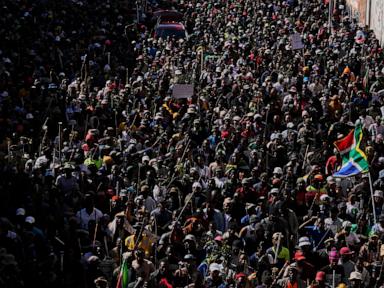
Protesters in South Africa often issue sweeping ultimatums demanding foreign workers clear out. In June, the tension boiled over just days before one such deadline, leaving two Nigerians dead—one allegedly killed by police officers and the other by unidentified attackers.
Diplomatic Standoffs Versus Real Protection
Governments love to talk. In July, South African Foreign Minister Ronald Lamola traveled to Abuja to meet with Nigerian officials in an urgent bid to cool the rhetoric. They talked about regional solidarity, cooperation, and the shared destiny of African nations.
Yet, words don't stop a mob.
Nigeria's legislature finally drew a hard line by banning lawmakers from participating in South African-hosted legislative events. House spokesperson Akin Rotimi called it a strong expression of concern over safety and dignity. It's a calculated diplomatic slap in the face. It tells Pretoria that economic dominance doesn't buy immunity from accountability.
South Africa faces an impossible balancing act. The government has to manage a domestic populace dealing with genuine economic pain, high joblessness, and crumbling public infrastructure, while simultaneously upholding its international obligations to protect foreign nationals and maintain trade ties with Abuja. When populist leaders point fingers at foreigners, the vulnerable pay the ultimate price.
What Happens Next
You can't fix structural economic desperation with police cordons or temporary diplomatic summits. Until South Africa seriously tackles its internal job crisis and cracks down hard on vigilante groups, these flare-ups will keep happening. Nigeria will keep issuing warnings, parliamentarians will keep staging boycotts, and innocent people chasing a better life will remain trapped in the crossfire.
If you are a migrant worker operating across these borders, don't rely on state protections that vanish overnight. Build local community networks, keep your documentation strictly legal, and stay deeply aware of shifting local security climates before investing your capital into brick-and-mortar storefronts that can easily become targets.
Stop pretending these incidents are isolated anomalies. They are systemic failures, and until both capitals face that reality, nothing changes.
Xenophobia Row: Nigeria Says Two Nationals Killed in South Africa
This video provides a concise overview of the escalating diplomatic tensions and the tragic events surrounding the targeted violence against Nigerian nationals in South Africa.