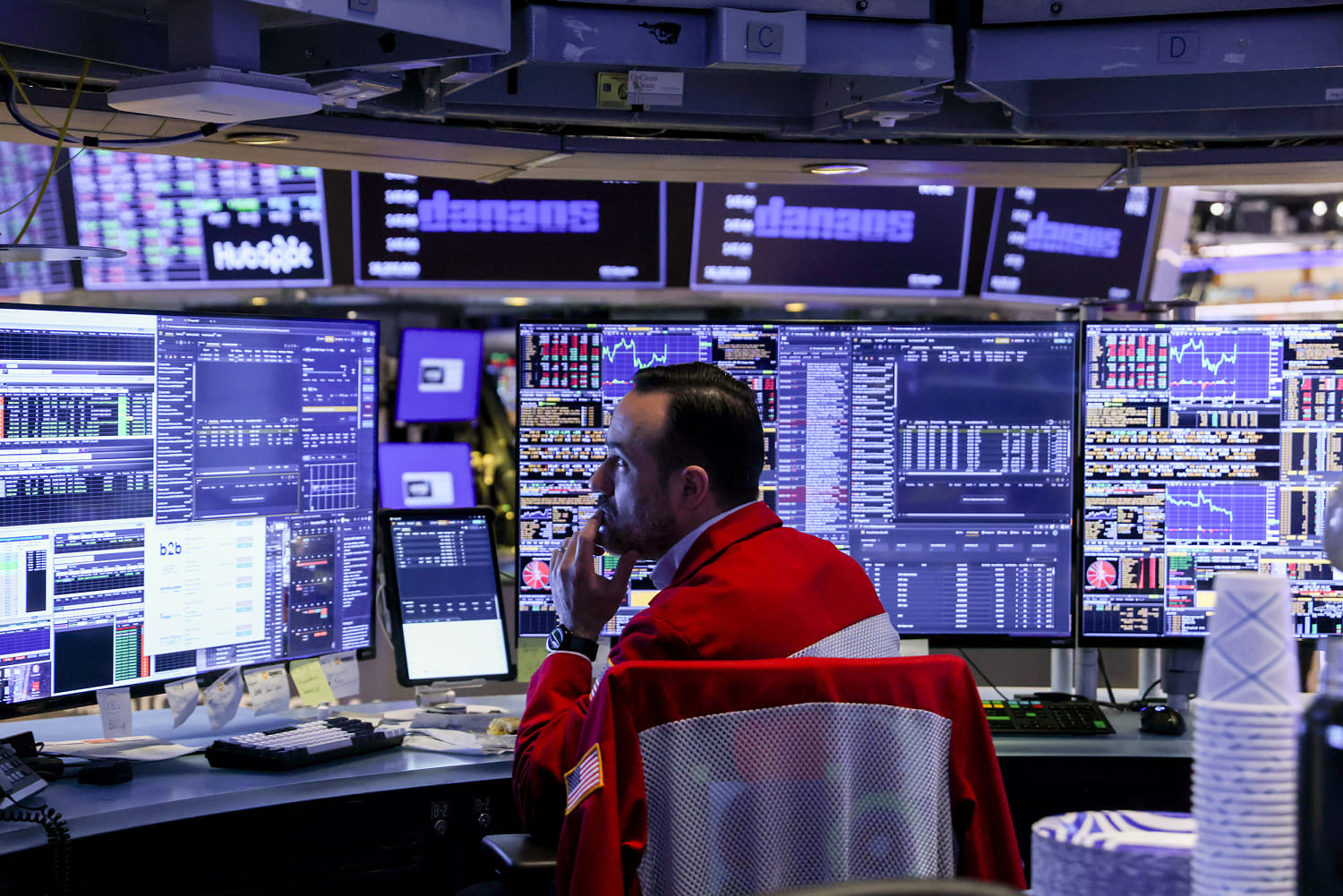
Nvidia reinstates Jensen Huang as its president and CEO on Monday, November 23, 2026, reversing a board stance that had ruled out his return just days earlier. That reversal followed weeks of market whiplash triggered by reports of extramarital affairs, including a relationship with a woman suspected by U.S. officials of ties to Chinese intelligence.
Honestly, the speed of this U-turn says everything about how modern markets price power. One week, the board says no return. The next week, stock surges and the co-founder is back in the corner seat. For another look, consider: this related article.
I've watched founder-led tech companies stumble through governance crises before, and the playbook rarely stays tidy for long. When a leader builds an entire empire around their own instincts and technical vision, replacing them on paper is easy. Replacing them in reality is a completely different fight.
http://googleusercontent.com/lmdx_content/VBAmosduqlfVSewNykMcZUIcpwyfObfYXrmfuvWyFLhkBaWofUmfzaDnpOBPnKZKxwfIbEhSkduopqJVkiygvcVgEWyAjfGVfGAANGVSvfatnMKBHCSPtvDtjQhFplV29270 Related insight on the subject has been shared by Business Insider.
How the Resignation and Comeback Unfolded
The timeline moved fast, and every twist hit both Wall Street and Washington. After revelations surrounding Huang's personal life and alleged ties involving Alice Huang, a Chinese executive at Megaspeed whom media reports linked to intelligence scrutiny, pressure mounted from multiple directions. Huang stepped down from his top roles in mid-November after the scandal broke wide open.
For a brief stretch, interim leadership took over with CFO Colette Kress stepping in as interim CEO while the board weighed next steps. By November 17, board chair Harvey C. Jones signaled that the directors did not intend to bring Huang back.
Then the ground shifted under the board.
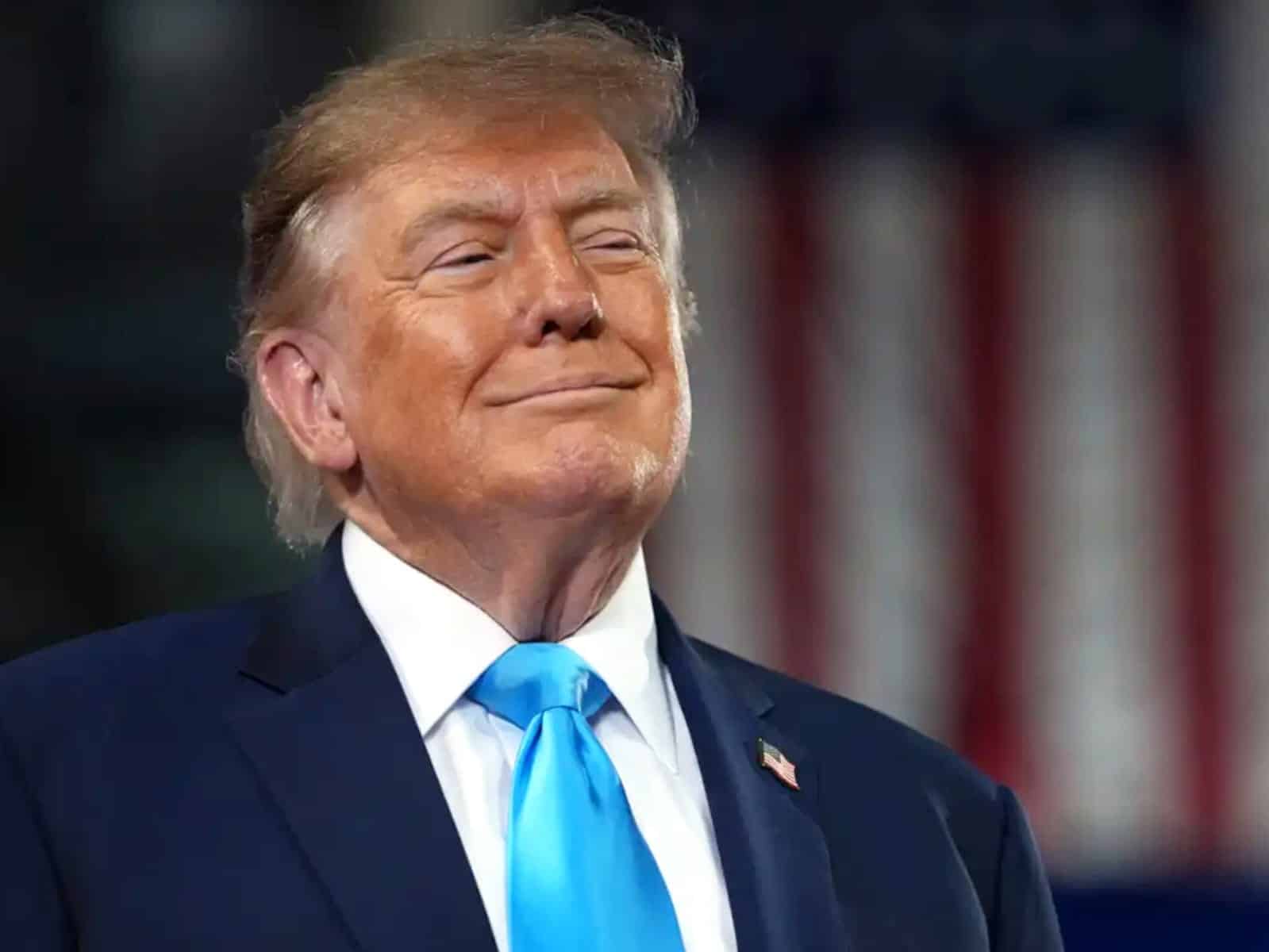
An open petition calling for Huang's reinstatement gathered over 165,000 to 180,000 signatures, drawing high-profile backing including Elon Musk. Investors grew restless. Employees worried about direction and morale. And political pressure entered the frame when President Donald Trump publicly urged the board to rehire Huang and later told CNBC that his intervention mattered to the decision.
On November 23, the board voted to reinstate Huang immediately, stating it had held meetings with him and felt satisfied regarding his candor and ability to lead, while citing senior government input that his return posed no national security risk.
Why Boards Fold When Founder Gravity Is This Strong
On paper, corporate governance looks clean. A board hires a CEO, sets guardrails, investigates compliance issues, and fires or replaces leadership when standards break.
In real life, boards don't govern in a vacuum. They govern inside a pressure cooker of valuation, talent retention, and political leverage.
When you look at Nvidia, Jensen Huang isn't just an executive who showed up late in the game. He co-founded the company and steered it from niche gaming graphics into the backbone of artificial intelligence infrastructure. When a leader holds that much institutional memory and strategic weight, removing them creates an immediate vacuum that no press release can fill.
We saw echoes of this dynamic three years ago when Sam Altman was ousted from OpenAI and quickly brought back after staff and investor backlash. Different company, different trigger, same core truth: boards can pull the trigger, yet still get pulled back by the market if the alternative looks weaker.
When a company's valuation and roadmap are tightly fused to one founder's brain trust, a board doesn't just decide who sits in the CEO chair. It decides how much market value it's willing to risk in the meantime.
Still, I don't think this is a free pass. Reinstatement buys time, not amnesia.
The National Security and Export Control Hangover
Even with Huang back in charge, the bigger headache hasn't vanished. It sits right at the intersection of AI chips, export controls, and U.S.-China relations.
Reports surrounding the affair raised uncomfortable questions about whether foreign intelligence efforts targeted Huang or whether chip exports and compliance practices faced scrutiny. California officials opened inquiries touching on chip exports and investor disclosures, while congressional committees and executive branch officials debated export rules and smuggling risks.
Here's the nuance people miss when they treat this purely as a tabloid soap opera: personal conduct and national security collide fast when you run the world's most coveted AI hardware supplier. Even if senior U.S. officials indicated no evidence of unlawful conduct or a national security bar to his reinstatement, scrutiny around export controls and internal compliance remains intense.
That's why the board paired Huang's return with ongoing committee investigation work and a search for a new chief compliance officer. You can reinstate a visionary founder and still need much tighter guardrails around exports, disclosures, and vetting.
What Investors and Operators Usually Get Wrong
People love simple stories. Either Huang is a sainted genius who should never have been questioned, or he's a liability who should be permanently exiled. Both takes are lazy.
Let's break down the biggest misreadings floating around right now:
- Mistake 1: Assuming a stock bounce erases governance risk. Shares jumping on reinstatement news shows relief over leadership continuity. It doesn't mean regulatory probes, export questions, or reputation damage disappear overnight.
- Mistake 2: Treating founder indispensability as permanent immunity. Founder-led companies outperform when vision stays sharp, yet over-reliance on one individual creates single-point-of-failure risk—both operational and political.
- Mistake 3: Confusing government statements with a clean slate. Political backing or lack of an immediate national security block helps in the moment, but compliance audits, shareholder lawsuits, and regulatory reviews move on their own clocks.
- Mistake 4: Ignoring internal culture after a public storm. When personal scandals and compliance questions collide in public view, employees and partners watch how leadership handles accountability—not just how fast the stock rebounds.
If you're an investor, don't trade headlines blind. If you're an operator or board member, take notes on how fragile trust becomes when personal boundaries and high-stakes geopolitics overlap.
Practical Next Steps If You're Following This Story
Whether you hold Nvidia shares, track AI policy, or run a company facing high-stakes leadership risk, don't sit on vague assumptions. Take concrete steps:
- Check your actual exposure and position sizing. If you own Nvidia directly or through index and tech funds, look at how much of your portfolio rides on single-stock or single-leader sentiment rather than guessing the next headline.
- Read primary filings and official board disclosures. Skip secondhand rumor threads and track official company announcements, committee updates, and regulatory filings from sources like Nvidia newsroom and major wire or financial outlets such as Reuters.
- Watch export-control and compliance milestones. Pay close attention to updates on chief compliance leadership, internal investigation findings, and U.S. chip export enforcement—those move real business fundamentals far more than gossip.
- Audit your own organization's key-person and compliance risks. If you lead a team or advise a board, stress-test what happens if a top leader faces a sudden crisis, and make sure compliance channels actually work before trouble hits.