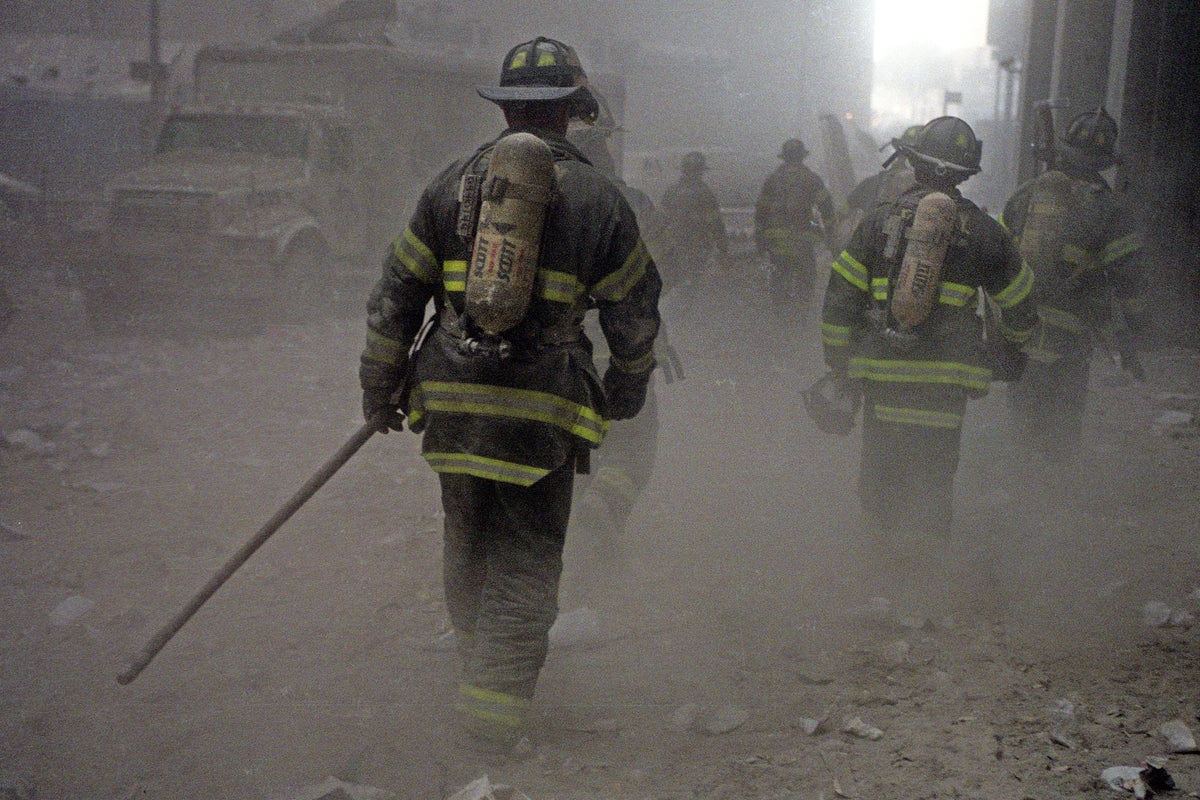
Twenty-five years after the towers fell, the smoke has cleared, but the truth about what happened to the air in Lower Manhattan is finally coming to light. Over 170,000 pages of municipal records—hidden away in 68 boxes for more than two decades—have just been made public by New York City Mayor Zohran Mamdani's administration.
The documents prove what many victims, first responders, and advocates suspected all along. City leaders rushed to reopen the financial district and get commerce moving again, choosing economic survival over public safety while knowing full well that toxic dust and asbestos hung thick in the air.
If you lived through that period, or if you've followed the slow-moving crisis of post-9/11 illnesses, this release isn't entirely shocking. But the sheer scale of the internal memos and contamination logs changes the narrative from suspicion to absolute certainty.
The Race to Reopen Versus the Reality of Asbestos
The collapse of the Twin Towers didn't just destroy buildings. It vaporized tons of concrete, glass, metal, and industrial insulation, sending a massive plume across the city. Asbestos, a known carcinogen, was heavily built into the structure of the World Trade Center. When the towers imploded, those fibers went airborne.
Instead of locking down the zone or urging extreme caution, officials from the Giuliani and later Bloomberg administrations pushed a clear narrative: the air is safe. People were told they could return to their offices, apartments, and schools.
The newly unsealed archive tells a very different story. Internal logs and reports reveal that asbestos was repeatedly detected in dust samples collected blocks away from Ground Zero months after the attack. While public press briefings radiated confidence, internal discussions showed widespread anxiety among bureaucrats and scientists.
The Harding Memo and the Fear of Lawsuits
One of the most revealing pieces in the document dump is an internal assessment often referred to as the Harding memo. Written by senior officials, it laid bare a chilling calculation. The city wasn't just worried about public health; it was terrified of legal liability.
The memo explicitly flagged the risk of massive toxic tort lawsuits in the coming decades. It even suggested that city leadership lobby Congress for special protections or a federal compensation fund to shield the municipal government from the financial fallout of people getting sick from toxic exposure and emotional harm.
They saw the danger coming. They documented the risk. Yet they kept telling residents that everything was fine.
Former EPA head officials and local lawmakers have spent years grappling with these revelations. Congressman Jerry Nadler and other local representatives had warned city and federal authorities about the dangers of the dust cloud in real-time, only to be ignored.
Why This Document Release Matters Now
For a quarter of a century, four different mayoral administrations fought tooth and nail in court to keep these boxes sealed. They cited litigation risks and potential public panic to block freedom of information requests filed by groups like 9/11 Health Watch.
It took persistent legal battles and a shift in leadership for the truth to escape those 68 boxes.
The human toll of that silence is staggering. The World Trade Center Health Program reports that tens of thousands of people have been diagnosed with cancers linked to the disaster, and thousands more have died from illnesses connected to their time in Lower Manhattan. Mesothelioma and lung diseases often take decades to manifest, meaning the health consequences are still unfolding today.
People got sick because they trusted leaders who valued a reopened stock exchange over basic safety warnings. The newly released database provides a searchable, painful look at how institutions manage crises when image and money take priority over human lives.
Check the online portal if you want to dig into the primary sources yourself. The history is raw, ugly, and entirely documented.