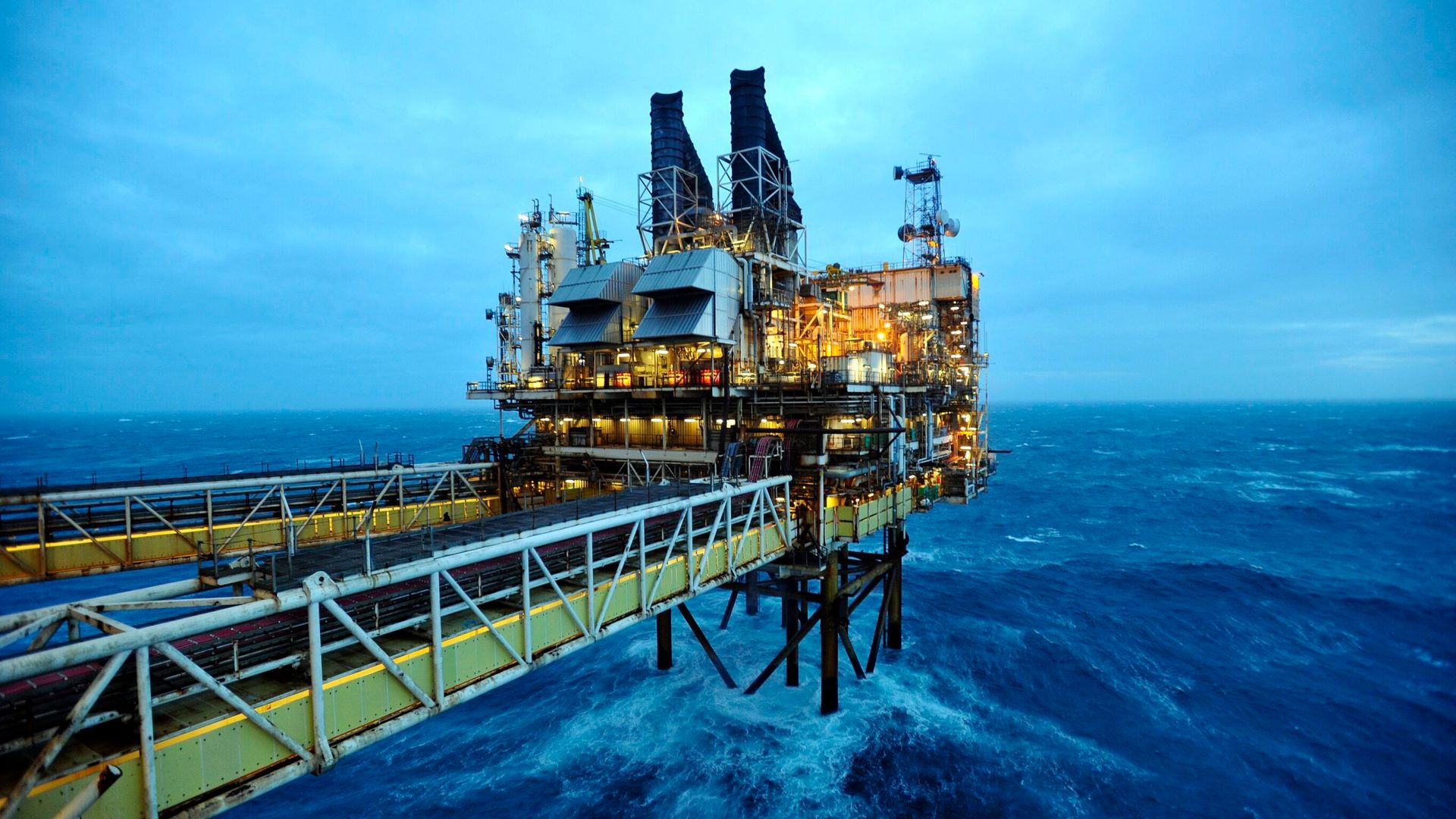
Thousands of oil, gas, and wind workers across the UK face an uncomfortable reality check. Offshore Energies UK (OEUK) introduced a hard weight limit of 124kg (19st 5lb) for anyone heading out to rigs and platforms, driven entirely by emergency survival constraints. If you tip the scales past that line in full gear, you don't fly.
Helicopters and survival equipment aren't infinitely adaptable. Winch systems, life rafts, and emergency breathing apparatus have rigid engineering limits. When people talk about safety critical roles, they usually picture blowout preventers or high-voltage switchgear. They rarely think about the physical capacity of a rescue hoist dangling over a freezing North Sea.
The Numbers Behind the Rule
Let's look at the actual scope of this shift. Industry data points to roughly 2,200 active offshore personnel currently sitting above the 124kg threshold. Stretch that out to include workers who hover close to the line or require specialized medical monitoring, and you're looking at nearly 5,000 individuals whose livelihoods hang in the balance.
The policy isn't a surprise sprung overnight. A structured transition period gives affected staff time to adapt, backed by occupational health guidance and weight management programs. But time is running out. Anyone renewing their medical certificates while sitting above 115kg faces restricted, short-duration certifications designed to force compliance before full enforcement hits.
Why BMI Failed as a Metric
For years, occupational health relied heavily on Body Mass Index to flag safety risks. Anyone who’s spent time on a platform knows why that fell flat. Rig workers are often stocky, muscular individuals who pack serious lean mass. BMI routinely mislabeled fit, active personnel as obese simply because muscle weighs more than fat.
That's why this new policy changes the measurement standard. It focuses on actual clothed body weight rather than abstract ratios. If you step onto the scale wearing your boots and work coveralls and the digital readout clears 124kg, your certificate gets denied. There's no room for debate about muscle mass when a rescue winch has a strict structural load limit during a gale-force evacuation.
Employer Obligations and Legal Risks
Companies don't get a free pass to hand out P45s and wash their hands of the problem. Employment law and health regulations collide awkwardly here. Dismissing an employee solely because they fail a weight threshold without following a rigorously fair capability process opens companies up to massive unfair dismissal claims.
HR departments are scrambling to audit operations, update contractor agreements, and figure out what to do with valuable personnel who can't fly offshore. Solutions range from temporary redeployment to onshore engineering roles to funding targeted lifestyle and nutrition interventions. If an employer fails to provide proper support before pulling someone's ticket, tribunals won't look kindly on the outcome.
What Affected Workers Can Do Right Now
If you're currently working offshore and your weight sits near the danger zone, waiting around for policy enforcement is a losing strategy. Occupational health teams recommend proactive steps long before your next medical renewal drops.
- Request a formal review of your current health metrics through your employer's occupational health provider.
- Engage with structured, sustainable weight-loss programs rather than crash diets that damage long-term energy levels.
- Check your current medical certificate expiry date to calculate exactly how much transition runway you have left.
- Discuss potential onshore transitional roles with your line manager if you suspect you won't hit the target in time.
Safety rules in heavy industry are written in blood and refined by hard physics. Love it or hate it, the 124kg limit is here to stay, and adapting to it is the only way to keep your boots on the deck.