The arrest of 20-year-old U.S. Marine Lance Corporal Devin Jacob Ballard on suspicion of killing 39-year-old Anna Yagi in a Naha hotel has once again ripped open an old, unhealed wound in Japan. For decades, residents on the southern island of Okinawa have lived side-by-side with a heavy American military footprint. When crimes occur, the friction between local safety concerns and bilateral security treaties explodes into the open.
Prime Minister Sanae Takaichi didn't mince words. Tokyo formally protested to Washington, and Foreign Minister Toshimitsu Motegi summoned U.S. Ambassador George Glass to express public outrage. Defense Minister Shinjiro Koizumi also hauled in U.S. Forces Japan Commander Lieutenant General Stephen Jost. Japan wants answers, tighter discipline, and actual accountability, not just diplomatic platitudes.
The Anatomy of the Incident
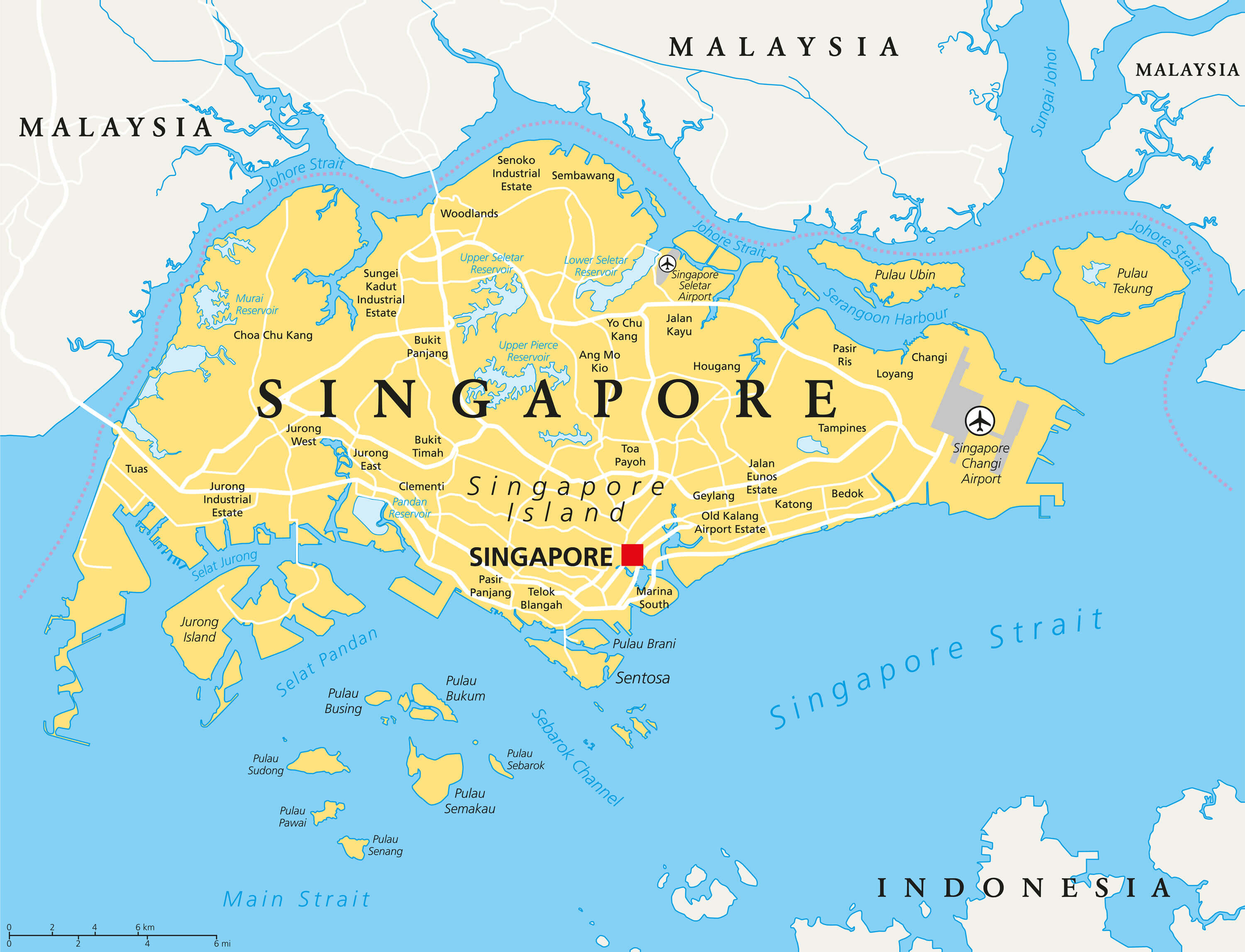
The sequence of events shocked the local community over the weekend. Police discovered Yagi's body inside a hotel room in Naha, the capital of Okinawa Prefecture, after investigators suspected she was strangled. Security footage reportedly placed Ballard entering the hotel room with the victim and later leaving alone.
Authorities picked up Ballard hours later on Saturday evening in Naha's entertainment district after an officer spotted him walking by himself. While Japanese prosecutors began reviewing the case to decide on formal charges, Ballard has denied the allegations. Under the existing status of forces agreement, Japanese authorities are handling the case because the suspect was off duty and arrested off base, a critical detail for jurisdiction in high-profile criminal matters involving American service members abroad.
Why Okinawa Keeps Boiling Over
Okinawa hosts the vast majority of the approximately 54,000 U.S. military personnel stationed across Japan. That concentration brings heavy strategic value for Washington and Tokyo, but it extracts a severe psychological and social toll on local citizens.
Okinawa Governor Genta Koja captured the local sentiment bluntly, calling the incident absolutely unforgivable and noting that it triggers deep-seated fear among residents who bear the brunt of base proximity. Every time a serious crime hits the headlines, it revives decades of protests demanding the reduction or removal of these military facilities.
This latest tragedy also lands at a politically sensitive time. Prime Minister Takaichi has been pushing to shift Japan away from its traditional postwar pacifism, pursuing a broader military buildup and leaning heavily on the U.S. security alliance. Incidents like this undermine those policy goals by inflaming public resistance and feeding local skepticism about whether American forces respect the communities hosting them.
What Happens Next
Ambassador Glass pledged full cooperation and acknowledged the urgent need to hold American service members to higher standards of discipline and integrity. Yet, for many people living in Okinawa, promises of cooperation feel like an endless loop. Past offenses, delayed disclosures by military authorities, and jurisdictional gray areas have eroded public trust over generations.
As Japanese prosecutors weigh whether to pursue life in prison or the death penalty depending on the final charges, the pressure on both governments remains intense. This case isn't just about a single criminal trial in Naha. It is a harsh reminder of the hidden costs of geopolitical alliances played out in the backyards of ordinary citizens who never signed up for the risk.