Margins vanish when power bills outpace revenues. Right now, Pakistan's hosiery and knitwear export industry isn't just struggling with seasonal slumps—it's fighting a brutal survival battle against suffocating manufacturing expenses. When your operating costs double while global buyers tighten their purse strings, you're standing on borrowed time.
The Pakistan Hosiery Manufacturers and Exporters Association (PHMA), led by Central Chairman Zia Alamdar Hussain, recently sent urgent warnings to the federal commerce secretary. The message is simple. Without immediate state intervention, the country's multi-million-dollar garment sector risks losing permanent market share to regional competitors in Bangladesh and Vietnam.
The Math Behind the Manufacturing Crunch
Let's look at why local factories are bleeding cash. It isn't just one bad month. It’s a toxic mix of high energy tariffs, recurring electricity shortages, and heavy taxation that chokes liquidity. When running looms costs a fortune, profit margins shrink to near zero.
Exporters face a brutal catch-22. Absorb the rising costs and watch your business bleed dry, or pass them on to international buyers who will instantly switch orders to cheaper suppliers overseas. International apparel demand is already soft. Buyers don't care if your local electricity rates spiked by 40% or if your tax refunds are stuck in bureaucratic limbo for months. They want competitive pricing and reliable delivery schedules. Pakistan's knitwear exporters can barely guarantee either right now.
Freight Rates Double the Pressure
Shipping expenses added insult to injury. Ocean freight rates to major international ports have surged between 1.5 and 2.5 times over baseline expectations.
When container costs skyrocket, the Free on Board (FOB) landed price jumps instantly. A garment that looked competitively priced in Karachi suddenly becomes an expensive risk once it hits ports in Europe or North America.
- Shipping lines charge astronomical container fees.
- Inland transportation eats up remaining margins.
- Port delays add storage fees and penalty risks.
The Push for the DLTL Incentive
In response to this cash crunch, the PHMA has formally requested the federal government to roll out an immediate financial cushion. Specifically, the association is pushing for a temporary Duty Drawback on Local Taxes and Levies (DLTL) incentive.
The proposal asks for a 6% to 8% drawback on the FOB value, calculated on a shipment-by-shipment basis. Industry leaders argue this is the only way to offset the recent surge in production, energy, and transportation overheads until global market conditions stabilize.
They are also demanding an emergency consultative meeting involving the Ministry of Finance, the State Bank of Pakistan, and the Federal Board of Revenue. They want a streamlined tax refund mechanism to unfreeze trapped liquidity that factories desperately need to pay workers and buy raw yarn.
What Needs to Happen Next
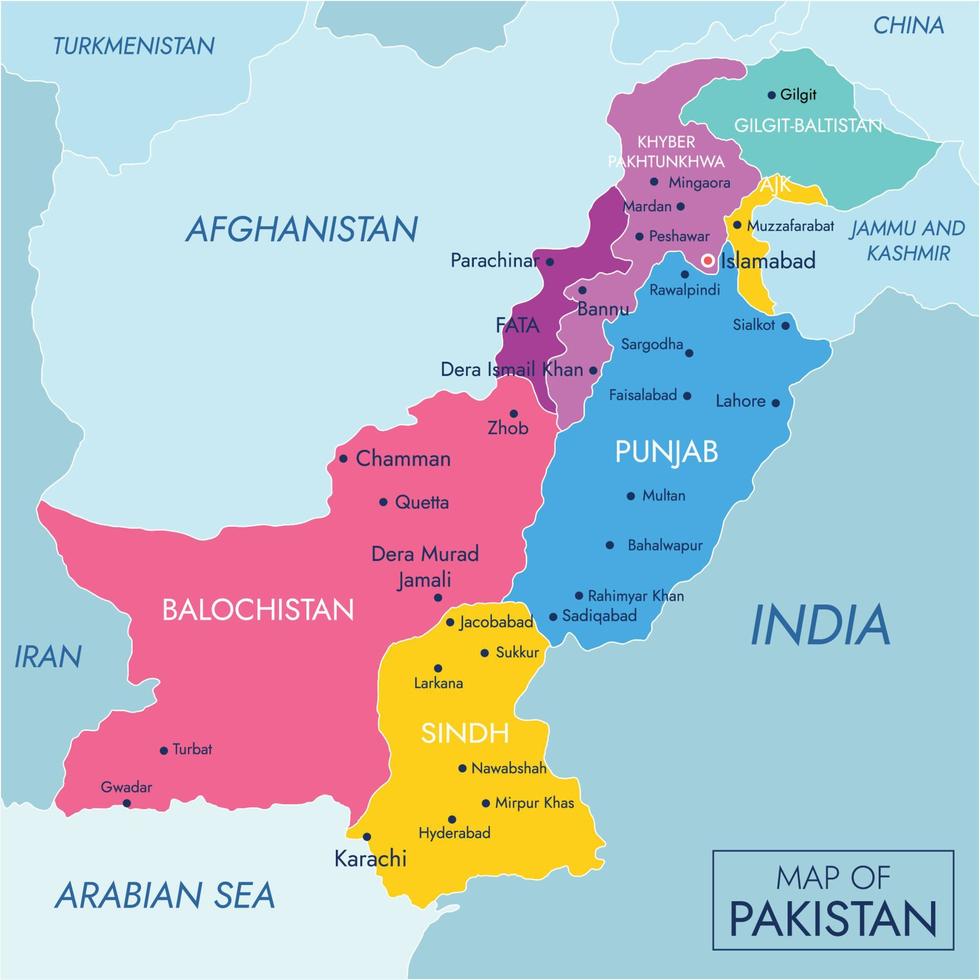
If policymakers treat this as just another routine industry complaint, the fallout will hit employment hard across major manufacturing hubs like Faisalabad, Karachi, and Lahore. Millions of textile jobs depend on keeping these export channels open.
Fixing this requires structural adjustments, not temporary band-aids. Unfreezing tax refunds immediately, rationalizing industrial power tariffs, and subsidizing freight corridors will determine whether Pakistan's knitwear export sector survives the decade or quietly fades away. Stop ignoring the warning signs and start treating export manufacturing like the national economic lifeline it actually is.


