Pakistan A won the toss and batted first against Sri Lanka A in the Rising Stars Asia Cup final in Doha on Sunday, November 29, 2026. Two wickets fell inside the first 14 overs as Sri Lanka A's bowlers squeezed the scoring rate after an early breakthrough.
Live text blogs do a decent job of tracking ball-by-ball runs, yet they often leave you wondering what actually shifts momentum in an A-team final. Here, you're not watching senior international superstars with decades of Test caps. You're watching twenty-somethings auditioning for national selectors while trying not to blink under title pressure.
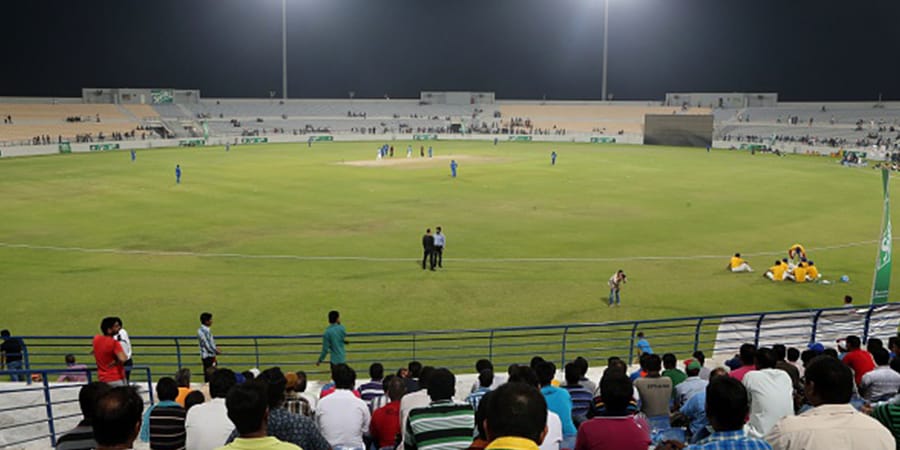
Pakistan A entered the match chasing a record-extending fourth title in the tournament, while Sri Lanka A pushed for their third crown. Neither side limped into Sunday. Pakistan A edged past Bangladesh A by five wickets in the second semi-final on Friday, chasing down 233 in 45.2 overs. Sri Lanka A made a much louder statement on Thursday, hunting down 318 against India A in 41.3 overs with eight wickets in hand behind Sineth Jayawardena's 70-ball 105.
How Pakistan A vs Sri Lanka A Unfolded Through the First Twenty Overs
Choosing to bat first on a West End Park surface that had already hosted high-scoring action looked straightforward on paper. Early cricket rarely follows paper plans.
Ravindu Fernando struck first for Sri Lanka A in the third over, removing Maaz Sadaqat for 5 after a top edge looped to Wanuja Sahan. Pakistan A lost their first wicket at 13. Shamyl Hussain responded cleanly, punching boundaries through extra cover and mid-off while surviving a missed chance in the field. Shahzaib Khan had his own early scare on nought when a sweep ballooned off the top edge and went down, giving him room to settle beside Hussain.
By the 10-over mark, Pakistan A reached 52 for 1, with Shamyl Hussain motoring along on 34 not out and Shahzaib Khan building up on 13 not out. That recovery stalled right after the powerplay.
Garuka Sanketh came on and changed the mood on the first ball of his second over. Hussain rocked back for a pull over midwicket, mistimed it, and handed Janith Liyanage a simple catch at mid-on for 40 off 43 balls. Losing a set batter at 61 for 2 hurts in any final, especially when the incoming hitter has to absorb spin and awkward angles straight away.
- Spin and awkward angles slowed boundaries: Ravindu Fernando kept things tight with flight and subtle variation, while Garuka Sanketh unsettled batters with a slingy, tricky release.
- Stalled middle overs: After Hussain fell, Pakistan A barely ticked along for several overs as Sri Lanka A's attack attacked the stumps and starved big swings.
- A late release valve: Around the 18th over, Shahzaib Khan pulled through midwicket for a much-needed boost, taking Pakistan A to 84 for 2 with Hasan Nawaz working hard to rotate strike.
Honestly, when a batting side loses a well-set left-hander at 61, the real test isn't hitting sixes in over 14. It's surviving three tight overs without gifting a third wicket to a ring of catchers.
What Separates A-Team Finals From Senior Internationals
Watching A-team cricket feels slightly different from watching a full ODI at home. Every ball carries two layers of tension: winning the trophy for the badge, and proving you belong in the senior dressing room next month.
In senior cricket, an experienced batter who gets dropped early often shifts gears immediately and punishes the bowling side. At the A level, a reprieve can sometimes make a young player overthink their next shot, or worse, play a loose cross-bat stroke once they hit the thirties. We saw Shamyl Hussain look sharp and composed for 40 runs, then slice a pull straight to mid-on. That's classic emerging-cricket variance. Talent gets you into the final. Shot selection under pressure decides who lifts the cup.
Bowling attacks at this level also rely heavily on rhythm breakers. When a young seamer or spinner hits a consistent length and mixes in a sharp variation, batters who haven't faced 80 international innings can get bogged down fast. Sri Lanka A's use of spin and unconventional seam angles kept Pakistan A's scoring rate modest through the middle phase.
Why Semi-Final Momentum Doesn't Always Carry Over
Sri Lanka A came into Sunday looking like juggernauts after chasing 317 against India A with more than eight overs to spare. Pakistan A looked grittier than flashy, grinding out a five-wicket chase against Bangladesh A.
Yet a 300-plus chase in a semi-final doesn't guarantee a free-flowing first innings in a final. Pitch wear, scoreboard scoreboard pressure, and fresh bowling plans all matter. Batting first in a title match forces you to set a benchmark with zero scoreboard reference. If Pakistan A post a competitive total after weathering that middle-overs squeeze, their bowlers will have something real to defend. If they lose clusters of wickets, Sri Lanka A's top order—fresh off dismantling India A—will fancy chasing.
Common Mistakes Fans Make When Reading Live Match Blogs
Live scoreboards are great for quick updates, but people read them like a movie script when they're really more like raw field notes.
A few traps pop up every time a big match is underway:
- Treating one over as a permanent trend: A tight over followed by a 12-run over doesn't mean the pitch suddenly flattened out. Look at three-to-four-over spells instead.
- Ignoring dropped catches in the scoreline: A batter moving from 0 to 32 looks calm in the summary, even if a half-chance or spilled catch earlier changed the whole script.
- Judging a middle-order batter's strike rate at ball ten: When two wickets are down early in a 50-over final, keeping your head still and absorbing pressure is part of the job, not a crime.
Practical Ways to Follow the Rest of the Final Smartly
If you're tracking the rest of the match today, don't just refresh the score every five minutes and guess. Focus on a few concrete checkpoints.
First, watch how Pakistan A rebuilds between overs 20 and 35. If Shahzaib Khan and Hasan Nawaz turn singles into steady partnerships without giving soft catches to the ring, Pakistan A can still push toward a challenging total. Second, pay attention to who bowls the death overs for Sri Lanka A—keeping wickets in hand for the final ten overs is where totals jump or stall. Finally, compare whatever target Pakistan A sets against how the ball comes onto the bat in the second half of the afternoon in Doha. A big chase is possible on a good surface, but finals bring scoreboard nerves that aren't in any pitch report.