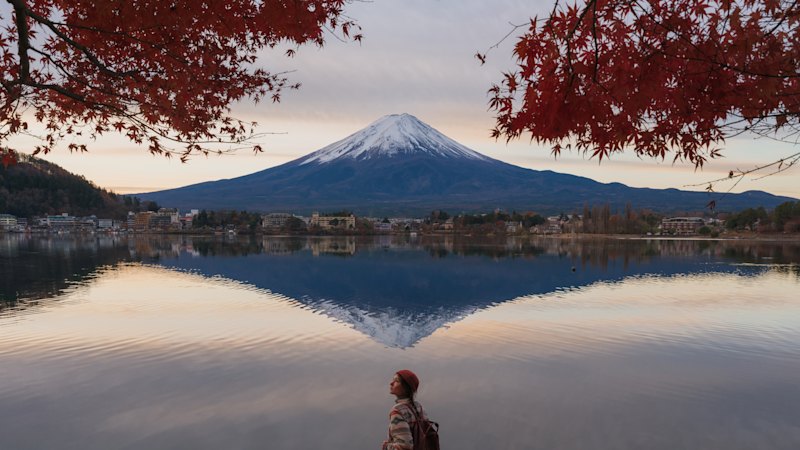
Mount Fuji doesn't care about your summit goals. When a 48-year-old father from Nagoya decided his tired seven-year-old son should wait by himself on an active volcano while he pushed on with an older sibling, he crossed a massive line.
The incident unfolded on the Fujinomiya trail. The boy, a first-grader, hit a wall of exhaustion around the sixth station at an altitude of roughly 2,490 meters. Instead of turning back or adjusting the family's pace, the father handed the child some snacks, a soft drink, and zero money, told him to stay put, and kept climbing toward the peak.
The Reality of High Altitude Hazards
Leaving anyone alone on a mountain is bad. Leaving a seven-year-old unattended for hours at nearly 2,500 meters elevation is a masterclass in poor judgment.
The weather on Japan's highest peak shifts instantly. Fog rolls in thick, temperatures drop, and rain turns a rocky path into a slick hazard. Mountain hut workers eventually spotted the shivering boy sitting alone on a bench as bad weather closed in, bringing him inside to safety before calling the police.
By the time authorities tracked down the father, he had made it all the way to the eighth station. Officers ordered him to abort his climb, march back down, and face a stern reprimand. The man later admitted his choice was rash and deeply regrettable.
Summit Fever Ruins Good Judgment
People lose their minds when a peak is in sight. They spend money, plan logistics for months, and let ego override basic survival instincts.
Summit fever turns rational adults into reckless risk-takers. You see it everywhere. Parents drag undertrained kids up punishing elevation profiles just to check a box or capture a photo. When children hit their physical limit, the adult's job changes immediately. Your priority is the safety of the weakest member, not the view from the top.
Local authorities in Shizuoka made it crystal clear: even if it means abandoning the summit attempt entirely, leaving a child behind is completely unacceptable.
Lessons for Family Hiking
If you are planning a serious trek with children, throw away rigid timetables.
- Build in turnaround times based on the youngest legs in your group.
- Pack extra layers because mountain microclimates defy forecasts.
- Never split up an inexperienced minor from the primary caregiver.
If your kid can't make it to the top, you turn around together. That is the entire job description of being a responsible outdoor parent.