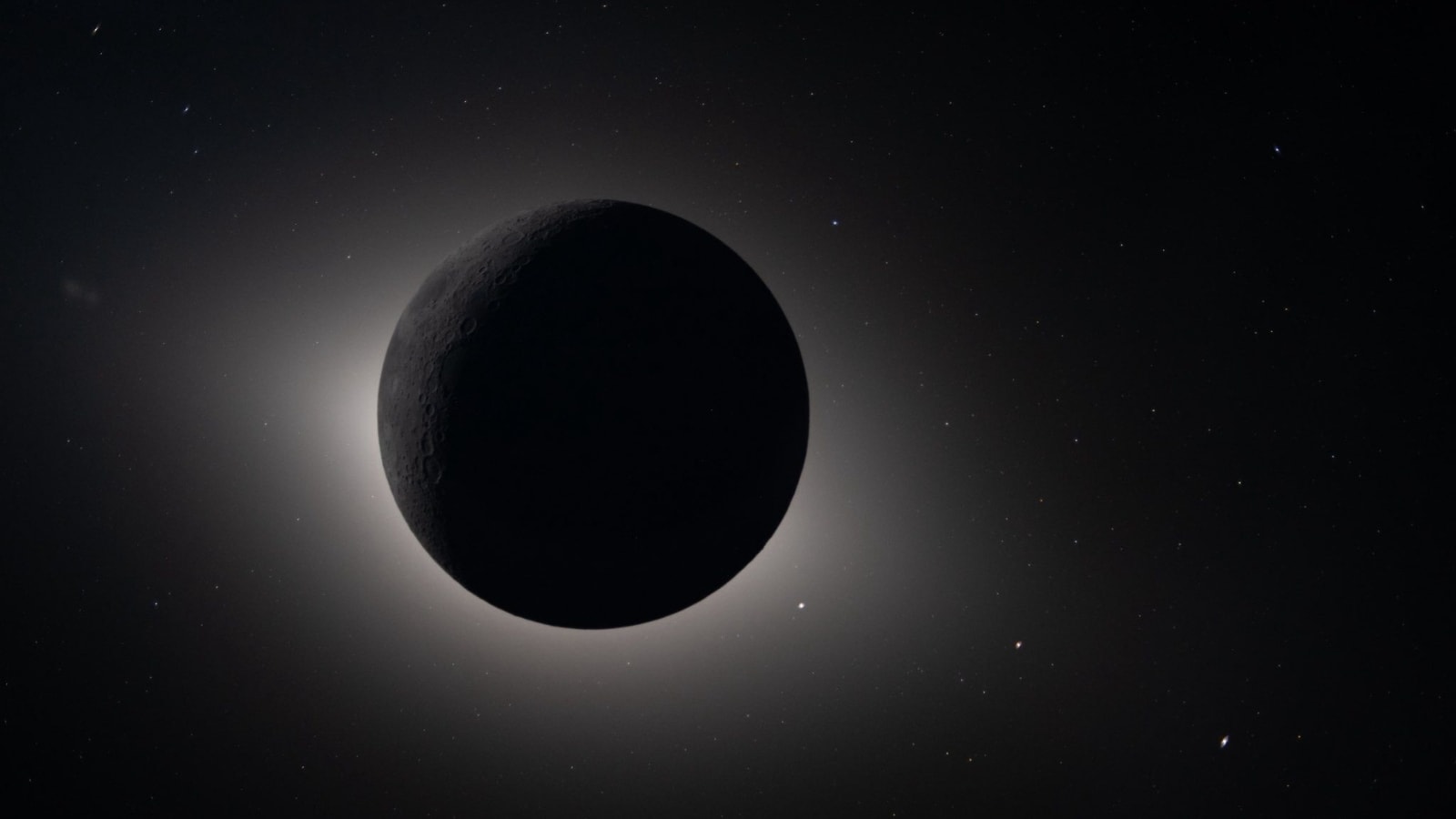
You aren't going to see total darkness if you're standing anywhere in the United States on August 12, 2026. Let's clear that up right now. Social media feeds are already overflowing with dramatic warnings and hype about the upcoming celestial event, but basic geography tells a different story. If you're hoping for that legendary drop into midnight-like shadow during lunch or early afternoon, you need a passport and a ticket across the Atlantic.
The Moon's shadow is tracking a very specific, narrow corridor across the Northern Hemisphere. It clips remote parts of Siberia, slides down through eastern Greenland, grazes western Iceland, and sweeps across northern Spain right before sunset. That's it. If you're watching from North America, you're getting a partial view at best—and if you're on the West Coast, you're getting nothing at all. Don't forget to check out our previous post on this related article.
Where the Path of Totality Actually Goes
If you want the real deal—the corona flashing out, the temperature plunging, the horizon turning a bizarre 360-degree sunset orange—you have to be in the path of totality.
Iceland is shaping up to be a prime viewing station, particularly along western outposts like Látrabjarg, where totality lasts just over two minutes. Reykjavik catches a solid minute or so. The catch? Iceland's weather in August is notoriously fickle. You could get crystal-clear skies or a thick blanket of North Atlantic marine fog. That is the gamble every eclipse chaser takes. To read more about the context here, National Geographic Travel offers an in-depth summary.
Then there is Spain. As the shadow cuts across northern regions like Asturias, Cantabria, the Basque Country, and parts of the Balearic Islands, the timing aligns with sunset. Cities like Bilbao, Gijón, and Palma will see the Sun eclipse right on the horizon. It's a visually stunning setup, but it introduces a major headache. Hills, tall buildings, or low clouds can easily ruin the view when the Sun sits that low. You need an unobstructed westward view toward the ocean or an elevated lookout point. Major hubs like Madrid and Barcelona miss the absolute total blackout, sitting just outside the magic line.
What North American Viewers Can Expect
Don't cancel your plans entirely if you're staying stateside, but manage your expectations. Parts of Alaska, northern Canada, and sections of the northeastern U.S. will experience a partial bite taken out of the Sun.
In cities like New York, Boston, and Washington D.C., the event happens during the early afternoon. You won't notice the streetlights turning on. You won't feel a sudden rush of cold wind. At absolute peak coverage in places like New York, less than ten percent of the Sun is obscured. Without specialized equipment, you wouldn't even know anything was happening. Stargazers in Toronto or Montreal get slightly larger partial phases, but it's still a daytime sky with a slightly clipped sun.
The Non-Negotiable Safety Rules
People always mess this up. They assume a partial eclipse means they can glance up safely because most of the Sun is covered. That logic destroys retinas.
If you are anywhere outside the narrow path of totality—meaning all of North America, most of the UK, and large chunks of Europe that miss the core shadow—you must wear certified solar viewing glasses the entire time. Standard sunglasses, no matter how dark or expensive, do not block the infrared and ultraviolet radiation that burns eye tissue.
If you are lucky enough to be in Iceland or Spain during totality, you can take your glasses off—strictly and only during the exact minutes and seconds when the Moon completely blocks the sun. The second that brilliant diamond ring flash of sunlight reappears, the glasses go right back on.
If you plan on shooting photos with a DSLR, mirrorless camera, or looking through binoculars, your standard eclipse glasses won't cut it. Putting cheap filters behind a lens acts like an ant under a magnifying glass. You need a specialized solar filter mounted securely to the front objective lens before pointing any glass at the sky.
How to Actually Prepare
Stop scrolling through vague travel blogs and check practical logistics right now. If you're heading to Iceland or Spain, rental cars and accommodations near the coast booked out months ago. Keep a close eye on local meteorological updates rather than long-term national forecasts, because microclimates dictate cloud cover in both countries.
If you're staying home, pick up a pair of ISO 12312-2 certified shades immediately before vendors sell out or ship counterfeits. Test them indoors by looking at a bright lightbulb—if you can see anything other than the filament faintly glowing, throw them away.
Get outside on August 12, look up with the right gear, and experience it yourself.