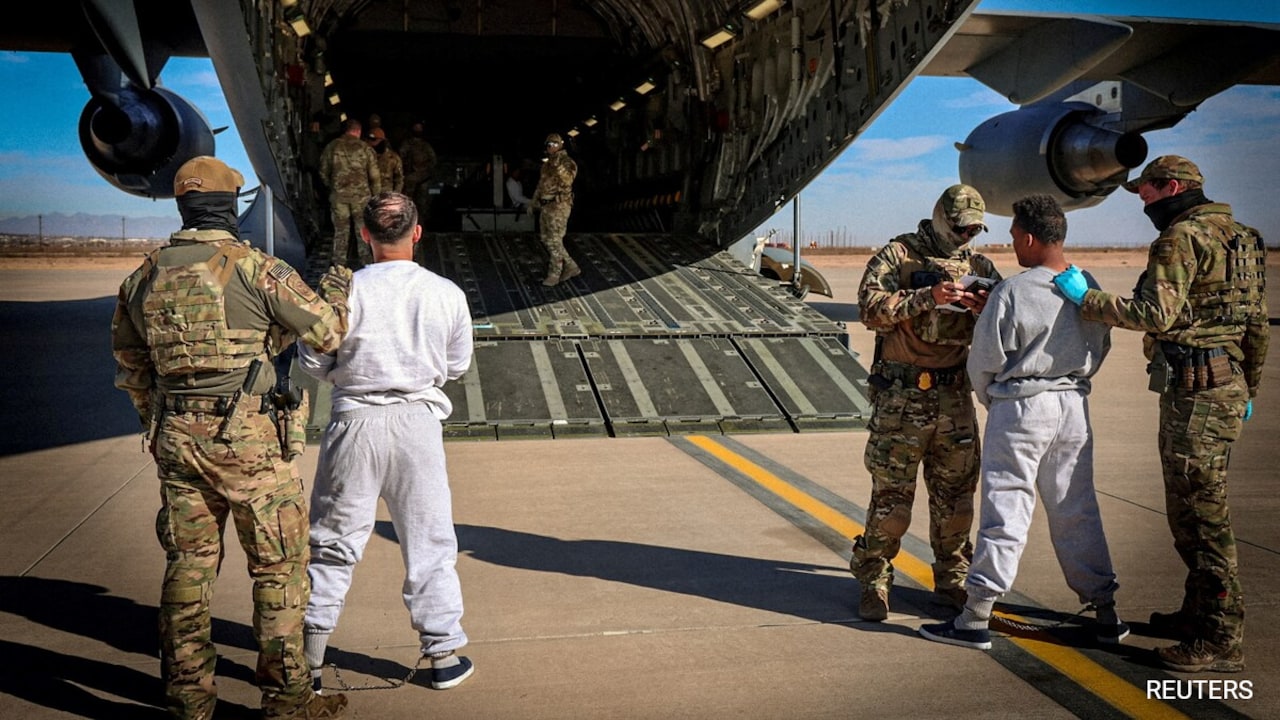
When a government can't send a deportee home, it finds somewhere else to put them. That basic impulse has turned into a massive international operation under the second Trump administration, which has funneled at least $410 million into deals with 31 countries.
If you think standard deportations are straightforward, look closer. The reality involves a tiny State Department unit known as the Office of Remigration cutting financial arrangements with nations across Africa and Latin America. These agreements bypass traditional congressional notifications, reallocating millions of dollars to countries where deportees have zero prior ties.
Here is what is actually happening behind the scenes of these third-country deportation deals, why they are expanding so fast, and what the recent pushback means for immigration policy.
The Mechanics of the Office of Remigration
Running these global arrangements takes a specialized touch. The administration repurposed a corner of the State Department—traditionally focused on refugee resettlement—into a 15-person team called the Office of Remigration. Led by diplomat Christian Ehrhardt, this team has traveled extensively to strike deals with foreign governments.
The price tag is steep. Internal records show the administration has authorized or pledged at least $410 million to facilitate these swaps. That money splits into two main streams:
- Direct financial support handed to 13 foreign governments totaling at least $81 million.
- Massive funding commitments directed to international bodies like the International Organization for Migration (IOM) and the UN Refugee Agency (UNHCR) as part of the diplomatic package.
For example, countries like Eswatini, Cameroon, and the Democratic Republic of the Congo have signed on to receive individuals who share no cultural or national background with them. Eswatini agreed to take up to 150 deportees for a $5.1 million government payout, while the DRC secured tens of millions for associated organizational projects while refusing to take African nationals.
Why Traditional Deportation Failed
Why go through the immense logistical headache of sending a Chinese, Russian, or Iranian national to Costa Rica, or sending Cuban and Jamaican citizens to Eswatini?
The answer comes down to legal dead ends. Many individuals processed for removal possess final deportation orders from immigration judges. However, federal laws or international barriers prevent sending them back to their home nations because they face credible threats of persecution, or because their home countries simply refuse to accept them back.
Rather than keeping these individuals in domestic detention indefinitely, the administration treats third countries as a safety valve. More than 25,000 people have already been expelled to at least 28 different third countries since the policy scaled up. The vast majority—roughly 20,000—went to Mexico under separate informal agreements, but thousands more are dispersed across remote nations.
The Legal and Human Rights Backlash
Critics aren't sitting quietly. Human rights lawyers and oversight groups argue that these arrangements are designed explicitly to evade statutory requirements and human rights safeguards.
Deportees interviewed in legal complaints have alleged severe mistreatment upon arrival, claiming they face harsh confinement or lack access to legal representation. Advocacy networks point out that moving migrants to intermediary nations often exposes them to "refoulement"—the illegal practice of forcing refugees back to the dangerous countries they originally fled.
The legal dam is starting to break, too. A federal appeals court recently ruled that the rapid third-country deportation policy is unlawful. The court found that the administration denied migrants adequate notice and blocked their ability to raise legitimate fear-based claims about their designated destination countries.
What Comes Next
The architecture of modern immigration enforcement is shifting rapidly. Even with federal court blocks and intense international scrutiny, the financial networks and diplomatic pathways established by the Office of Remigration show how far governments will go to bypass traditional borders.
If you are tracking international migration trends, expect the legal battles over these offshore expulsion agreements to define the courts for the foreseeable future. The strategy moves fast, but the accountability measures are catching up just as quickly.