Neutrality is basically a religion in Switzerland. But when voters head to the ballots to decide on a hardline constitutional rewrite, they aren't just protecting an old tradition—they're arguing over what it actually means to stay out of a messy world.
The proposal, pushed by the right-wing Swiss People's Party (SVP) and the Pro Switzerland association, wants to enshrine a rigid definition of "perpetual, armed neutrality" into the federal constitution. If passed, it would legally block Bern from joining defense alliances, stop peacetime military cooperation with NATO, and ban the country from slapping economic sanctions on aggressor states unless explicitly mandated by the United Nations.
Critics call it a dangerous straitjacket. Supporters call it a necessary rescue mission for a country that lost its way.
Why the Vote is Happening Now
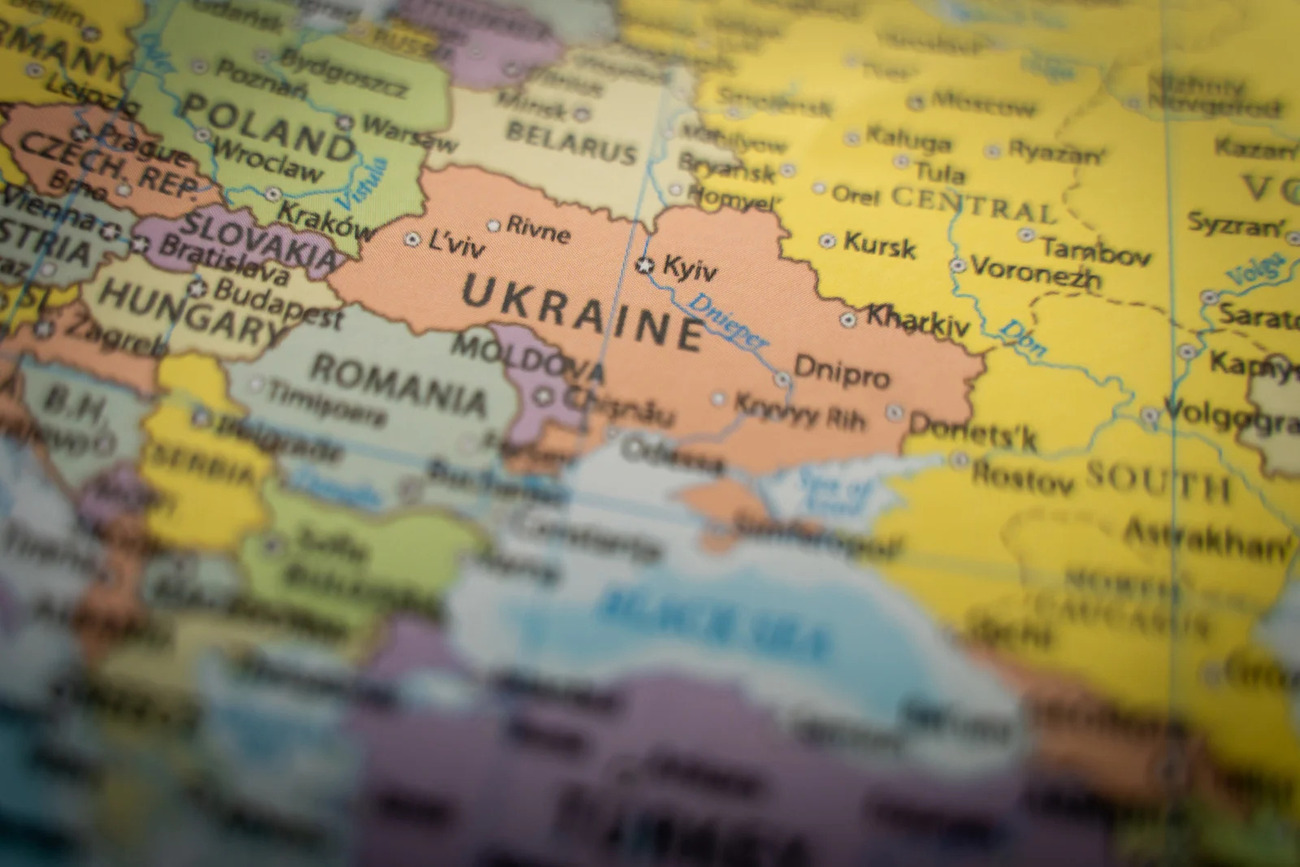
You can trace the roots of this referendum straight back to 2022. When Russia invaded Ukraine, the Swiss government made a choice that shocked traditionalists: it broke with generations of absolute impartiality and adopted the European Union's economic sanctions against Moscow.
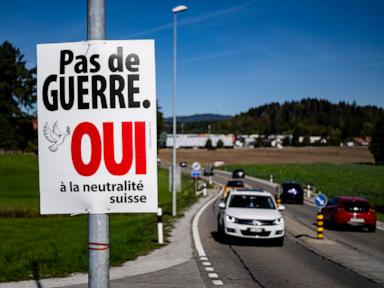
Billionaire businessman Christoph Blocher and other SVP masterminds lost their minds over it. They argued that joining Western sanctions queues turned Switzerland into a de facto party to the conflict, destroying its credibility as an honest global mediator. Posters featuring white peace doves and the slogan "No war, yes to neutrality" flooded Swiss streets as Pro Switzerland collected over 129,000 signatures to force a national vote under the country's famous direct democracy system.
Yet, despite the noise, final opinion surveys ahead of Sunday's vote pointed to a clear rejection by more than 60 percent of the electorate.
The Real Fear Driving the Opposition
Why are everyday Swiss citizens turning down a proposal that sounds like pure, traditional isolationism? Because voters like the way neutrality works right now.
Fabio Wasserfallen, a professor of European Politics at the University of Bern, points out a simple reality: the public supports neutrality, but they also approve of how the government currently implements it. Most Swiss citizens back the sanctions against Russia and don't want to burn bridges with Western democracies.
Foreign Minister Ignazio Cassis didn't mince words during the campaign debates, warning that a dogmatic approach would kneecap national security. If Switzerland can't train with NATO or respond to geopolitical threats with diplomatic and economic flexibility, it becomes vulnerable rather than safe. Neutrality is an instrument, government leaders argued, not a suicide pact.
What’s at Stake for Global Diplomacy
Switzerland has used its unique status to host historic peace summits and offer its "good offices" for decades. Proponents of the strict neutrality initiative genuinely fear that drifting toward NATO and western trade restrictions turns the Alpine nation into just another Western bloc member, stripping away its unique diplomatic leverage.
On the flip side, opponents point out that staying truly neutral doesn't mean looking the other way when international law gets shredded. Banning sanctions altogether would tie Bern's hands, making it look weak or indifferent to blatant acts of aggression.
Ultimately, the referendum shows that even countries with two centuries of uninterrupted peace can't agree on how to navigate modern warfare and economic interdependence. The ballot box settles the text, but the debate over Switzerland's global identity isn't going away anytime soon. Watch how Bern handles future geopolitical crises, because the pressure from both nationalist hardliners and international allies will only intensify from here.