When you see dramatic weather maps plastered across your social feed, it's easy to picture a national blizzard burying every high street by morning. Reality in the UK is usually much less cinematic and much more localized. A snow forecast and cold health alert in parts of the UK rarely means wall-to-wall snowdrifts across the entire country. Most of the time, it means sharp overnight frosts, freezing fog, slushy or snowy hills in the north, and targeted public health warnings for people whose bodies struggle when indoor and outdoor temperatures drop.
I've watched countless autumn and early-winter cold snaps roll in over Britain, and the gap between viral weather hype and actual ground conditions is wide. One valley or hillside gets a dusting or heavy rain while the next town over stays dry, breezy, or even mild. Knowing how to read both the Met Office forecast and UKHSA cold-health alerts saves you from overreacting to clickbait maps and helps you focus on the risks that genuinely affect health and travel.
Why Snow Headlines Rarely Match What Falls Outside
Tabloid headlines love phrases like "big freeze" or "snow bomb," often built around single computer model runs days before a system arrives. In practice, British winter weather is a tug-of-war between cold air masses and milder, moisture-laden Atlantic fronts.
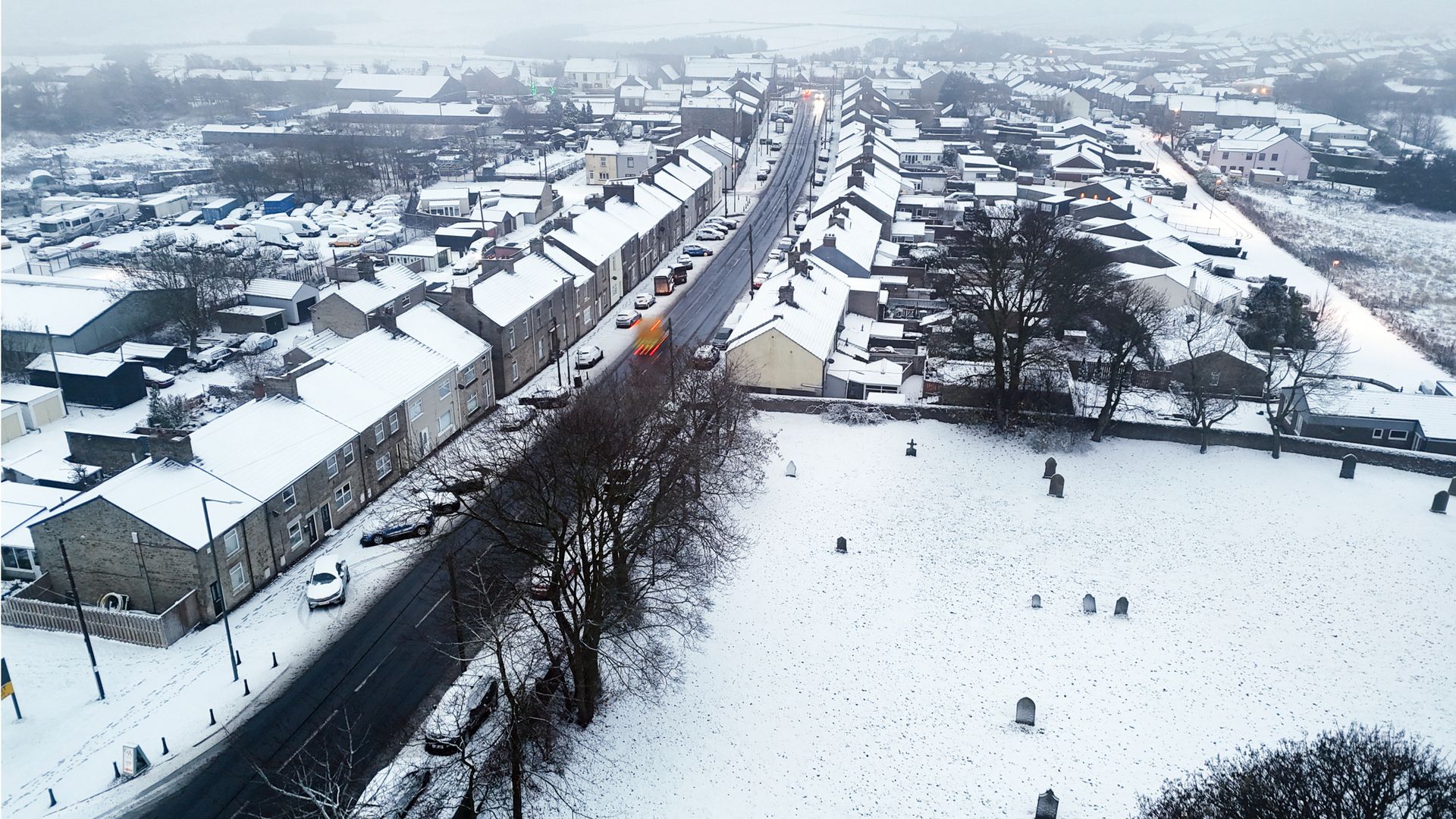
When cold air pushes south into November, snow risk tends to cluster on higher ground—such as Scottish hills, northern England's uplands, or higher parts of Wales—while lower elevations see cold rain, sleet, or crisp dry air. Recent November 2026 conditions have followed that familiar pattern, pairing sharp frosts and sub-zero lows like minus 10.6C at Tulloch Bridge in the Highlands with snow mostly confined to elevated terrain rather than blanketing every city center.
Here's a mistake people make all the time. They look at a map showing a cold front and assume snow equals the biggest hazard.
Honestly, ice and freezing fog cause far more everyday headaches than two centimeters of wet hill snow. Rain or meltwater left on untreated roads overnight refreezes fast when skies clear. Add dense fog patches—like those seen across parts of the Midlands and northern routes during chilly spells—and visibility plus grip drop before your morning commute even starts.
Marginal Temperatures Turn Forecasts Into Coin Flips
Predicting exact snow lines in the UK is notoriously tricky because snow and sleet sit on a razor's edge around 1C to 3C. A half-degree shift in air temperature, elevation, or wind direction can turn wet snow into cold rain.
Meteorologists deal with this uncertainty constantly, which is why early warnings often shift or stay focused on specific regions rather than sweeping the whole nation. If you live near sea level or along a mild coast, a dramatic snow graphic doesn't always translate to sledging weather.
How UKHSA Cold Health Alerts Actually Work
A cold health alert from the UK Health Security Agency (UKHSA) isn't the same thing as a Met Office severe weather warning for snow or wind. They run alongside each other, yet they measure different things.
A Met Office warning flags hazardous weather conditions like heavy snow, ice, or gales that threaten travel, power, or infrastructure. A UKHSA cold-health alert focuses on public health impact across regions of England during the core cold-health alerting season from 1 November to 31 March, using joint dynamic risk assessments with the Met Office based on forecast average temperatures and potential impacts.
In November 2026, yellow cold-health alerts have repeatedly been issued for northern English regions—including the North West, North East, and Yorkshire and the Humber—as chilly air settled in. A yellow alert signals conditions that may not trouble healthy younger adults much, yet can put vulnerable groups at higher risk and increase pressure on health and social care services.
Who Faces the Real Danger When Temperatures Drop
Cold air does more than make you shiver. Breathing cold, dry air can irritate airways and trigger flare-ups in people with asthma, COPD, or other respiratory conditions. Cold also constricts blood vessels and raises blood pressure, increasing strain on the cardiovascular system.
That's why UKHSA highlights adults aged 65 and over, people with long-term heart or lung conditions, and anyone sleeping rough or living in poorly heated homes. Even a cool indoor room—say around 14C to 16C—can wear down someone whose body doesn't regulate temperature efficiently.
One thing I've seen people get wrong is assuming you only need to worry when frost is sitting on the lawn. Prolonged damp cold around 2C to 5C over several days can be just as taxing on older relatives or neighbors with chronic illnesses, especially if they skip heating to save money.
Smart Ways to Prep Without Panicking
You don't need to stockpile tins like a bunker is coming every time a cold snap or yellow alert lands. You do need practical habits that match the actual forecast for your postcode.
First, check regional details rather than national summary maps. Look at whether snow is flagged for higher ground or low levels, whether ice is mentioned for early morning commutes, and which specific regions hold active alerts.
Second, focus on targeted warmth at home. Public health guidance stresses heating the rooms you use most—like your living room and bedroom—to comfortable temperatures, keeping bedroom windows closed at night during cold spells, and wearing thin layers rather than one bulky item that traps cold air poorly.
Third, check in on people who might not ask for help. A quick text or knock on the door for an older neighbor or relative with health issues takes two minutes and genuinely matters during cold weather alerts.
Quick Checklist Before a Cold Snap Hits
- Check your local forecast for overnight lows, ice risk, and freezing fog rather than relying on dramatic social posts.
- Keep a small scraper, de-icer, warm gloves, and a charged phone in the car if you drive early or late.
- Make sure repeat prescriptions and basic pantry staples are topped up before slippery weather arrives.
- Heat main living spaces and bedrooms sensibly, and check on vulnerable family members or neighbors.
Cold snaps in the UK are part of the seasonal rhythm, and most days bring crisp air and clear skies rather than chaos. Pay attention to ice on the roads, keep key rooms warm, look out for people who feel the cold hardest, and you'll handle winter alerts calmly every time.