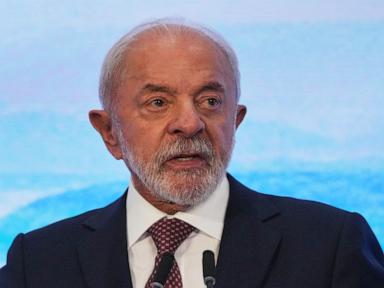
Brazilian markets jumped after President Luiz Inácio Lula da Silva tapped Bradesco chairman Luiz Carlos Trabuco to run the finance ministry starting in January. Stocks surged. The Brazilian real clawed back sharp post-election losses against the dollar. Bond yields eased off multi-year highs.
Let's be real for a second. A single cabinet appointment doesn't wipe out years of fiscal strain overnight. Gross public debt sits near 83% of GDP. The benchmark Selic interest rate is stuck at 13.75%. Still, naming a 75-year-old banking veteran who started at Bradesco as a 17-year-old clerk tells investors something blunt and immediate: Lula isn't handing the keys to an ideological firebrand.
Wire summaries often treat this move like a surprise plot twist. Honestly, it isn't. If you've watched Brazilian politics and markets over the past two decades, you know Lula has a long history of pairing social spending ambitions with pragmatic interlocutors. When markets price in worst-case fiscal chaos after an election and then get a seasoned bank chairman instead, relief rallies happen fast.
Why Brazilian Markets Rebounded on Trabuco's Appointment
Traders didn't cheer because Trabuco promised a slash-and-burn austerity budget. They cheered because the pick lowered the odds of reckless fiscal drift. After Lula's re-election in October, foreign and domestic investors had been dumping Brazilian assets, worried about heavier social pledges and a growing debt burden. The dollar had climbed toward R$6.00 from roughly R$5.60 right after the vote.
Once Lula confirmed Trabuco following their Thursday meeting at the Palácio da Alvorada, sentiment shifted sharply. The Ibovespa stock index climbed roughly 6% in its strongest single-day jump since the first round of voting. The real rebounded against the greenback, and ten-year government bond yields pulled back below 15% from a decade high of 15.75% hit earlier in November.
"Lula hasn't changed. He's not very ideological when it comes to running the economy. The rally is really a correction of the market's views and expectations." — Monica de Bolle, senior fellow at the Peterson Institute for International Economics
That point from Monica de Bolle captures what most headlines miss. Markets had swung too far toward panic. Trabuco isn't a radical libertarian. In recent remarks, he argued that fiscal policy requires attention without treating it as a life-or-death crisis, while backing Brazil's macroeconomic triad of a floating exchange rate, inflation targeting, and fiscal responsibility. For currency and bond desks, hearing familiar guardrails from someone who ran Bradesco from 2009 to 2018—and steered its 2015 acquisition of HSBC Brasil—felt like a steadying hand.
What Trabuco Brings and Where the Traps Are
Hiring a top banker solves a credibility gap with investors. It doesn't automatically hand him votes in Congress or silence critics inside the ruling coalition.
Trabuco brings serious institutional weight. Beyond leading Bradesco's board and executive ranks, he has chaired major industry groups including Febraban and the National Confederation of Financial Institutions, and he sits close to Lula's business circle. He even turned down an invitation to lead the finance ministry back in 2014 under Dilma Rousseff, recommending Bradesco executive Joaquim Levy instead.
Here's the catch nobody in a celebratory trading room wants to dwell on. Levy lasted less than a year under Rousseff because fiscal tightening ran into fierce pushback from within the Workers' Party and allied lawmakers. That history is already casting a shadow. Even before the formal announcement, lower-house Workers' Party leader Pedro Uczai publicly questioned whether tapping Trabuco was the right move. Meanwhile, students and left-wing activists have protested against fiscal restraint measures in São Paulo and Rio de Janeiro, arguing that spending limits threaten social programs, health care, and education.
- Coalition friction inside Brasilia: Even ministers seen as closer to the administration's progressive wing—such as Fernando Haddad and Dario Durigan—faced resistance when pushing fiscal adjustments. Trabuco will need political skill, not just spreadsheet rigor, to get bills through Congress.
- High interest rates squeezing growth: With the Selic rate at 13.75%, debt service is heavy and economists surveyed by the central bank expect sluggish growth around 1% in 2027 alongside inflation near 5%.
- Mandatory spending rigidity: Brazil's budget is notoriously stiff. A newly enacted fiscal adjustment law aims for savings around 0.5% of GDP in 2027—roughly R$56 billion to R$73 billion in primary target terms—yet many analysts say deeper structural changes to mandatory outlays and indexation are needed to stabilize public debt.
Common Misconceptions About This Market Move
When you've followed emerging-market rallies long enough, you spot the same bad assumptions repeating every cycle. Here are three mistakes investors and readers often make right now.
Mistake 1: Assuming a banker means instant budget cuts. Bankers care about credit risk, market stability, and orderly financing, yet Trabuco himself has stressed balancing fiscal discipline with economic growth and reducing inequality. Expect negotiation and gradualism rather than overnight shock therapy.
Mistake 2: Treating a one-day rally as the end of volatility. Currencies and equities routinely overshoot in both directions around political transitions. Even after Friday's bounce, Brazil still faces stubborn inflation expectations, high borrowing costs, and tense budget debates ahead of 2027.
Mistake 3: Ignoring the transition handover. Trabuco takes over in January, stepping into a role currently held by Dario Durigan alongside Planning and Budget Minister Bruno Moretti. Watch how smoothly policy messaging aligns between now and inauguration rather than judging everything by day-one headlines.
Practical Next Steps for Investors and Watchers
If you track Latin American equities, sovereign debt, or currency risk—or simply want to read the next few months clearly—focus on concrete signals instead of pundit noise.
- Track the 2027 primary surplus math and freeze triggers. Watch whether the government's fiscal adjustment package delivers its targeted savings without relying on accounting gimmicks, and check if spending freeze rules get tested.
- Watch mandatory spending and indexation proposals. Pay close attention to any push for constitutional amendments or rules capping automatic spending growth, since economists frequently flag those mechanisms as central to debt stabilization.
- Monitor Workers' Party pushback in Congress. Count real legislative votes rather than cable-news shouting matches to see how much room Trabuco has to maneuver on tax and budget items.
- Follow Central Bank inflation and Selic signals. Compare incoming inflation prints and central bank commentary against the 13.75% rate to gauge when borrowing costs could realistically start easing.
- Size positions for two-way swings. If you trade BRL or Brazilian assets, avoid chasing spikes blindly—keep position sizes disciplined while public debt sits near 83% of GDP and political bargaining plays out.
For official government confirmations and economic releases, check Agência Brasil and Trading Economics.
Lula names banker as Brazil finance minister
This video adds helpful context on the announcement and why Trabuco's appointment drew immediate attention across Brazil's political and financial circles.