Poland’s political warfare just hit the bank vault. The National Bank of Poland (NBP) has officially suspended all payment orders tied to the accounts of the Constitutional Tribunal, dragging the country's central banking system straight into an explosive constitutional crisis.
If you've been watching Warsaw lately, you know Prime Minister Donald Tusk’s governing coalition and the conservative opposition have been locked in a brutal wrestling match over the rule of law. But freezing the actual funds of a top state court? That is a whole new escalation.
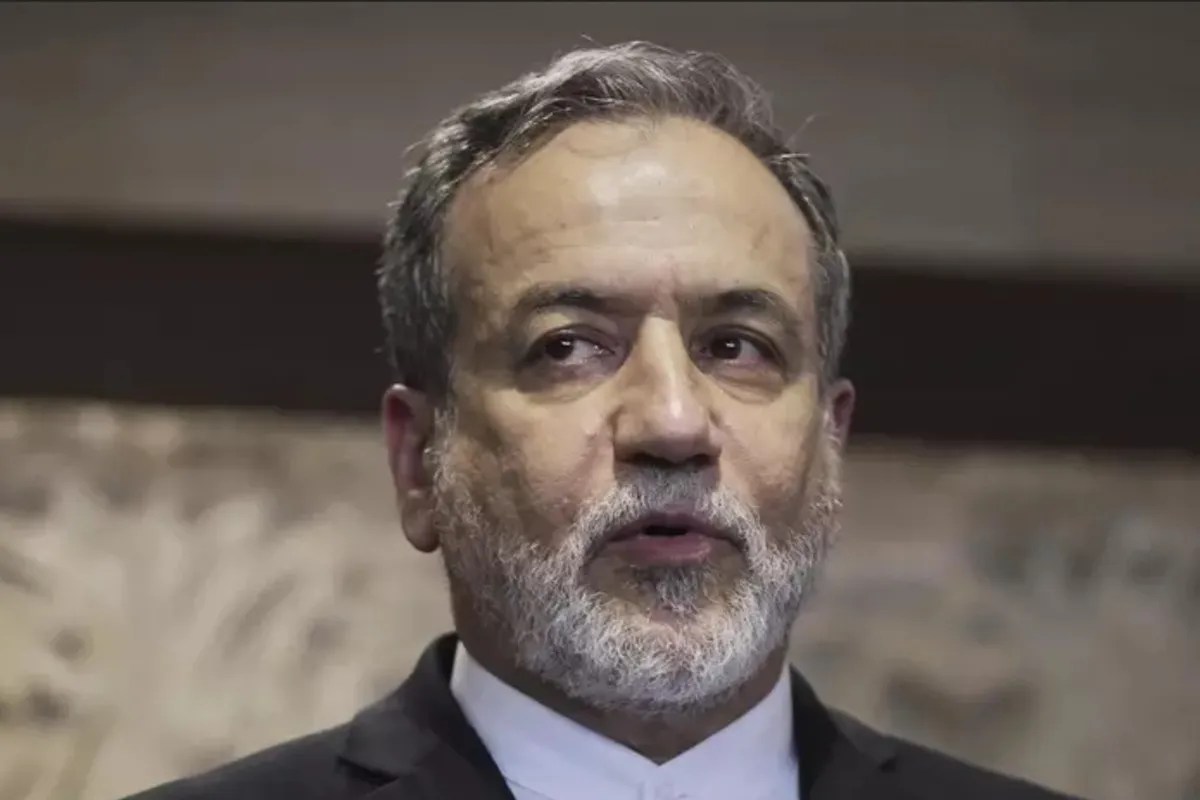
Finance and Economy Minister Andrzej Domański didn't mince words, blasting the central bank’s decision as a case of far-reaching politicization. He stated publicly that the NBP should stick to monetary policy instead of picking sides in political brawls. Meanwhile, the central bank defends its move by pointing to a messy leadership vacuum at the tribunal itself. With rival factions of judges claiming legitimate authority to run the institution, the bank claims it simply couldn't verify who was legally allowed to sign off on transactions.
To understand why this matters, you have to look back at how this chaos started. The battle lines hardened significantly on October 30, when police blockaded the tribunal's headquarters. Judge Anna Korwin-Piotrowska asserted herself as the acting head of the body and moved to suspend top officials like Bogdan Święczkowski. Tusk’s government hailed the maneuver as a vital step toward restoring constitutional order after years of rule-by-Law and Justice (PiS) dominance. The opposition and President Karol Nawrocki called it a blatant, unconstitutional power grab.
Now, the financial taps are closed. While administrative staff have tried to reassure workers that salaries and basic operational bills will somehow get paid, nobody has explained how that magic trick will happen with frozen bank accounts. The government is already looking at alternative banking options to bypass the NBP's blockade, setting up a direct institutional showdown between the executive branch and the central bank.
Adam Glapiński, the head of the NBP, has longstanding ties to the right-wing PiS camp and has faced relentless accusations from Tusk's camp of turning the central bank into a partisan weapon. Glapiński denies any wrongdoing, but optics matter in high-stakes politics. When a central bank blocks a court's cash flow during a bitter dispute over executive authority, financial neutrality flies right out the window.
Credit agencies are already watching these developments with deep anxiety. S&P recently shifted Poland's credit outlook to negative, citing the compounding institutional instability. Investors hate unpredictable political noise, and a state where the central bank and the government are openly fighting over judicial bank accounts qualifies as major turbulence.
Expect the Tusk administration to push hard for workaround solutions, potentially moving state accounts or forcing emergency legislative adjustments to keep the tribunal functioning on their terms. This standoff won't end quietly in a courtroom. It is a raw test of institutional muscle, and neither side is willing to blink first.