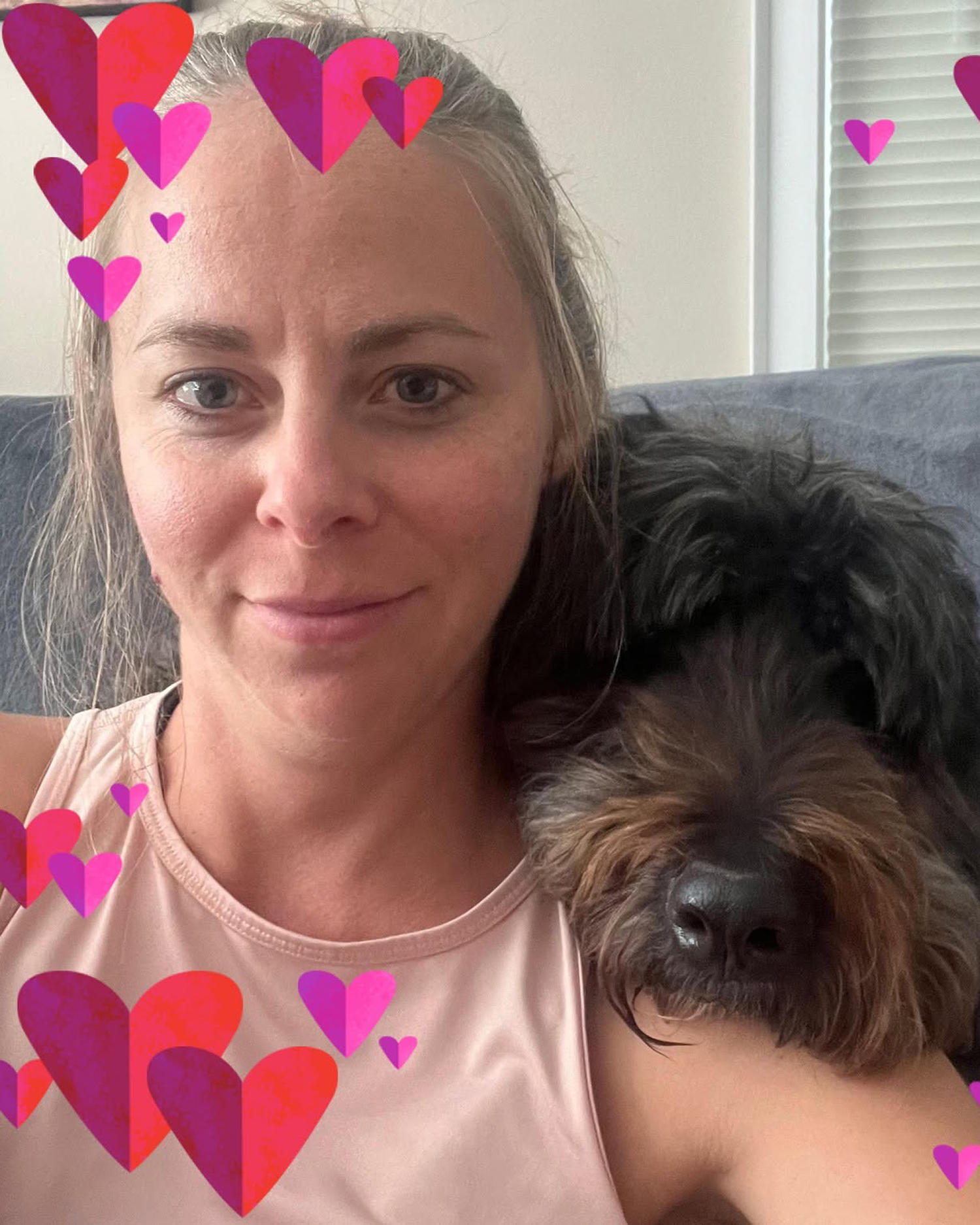
When a spouse dies suddenly, the first words out of their partner's mouth carry immense weight. In the case of Lindsey Barnett, a Lakewood, Colorado teacher found dead in her shower earlier this month, her husband Patrick "Ted" Barnett claimed she had taken her own life. He pointed to her alleged struggles with postpartum depression. Police didn't buy it. Within days, the narrative shifted from a tragic mental health crisis to a homicide investigation, with Ted Barnett in custody on first-degree murder charges.
Why do these stories so often fall apart? It basically comes down to the friction between a carefully constructed story and the physical evidence left at the scene. Investigators aren't just listening to what you say; they are reading the room in ways that most people don't anticipate until it’s far too late.
The problem with shifting narratives
One of the first things detectives look for is inconsistency. In the Barnett case, the affidavit reveals a story that changed under pressure. Initially, the husband reported finding his wife after discovering her in the shower. Yet, the physical scene told a different story. Investigators found a large amount of blood on the bed and pillows in the main bedroom—a location far removed from the shower.
There was a distinct trail of blood leading toward the bathroom, but the area around the body itself had comparatively little blood. If a person cuts their own throat, the injury is usually the primary focus of the blood loss. When you find significant pools of blood in one room and a trail leading to another, the "suicide" narrative starts to look less like a tragic act and more like a cleanup job.
Physical evidence speaks louder than grief
Barnett’s behavior also raised red flags for first responders. He reportedly appeared to be sobbing to dispatchers, yet officers on the scene noted he had "no tears." That’s a classic detail detectives look for. It’s not about being a cold-blooded killer; it’s about the sheer physical impossibility of maintaining a high-intensity emotional performance for hours while being interviewed by professionals trained to spot deception.
Then, there are the injuries. Barnett had fresh scratches on his upper arm, chest, and near his collarbone. He attributed a cut on his thumb to an old Frisbee injury, claiming a scab had fallen off. Investigators, however, saw something else entirely. They classified these as "defensive wounds"—the kind of marks you get when someone fights back against an attacker.
Beyond the scratches, there was the blood on his own body. He had smears behind his ear and on his neck, yet his hands were clean. If you are a spouse frantically checking for a pulse or attempting life-saving measures, your hands should be covered in blood. It is an impossible detail to overlook.
The danger of the postpartum excuse
Using a mental health crisis as a cover for murder is becoming an increasingly common—and transparent—defense tactic. It exploits the public's sympathy for postpartum depression or psychosis. Former FBI agents and experts in the field have noted that this is a "go-to" diagnosis for suspects hoping to sway investigators toward a suicide ruling.
It’s a cynical move. By framing the death as a result of a mental health condition, the suspect effectively shuts down the conversation. Who wants to question a grieving husband about his wife’s mental state? But police know better. They verify medical histories, check prescription records, and interview friends or colleagues who knew the victim well. In Barnett’s case, the physical evidence at the scene was so overwhelming that the "postpartum" explanation didn't even get off the ground.
What investigators actually look for
If you are ever wondering why police are so skeptical when someone claims a spouse killed themselves, understand the process. They aren't just guessing. They focus on:
- Bloodstain pattern analysis: Blood doesn't lie. It shows movement, gravity, and sequence.
- Defensive wounds: Scratches on the partner are a massive indicator of a struggle, not a suicide.
- The "Dainty" footprint: In the Barnett investigation, officers found a footprint near the bed that didn't match the scene of a suicide. It suggested someone else had been there.
- Lack of environmental contamination: If the victim cut themselves, the knife is usually right there. If the environment is disturbed—like a plant knocked over with dirt scattered toward the bathroom—that points to an outside actor.
Next steps in the investigation
The reality is that death investigations are cold, clinical, and data-driven. Once a suspect is arrested on a first-degree murder charge, the focus shifts to the court system. The affidavit, which includes the observations of first responders and forensic teams, is just the beginning. The state will likely lean on the medical examiner’s report, which will determine if the laceration is even consistent with a self-inflicted wound.
For the public, this is a reminder that domestic violence often hides in plain sight. If something feels off, the physical evidence almost always confirms that hunch. Don't be fooled by the tears or the stories of depression. The truth is usually found in the bloodstains, the scratches, and the inconsistencies that even the most rehearsed story can't cover up.
Lakewood teacher murder investigation
This video provides additional context regarding the investigation into the death of the Colorado teacher and the subsequent arrest of her husband.