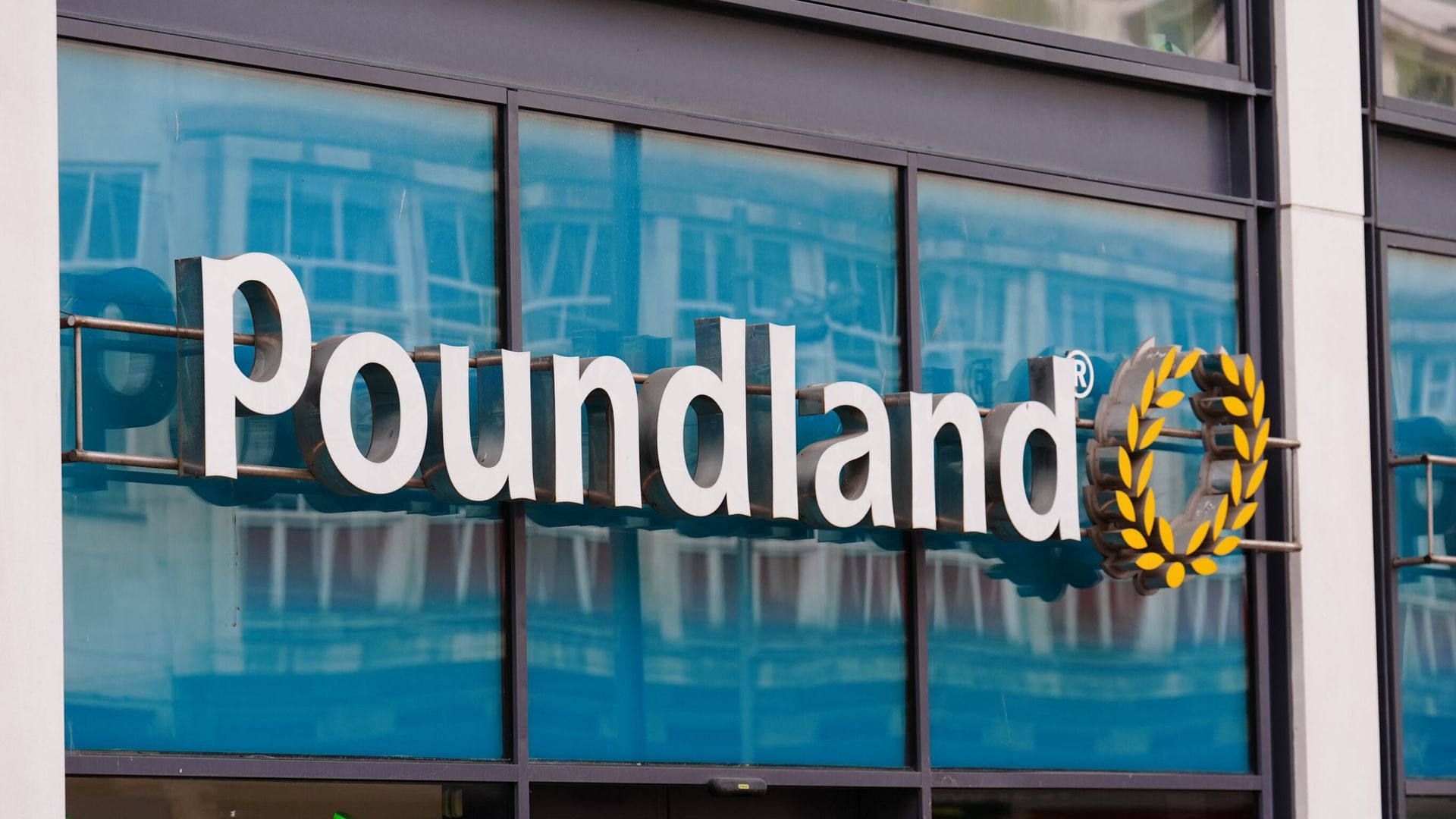
High street retail in the UK is taking another heavy hit. Poundland directors are sitting down for high-stakes board meetings to determine whether the discount giant survives. With an administration deadline looming, roughly 12,000 employees and thousands of suppliers are left waiting to see if a rescue deal can materialize.
Let's look past the surface headlines. This isn't just about cheap household items or a struggling corporate balance sheet. It's a stark warning sign about the actual cost of inflation, rising employment overhead, and predatory private equity maneuvering on the British high street.
The Crunch Point for Gordon Brothers
American restructuring specialist Gordon Brothers acquired Poundland from Pepco Group for a token £1. Since then, the ownership has faced fierce criticism for keeping a tight grip on company funds while the retailer fights to stay afloat ahead of the critical Christmas trading window.
Suppliers have voiced intense frustration, noting that frozen cash reserves and restricted payments mean local businesses risk massive losses. When a high street staple stumbles like this, the shockwaves travel fast. Smaller vendors who rely on steady weekly orders face potential wipeout.
Managing Director Barry Williams admitted openly that there are "no guarantees" as executives weighed their options against competing rescue bids from firms like Xyra Group and Martin Property Group.
Why Traditional High Street Retail is Bleeding
Poundland's struggles didn't happen in a vacuum. Several systemic pressures have conspired to crush discount models over recent years:
- Escalating Operating Costs: National insurance hikes, soaring business rates, and minimum wage increases squeeze low-margin businesses hardest.
- Shrinkage and Theft: Retail crime has risen to severe levels, eating directly into the thin margins that single-price and value retailers depend on.
- Supply Chain Strangleholds: When a parent company restricts access to working capital, stores cannot adequately restock their shelves, driving shoppers toward competitors like Aldi, Lidl, and Tesco.
Founder Steve Smith didn't mince words when discussing the crisis, pointing out that if the chain collapses, displaced workers might struggle to find equivalent employment quickly in smaller towns. Poundland acts as an anchor tenant for shopping centres. When it goes dark, neighboring butchers, bakeries, and cafes lose the foot traffic keeping them alive.
What Happens Next
The immediate priority for the board isn't long-term expansion; it's securing an extension on creditor protection long enough to hammer out a viable sale of either the whole business or viable blocks of stores.
Political pressure is mounting, too. Cabinet ministers and trade committees have hauled executives in for questioning, demanding accountability for how the business was managed post-acquisition. Yet, government letters and union pleas won't pay supplier invoices or restock empty shelves.
If you run a small business supplying retail chains, or if you rely on budget high street stores to manage household budgets, this situation demands close attention. Watch how the creditor deadlines shake out. The outcome will set a dangerous precedent for how corporate restructuring handles frontline workers and independent supply chains in the UK.


