Proposed new tariffs on China landed on Wednesday, November 25, 2026, just a week after President Donald Trump and Chinese President Xi Jinping met in Shenzhen. Washington put a steep 20 percent tariff on the table for China alongside proposed duties on 13 other economies after a probe into alleged excess manufacturing capacity.
Handshake diplomacy rarely stops trade pressure in this administration. Leaders smile for cameras in Shenzhen around the APEC meeting. Seven days later, trade negotiators tighten the screws.
Here is what actually matters for importers, supply chain managers, and investors watching this move. The headline number sounds simple—up to 20 percent—yet the real story sits inside tariff stacking, a looming January 10, 2027 truce deadline, and a proposed exemption covering about $30 billion worth of Chinese goods.
Why Proposed New Tariffs on China Target Factory Overcapacity
Washington built this push around an investigation into surplus industrial production and subsidies that U.S. officials argue flood global markets below market cost. It isn't just China on the list. Fourteen economies face proposed duties up to 20 percent, including the European Union, India, Vietnam, Indonesia, Cambodia, Japan, South Korea, and Taiwan.
That wider net tells you something important. For years, companies thought moving assembly out of China into Southeast Asia or India solved the tariff problem. Now Washington is coming after surplus capacity across neighboring manufacturing hubs too, including Chinese-linked factories operating in places like Vietnam, Indonesia, and Cambodia.
US Trade Representative Jamieson Greer framed the proposed 20 percent rate on China as consistent with ongoing trade talks, telling CNBC that Beijing understands some level of tariffs stays on the table while Washington offers exemptions on roughly $30 billion in Chinese goods. Meanwhile, China's Foreign Ministry pushed back against overcapacity claims and warned that trade wars hurt everyone, though Beijing stopped short of immediate retaliation on Wednesday.
How Tariff Stacking Works Behind the Headline Rate
If you treat "20 percent" as the total bill at customs, you're going to get burned. Tariff stacking is where importers lose money fast.
Depending on the product category and legal authority, new duties can sit on top of earlier Section 301 tariffs from Trump's first term (often around 25 percent) and anti-forced-labor duties already in place. Reporting from financial outlets indicates that for certain Chinese goods, stacked duties could push total tariff exposure toward 40 or even 45 percent.
Let's walk through an illustrative example so the math feels real. Suppose an importer buys industrial components for $100,000 from a Chinese supplier. A standalone 20 percent tariff adds $20,000. Layer a prior 25 percent duty on top, and suddenly you're looking at $45,000 in combined duties—before freight, insurance, or customs brokerage fees. Margins vanish quickly when landed costs jump like that.
A 20 percent headline tariff looks manageable on paper until existing duties stack on top of it and erase your gross margin.
At the same time, the $30 billion exemption carve-out signals that Washington wants leverage without blowing up every supply link at once. Exempt lists usually favor items where U.S. buyers have few immediate alternatives or where bargaining gives Washington room to extract agricultural purchases, rare earth access, or truce extensions.
The Shenzhen Meeting and the January 10 Truce Clock
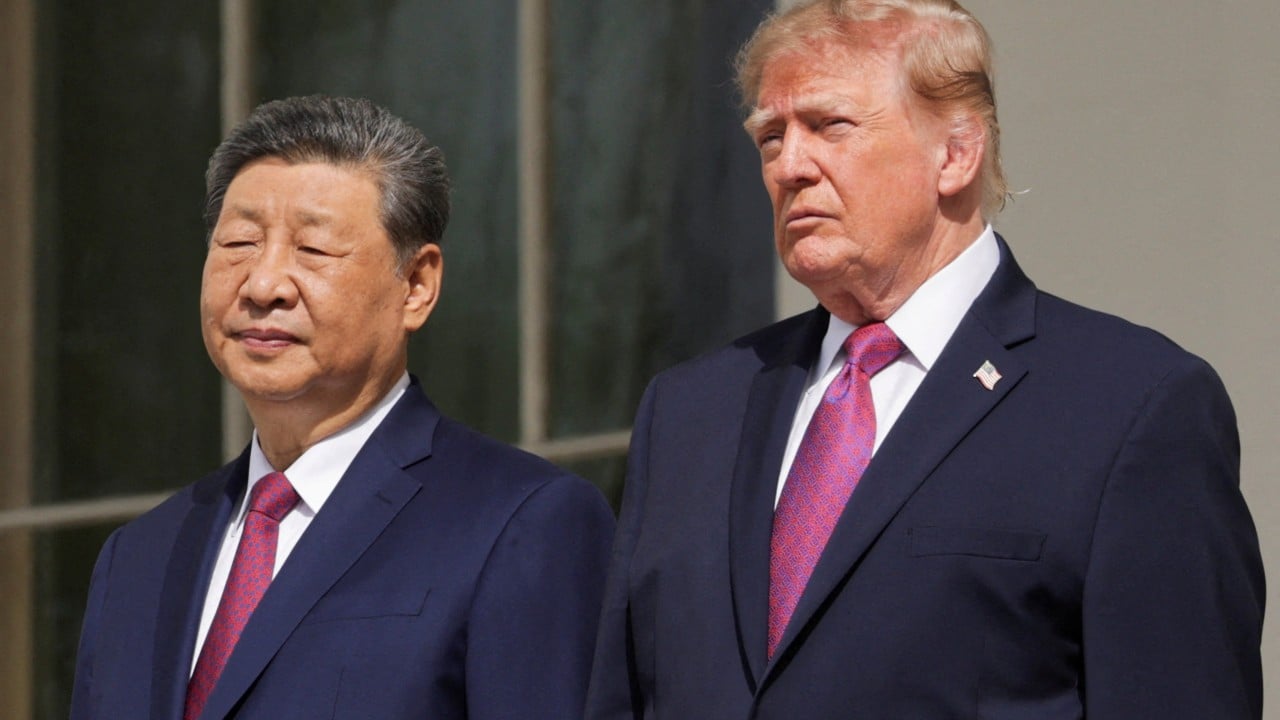
Timing makes this announcement sharper than a routine trade filing. Trump met Xi in Shenzhen on November 19, 2026, during APEC week, with another high-profile stop—the G20 summit in Florida—looming next month. Summits create a polite veneer. Tariff proposals create deadlines.
A U.S.-China trade truce is set to expire on January 10, 2027. Trade analysts and reporting around the proposal point to a clear negotiating dynamic: keeping a 20 percent cap in play while the truce holds gives Beijing a concrete reason to extend the arrangement before January 10, whereas letting the truce lapse could push pressure higher.
There's also legal friction in the background. Earlier court pushback against emergency-power tariffs pushed the U.S. Trade Representative to rely more heavily on statutory investigations like Section 301. That means trade policy isn't just political theater—it's a tug-of-war between executive bargaining, statutory rules, and court challenges.
Common Mistakes Buyers Make During Tariff Whiplash
I've watched plenty of operations teams react to tariff headlines the wrong way. Here are the traps that trip companies up most often:
- Panicking before checking HTS codes: Broad news reports rarely spell out exact tariff treatment for a specific Harmonized Tariff Schedule code or whether a product falls under an exemption list.
- Assuming "Made in Vietnam" is an automatic shield: With Vietnam facing proposed rates up to 20 percent under deal scenarios—or higher without one—and Southeast Asian overcapacity under scrutiny, single-country "China plus one" isn't a silver bullet anymore.
- Ignoring cash-flow timing: Higher duties have to be funded when goods clear customs, often weeks or months before you collect payment from customers.
- Treating summit handshakes as permanent peace: Diplomatic warmth at APEC or G20 meetings can coexist with aggressive trade filings the very next week.
Honest truth: nobody can predict every twist between now and January 10. Washington may adjust lists, exemptions can shift, and Beijing has plenty of levers of its own, from rare earth supply chains to agricultural buying. Betting your entire business on one political outcome is a gamble you don't need to take.
Practical Next Steps If Your Business Trades With China
If you source, manufacture, or invest across U.S.-China supply chains, move methodically over the next few weeks:
- Audit your top SKUs by HTS code right now. Map every major product line against existing duties, potential stacked rates, and any announced $30 billion exemption details once published by the U.S. Trade Representative.
- Stress-test your landed cost at 20 percent and 40+ percent scenarios. Run your numbers with a licensed customs broker so you know which products can absorb higher duties, which need price adjustments, and which lose money.
- Review contract incoterms and supplier splits. Check who bears tariff risk on open purchase orders and avoid relying on a single backup country without verifying rules of origin and local duty exposure.
- Watch the January 10, 2027 truce calendar and G20 headlines. Keep a short briefing cadence with your trade counsel or logistics lead ahead of next month's G20 meeting and the early-January truce deadline.