Commercial aviation relies on a rigid system of trust, locked doors, and strict protocols. You step onto a plane, store your carry-on, and assume the people in the cockpit have one goal: landing the aircraft safely. But that fragile system fractured violently on a flydubai flight heading toward Israel, turning a routine commercial journey into a high-altitude struggle for survival.
Flight FZ1073 from Dubai to Tel Aviv should have been uneventful. Instead, it became the site of an alleged cockpit attack that sent the jet plummeting nearly 14,000 feet in under thirty seconds. Israeli officials and passenger accounts revealed a chaotic sequence of events where quick-thinking travelers and backup crew members stepped up when safety systems stalled.
Inside the Cockpit Chaos
The incident erupted mid-air when an alleged altercation turned physical. According to reports from Israeli officials and passenger testimonies, the co-pilot—identified by Israeli authorities as an Omani national—allegedly stabbed the captain, Indian national Smit Machchhar.
The physical assault left the captain incapacitated and bleeding heavily on the flight deck floor. With the primary controls compromised, the aircraft experienced a sudden, terrifying descent, plunging 14,000 feet as the co-pilot reportedly hammered at the plane's control panel.
For the 174 passengers on board—many of them Israeli nationals returning home—the sudden drop felt like a freefall. Panic spread through the cabin as oxygen masks deployed and the reality of a catastrophic failure sank in.
Yet, the situation changed when the wounded captain managed to trigger the electronic release mechanism for the cockpit door.
When Passengers Become the Last Line of Defense
Commercial aviation security protocols are designed to keep unauthorized people out of the cockpit. Ironically, that locked door nearly sealed the passengers' fate until the captain's final act opened it.
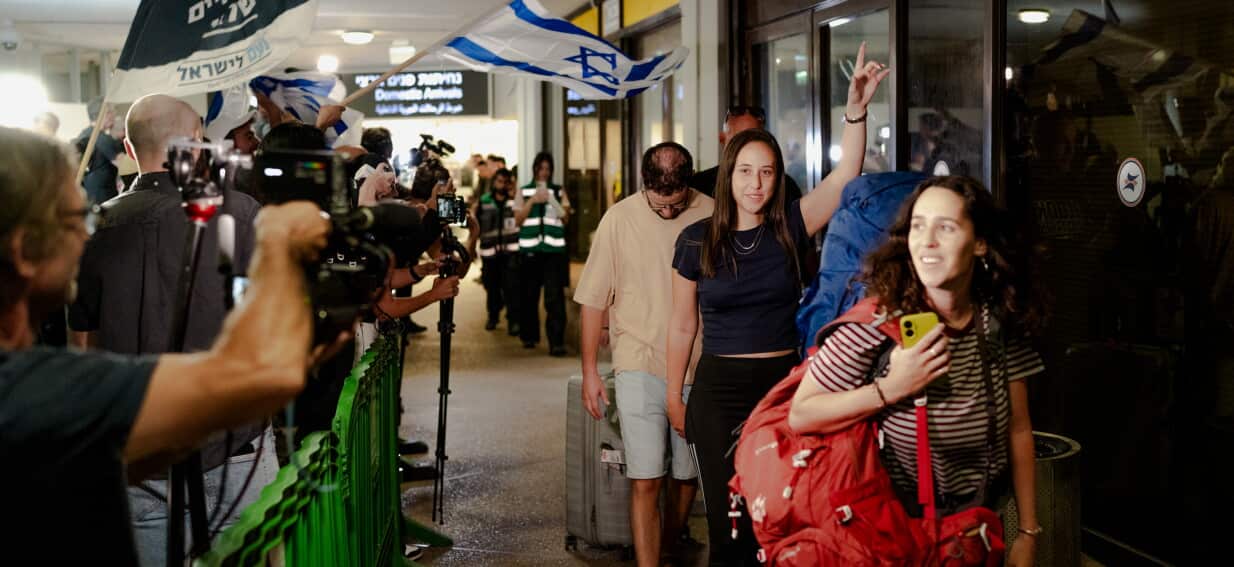
Passengers and crew rushed the flight deck. Among them was Asaf Rajuan, whose forehead bore the physical scars of the ensuing struggle. He described the reaction as an instinctive impulse to protect family and save lives rather than a calculated tactical decision.
Passengers overpowered the co-pilot, restraining him while backup pilots who happened to be on board scrambled to the flight deck. These off-duty or secondary pilots took control of the jet, stabilizing the descent and diverting the flight to Tabuk airport in Saudi Arabia.
The landing avoided what could have been one of the deadliest aviation disasters in recent regional history. Both pilots received hospital treatment for their injuries, while a 51-year-old man was later treated in an Israeli hospital for upper body injuries.
Fallout and New Aviation Security Realities
The emergency landing in Saudi Arabia thrust geopolitical sensitivities into the spotlight. Israel and the United Arab Emirates normalised relations via the Abraham Accords in 2020, making direct flights like the Dubai-Tel Aviv route common. However, an unscheduled emergency landing in Saudi territory added diplomatic complexity to an already volatile situation.
Israeli Prime Minister Benjamin Netanyahu labeled the event a severe security incident and announced that Saudi authorities would handle the initial interrogation of the co-pilot. Meanwhile, flydubai issued statements urging caution against premature speculation regarding the motives behind the attack.
The incident also triggered immediate policy changes. Israeli officials announced that security vetting for incoming flights will tighten significantly. Doron Spielman, a Netanyahu spokesperson, stated that authorities intend to verify the identities and conduct rigorous security checks on every pilot flying into Israel.
Passengers eventually completed their journey to Ben Gurion Airport aboard a replacement flydubai aircraft more than ten hours after the initial disruption. Many described their survival as nothing short of a miracle.
Aviation security experts now face uncomfortable questions. When the physical barriers of the flight deck are turned against the crew from the inside, traditional safeguards fail. Flight FZ1073 proved that when automated and structural defenses break down, passenger intervention remains the final, unpredictable buffer between a normal flight and total disaster.