Most people think moving across the country requires a corporate transfer or a detailed five-year plan. Mahala Ashley Dickerson didn't bother with any of that. In 1958, a simple vacation to Alaska completely altered the trajectory of her life. She didn't just visit; she packed up her life, moved north with her triplet sons, claimed 160 acres of raw wilderness, and broke legal barriers that had stood for generations.
If you want to understand how a Black female attorney from the segregated South became a legendary northern pioneer, you have to look past the basic headlines and examine the sheer grit it took to survive and win in the Last Frontier.
Breaking Ground in the Matanuska-Susitna Valley
Born in Montgomery, Alabama, in 1912, Dickerson was no stranger to institutional resistance. Long before she ever saw Alaska, she graduated from Fisk University and earned her law degree from Howard University. In 1948, she broke a massive barrier by becoming the first Black female attorney admitted to the Alabama State Bar. Stints in Indiana followed, where she was only the second Black woman admitted to that state's bar.
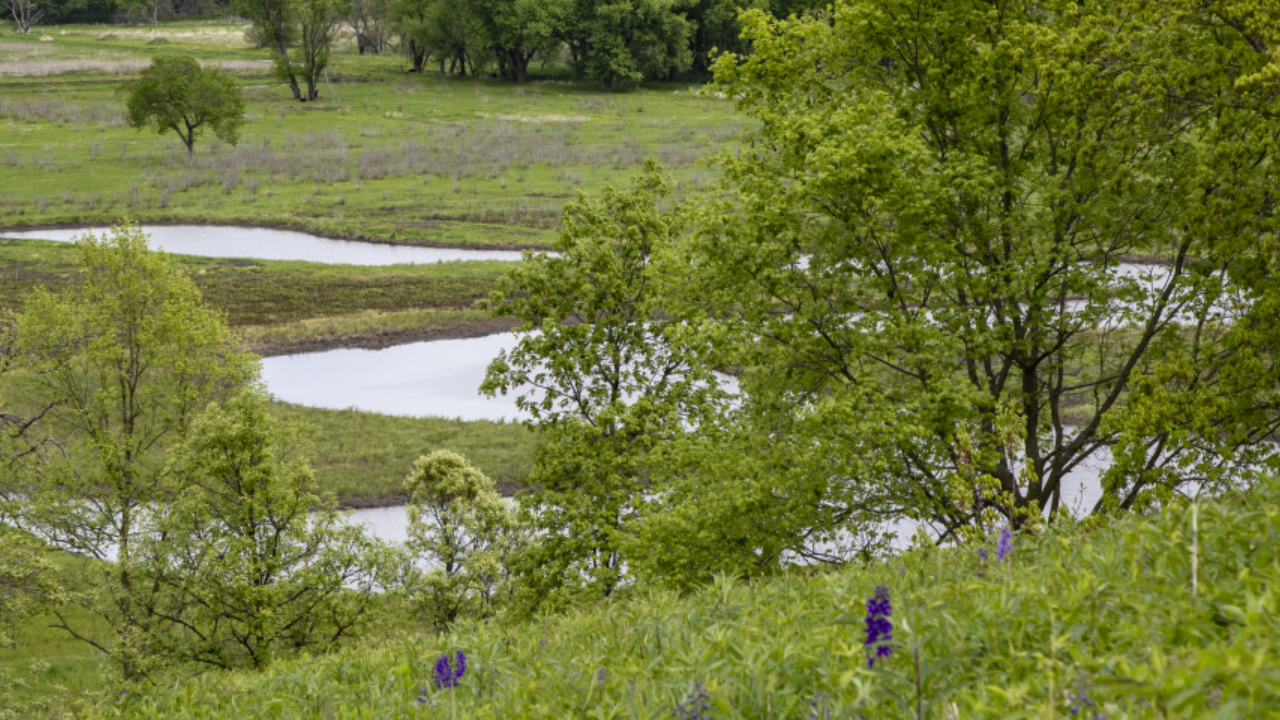
Yet, it was a 1958 summer vacation that hooked her. Captivated by the dramatic landscapes and untamed freedom of the territory, she made a radical choice. She filed a claim for a 160-acre homestead in the Matanuska-Susitna Valley near Wasilla.
Homesteading wasn't a cute hobby. It meant wrestling with brutal winters, clearing heavy timber, and building a sustainable life from scratch. By staking that claim, she became Alaska's first Black homesteader, planting roots in a land that offered raw potential alongside punishing isolation.
Conquering the Alaska Bar Exam
Claiming land was only the first part of her northern crusade. Dickerson needed to practice law. Months after arriving, she sat for the Alaska Bar exam and passed. This made her the very first Black lawyer in the territory, just as Alaska prepared for statehood.
Setting up a practice in Anchorage and Wasilla brought immediate friction. Local establishment figures and opposing counsel frequently underestimated her, mistaking her calm southern demeanor for weakness. They learned otherwise very quickly. Her courtroom style was sharp, unyielding, and backed by a formidable intellect.
She took on the cases other lawyers avoided, fighting tirelessly for civil rights, women's rights, and everyday people who had nowhere else to turn. In her own blunt words, reflecting on the barriers she faced throughout her decades-long career, she once noted that she wasn't afraid to fight anyone. That fearlessness defined her courtroom victories.
Setting Precedents and Forging Legacies
Dickerson's impact wasn't limited to small-town disputes. In one of her most famous legal battles, she represented female faculty members at the University of Alaska in an equal pay lawsuit. She won, establishing a major legal precedent that reshaped compensation standards.
Her influence stretched nationally. From 1983 to 1984, she served as the president of the National Association of Women Lawyers. She maintained a lifelong friendship with Rosa Parks, who traveled to Alaska at Dickerson's personal request. In 1995, the American Bar Association honored her with the prestigious Margaret Brent Award.
When she passed away in 2007 at the age of 94, she left behind a legacy built on land ownership, courtroom dominance, and an absolute refusal to accept secondary status. She saw possibilities where others saw dead ends, transforming a spontaneous vacation into a permanent monument of resilience.
Take a cue from her playbook: stop waiting for permission to enter a room, claim your space, and be ready to fight for it.
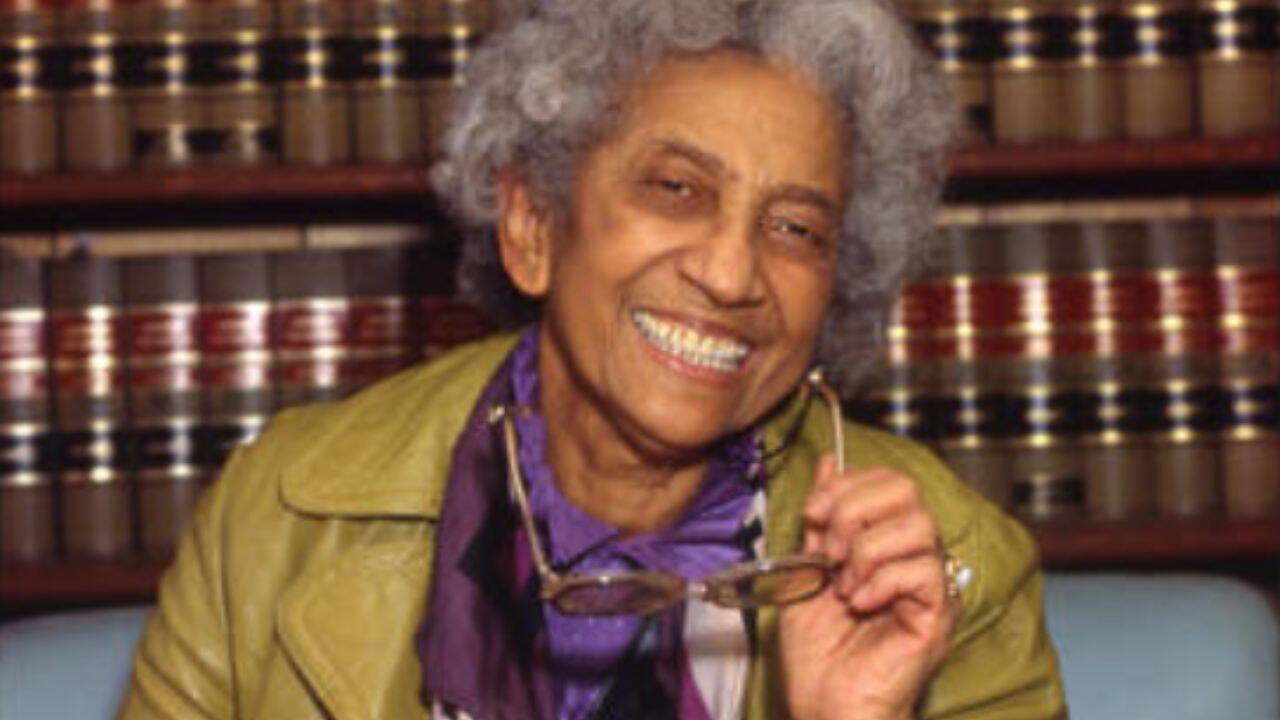
Mahala Ashley Dickerson, Alaska's first African American attorney
This video provides rare historical footage and a direct interview clip of Mahala Ashley Dickerson discussing her pioneering journey to Alaska and the obstacles she overcame.
http://googleusercontent.com/youtube_content/1