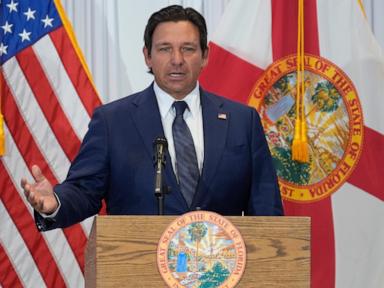
Governor Ron DeSantis just did something he has never done before since taking office. He pulled a death warrant.
For an administration known for pushing capital punishment hard, the sudden halt of 74-year-old death row inmate William Lee Thompson's execution changes the script. Thompson was scheduled to die by lethal injection on a Tuesday. Instead, a letter to the warden at Florida State Prison wiped the date off the calendar without a word of explanation from the governor's office.
If you've followed Florida's capital punishment record lately, this move catches your attention. Last year alone, the state carried out 19 executions, hitting a modern record since the death penalty was reinstated back in 1976. In July, Florida even became the first state in nearly a decade to execute two prisoners on the exact same day. So why pull the plug on Thompson now?
His defense team had been sounding alarms about his physical and mental state. Thompson suffers from severe cognitive decline, advanced dementia, and failing health. Attorneys pointed out that carrying out an execution under those conditions raises deep legal and humanitarian questions about competence. Advocacy groups like Floridians for Alternatives to the Death Penalty stepped up the pressure, arguing that executing an elderly man suffering from dementia crosses a clear line.
Critics of the death penalty point out that maintaining these cases for decades costs taxpayers millions while yielding little public safety benefit. Thompson spent decades behind bars, joining hundreds of others on a massive death row where the average stay stretches close to 23 years. When execution dates finally arrive, questions of competency often take center stage.
Even though the warrant is gone, Thompson isn't walking free. He stays locked on death row, and prosecutors could theoretically try for another warrant down the road. But for now, his legal team hopes the Florida Department of Corrections will move him to a proper medical facility to handle his severe conditions.
This rare reversal doesn't mean Florida is backing off capital punishment as a whole. Other warrants remain active, and the state's machinery keeps moving. Yet this single pause shows that even the most aggressive state execution policies face friction when severe medical decline and dementia enter the cell block.