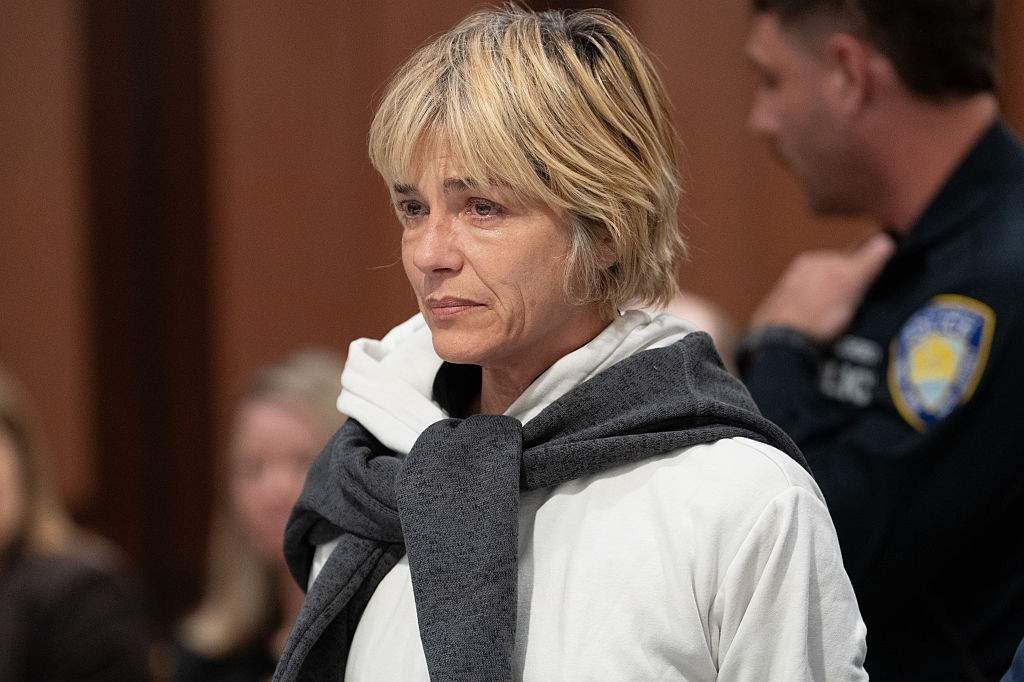
When Selma Blair uploaded an apology video following her mid-air incident on a Delta flight to New York, she did something most public figures avoid. She skipped the PR spin, ignored the advice to stay completely hidden, and spoke directly to the people who were frightened on that plane. If you watched the clip, you didn't see a polished media-trained statement. You saw an actor grappling with the raw aftermath of a terrifying medical episode.
The October 11 incident at JFK Airport turned into a media storm almost overnight. Court documents and police statements alleged a chaotic scene involving flight attendants, a police officer, and medical personnel. Headlines flew fast, painting a picture of an unruly passenger. But underneath the sensationalized reports lies a much more complicated reality involving severe neurological health, missed medication, and the terrifying vulnerability of chronic illness at 30,000 feet.
What Actually Happened on That Flight
The public narrative shifted drastically once Blair’s legal team and representatives provided context. According to her defense, Blair experienced a severe medical emergency brought on by a combination of exhaustion, a heavy travel schedule from Los Angeles, hitting her head, and crucially, missing several doses of a vital neurological medication.
When you miss critical prescriptions for chronic neurological conditions, your body doesn't just feel tired. It can completely short-circuit. Court documents claimed Blair punched and bit crew members and attempted to open an exit door. Her lawyer, Shawn Barnes, countered this in Queens Criminal Court by stating her actions were entirely unintentional, driven by severe confusion and disorientation rather than malice.
The Invisible Weight of Multiple Sclerosis
Let's talk about the underlying factor that media outlets often gloss over. Blair has lived very publicly with multiple sclerosis since her diagnosis in 2018. She documented her grueling chemotherapy treatments, the loss of her mobility, and her eventual return to public life aided by her service dog, Scout.
What many people fail to understand is pseudobulbar affect, a neurological condition secondary to MS. It triggers sudden, uncontrollable episodes of crying or laughing that do not match a person's actual emotional state. When an individual suffers a severe medical crisis mid-flight, onlookers and law enforcement officers often read the physical and cognitive symptoms as erratic or aggressive behavior. They see a threat instead of a patient in distress.
During her video message, Blair addressed this head-on while respecting the ongoing legal proceedings. She noted that her lawyers advised her against discussing the specifics of the active court case, but she refused to let her silence be mistaken for indifference. She looked straight into the camera and apologized to anyone who felt alarmed or hurt during the flight.
Why This Case Divides Public Opinion
Public reaction splits sharply into two camps. Critics point to the police charging documents, which state that Blair kicked a responding officer and a nurse while being prepped for transport to Jamaica Hospital Medical Center. Assaulting first responders is a serious offense, and the legal system has to process those charges regardless of intent. Blair pleaded not guilty to two counts of assault, and her next court appearance is scheduled for January 19, 2026, facing a bail set at twenty thousand dollars cash or sixty thousand dollars bond.
On the other side, advocates for disability rights and chronic illness awareness argue that penalizing someone for a documented medical emergency sets a dangerous precedent. When a passenger loses cognitive function due to a neurological episode, treating them like a standard unruly traveler ignores medical reality. Airports and airlines train staff to spot intoxication or deliberate disruption, but they often lack the framework to safely de-escalate acute neurological failures.
Moving Past the Headlines
Blair’s choice to break her silence matters because it humanizes a situation that news cycles reduced to a mugshot and a sensational headline. She didn't offer excuses. She offered an explanation of her medical vulnerability while taking accountability for the fear her episode caused others.
Her focus is now back where it needs to be: caring for her son and her health, while her legal team navigates the pending federal and state charges. The bigger question remaining isn't just about what happened inside that cabin on October 11. It's about how the travel industry, emergency responders, and the public handle invisible disabilities when they manifest in the worst possible place.