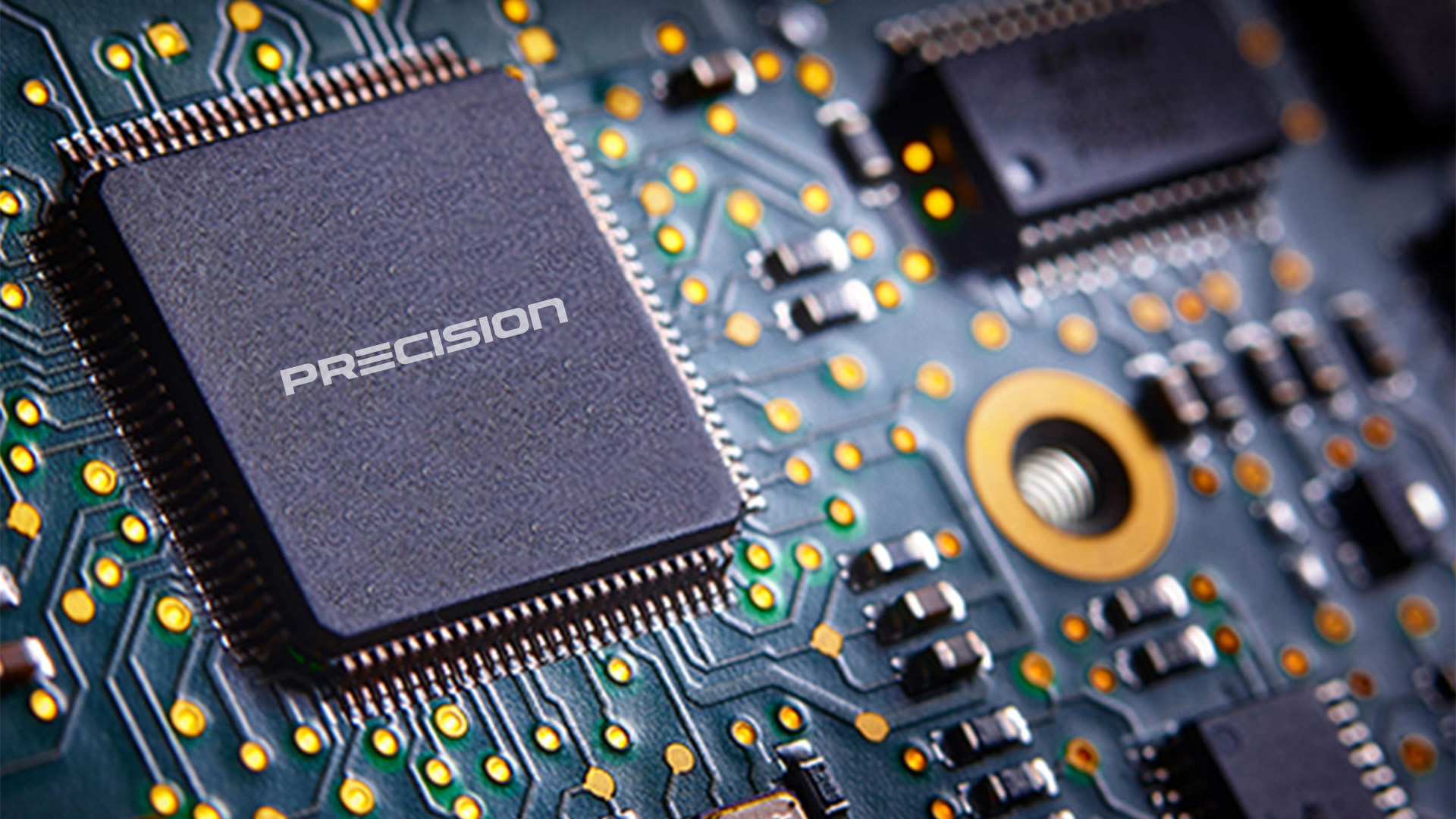
Semiconductor chips just crossed a line that economists have debated for years. In 2026, global semiconductor export value surpassed oil and gas, overtaking the commodity that powered industrial empires for over a century.
Sounds dramatic? Honestly, it is. Yet calling silicon the "new oil" only gets you halfway there. Oil burns once and disappears into heat and exhaust. A wafer of precision-etched silicon multiplies intelligence across data centers, cars, grid transformers, and factories—and once a chokepoint tightens, you can't just pump extra barrels out of Texas or the Gulf to calm the market.
I've watched hardware supply chains up close long enough to know how fast a "temporary" shortage turns into a boardroom emergency. When a single specialized lithography tool or advanced packaging line backs up, procurement teams don't get polite apologies. They get allocation cuts, delayed product launches, and awkward calls with finance.
Why Semiconductor Chips Replaced Oil At The Center Of Global Trade
The milestone didn't happen in a vacuum. Two forces collided in 2026: surging demand for computing hardware to run artificial intelligence and severe disruptions to physical oil transit.
On the demand side, hyperscalers and enterprises have been pouring hundreds of billions of dollars into data centers, accelerators, and networking gear. As highlighted in coverage of Deutsche Bank analysis on chip exports overtaking oil and gas, semiconductor export growth rides a massive wave of infrastructure spending, even though customs export figures measure total chip shipments rather than AI chips alone.
On the energy side, conflict and shipping risks rattled crude supply. U.S. Energy Information Administration data cited in market reporting showed oil flows through the Strait of Hormuz dropping sharply from 21.6 million barrels per day in late 2025 to 4.9 million barrels per day in the second quarter of 2026—a drop of nearly 77%. When oil transit gets choked while silicon shipments scale up to feed data centers, the trade scoreboard flips fast.
Still, I think lazy comparisons between crude oil and microchips miss the deeper story. Oil is fungible. If one producer falters, another can sometimes step in over time. Advanced semiconductors aren't fungible at all. A chip designed on a specific process node with high-bandwidth memory can't simply be swapped for a generic part from another factory without re-engineering boards, firmware, and cooling systems.
Where The Oil Analogy Breaks Down In Real Supply Chains
If you run a hardware operation or track markets for a living, you learn quickly that metaphors only go so far. Calling chips the new oil makes sense when you talk about geopolitical leverage and trade surpluses. It falls apart when you look at how things actually get made.
Here's where the comparison trips people up:
- Manufacturing concentration is extreme. Oil reserves span multiple continents, even if refining and transit routes face political risks. Leading-edge logic fabrication and extreme ultraviolet lithography equipment sit in the hands of a tiny handful of players—most notably TSMC in contract manufacturing and ASML in advanced lithography tools, alongside chip designers like Nvidia, AMD, and Broadcom.
- Lead times behave nothing like rig counts. Bringing a new oil well online takes planning, permitting, and capital, sure. Building a modern semiconductor fab, qualifying equipment, hiring scarce cleanroom talent, and reaching high yield takes years and tens of billions of dollars. You can't flip a switch in six months because spot prices spike.
- Trade surplus recycling looks different. Historically, oil exporters accumulated massive surpluses and recycled capital through sovereign funds and global debt markets. As Deutsche Bank strategist Jim Reid and other analysts have noted in 2026 market commentary, shifting export dominance toward semiconductors can alter global trade flows, currency dynamics, and yield pressures—without guaranteeing the same smooth capital recycling.
A mistake I see smart executives make all the time is treating component risk like a standard price-hedging problem. They buy futures or negotiate unit discounts and think they're covered. Then a single substrate, memory stack, or packaging step hits a wall, and unit price stops mattering because you simply can't get parts on the dock.
Geopolitics And Chokepoints Reshape Every Procurement Plan
Semiconductors stopped being quiet background components years ago. Today they sit right in the middle of industrial policy, export controls, and national security debates.
Look at how governments act. According to research from the Hinrich Foundation on the geoeconomic politicization of semiconductors, states treat domestic chip capacity as a pillar of economic sovereignty—much like steel or energy once were. China has poured roughly $100 billion across phases of its state-backed "Big Fund" to build domestic capability, while Western governments have pushed subsidies and restrictions to curb reliance on single points of failure.
Meanwhile, supply chain analysts at firms like Sourceability have warned throughout 2026 that geopolitical friction, material cost pressure, and surging AI memory and power demand keep squeezing lead times. Even when chip stocks pull back sharply after bouts of market panic or AI-spending jitters, physical fab capacity doesn't magically double overnight.
That tension creates a weird contradiction for buyers and investors alike. On Wall Street, sentiment swings wildly—one week investors worry about an AI capex slowdown or valuation compression, and the next they scramble for exposure to foundational silicon. On the factory floor, though, lead times for specialized power management parts, memory, and advanced nodes still punish sloppy forecasting.
What Smart Teams Do Differently When Silicon Is King
You don't need to predict every twist of Washington or Taipei to run a tougher operation. You just have to stop assuming abundant supply on critical components.
Start with multi-node visibility across your bill of materials. Most teams check tier-one chips and ignore supporting silicon—power controllers, microcontrollers, voltage regulators, networking interfaces, and memory modules. Half the time, a project stalls not because of the flagship processor, but because a $2 supporting chip went on 40-week allocation.
Next, challenge single-source assumptions early. Qualifying an alternate part takes engineering hours upfront, which is why teams put it off until a crisis hits. Doing qualification during calm periods feels slow and expensive. Doing it while assembly lines sit idle is a nightmare.
Finally, separate hype cycles from physical constraints. AI narratives will keep swinging between euphoria and skepticism, and equity prices will bounce with every earnings print or macro headline. Your job—whether you're allocating capital, building hardware, or planning strategy—is to watch actual bottlenecks like wafer capacity, packaging throughput, power availability, and firm customer commitments.
Silicon didn't just beat oil on a trade chart in 2026. It became the bottleneck that decides how fast almost everything else moves. Audit your most critical components this week, map every single-source dependency on your bill of materials, and lock in engineering backup options before the next shortage forces your hand.