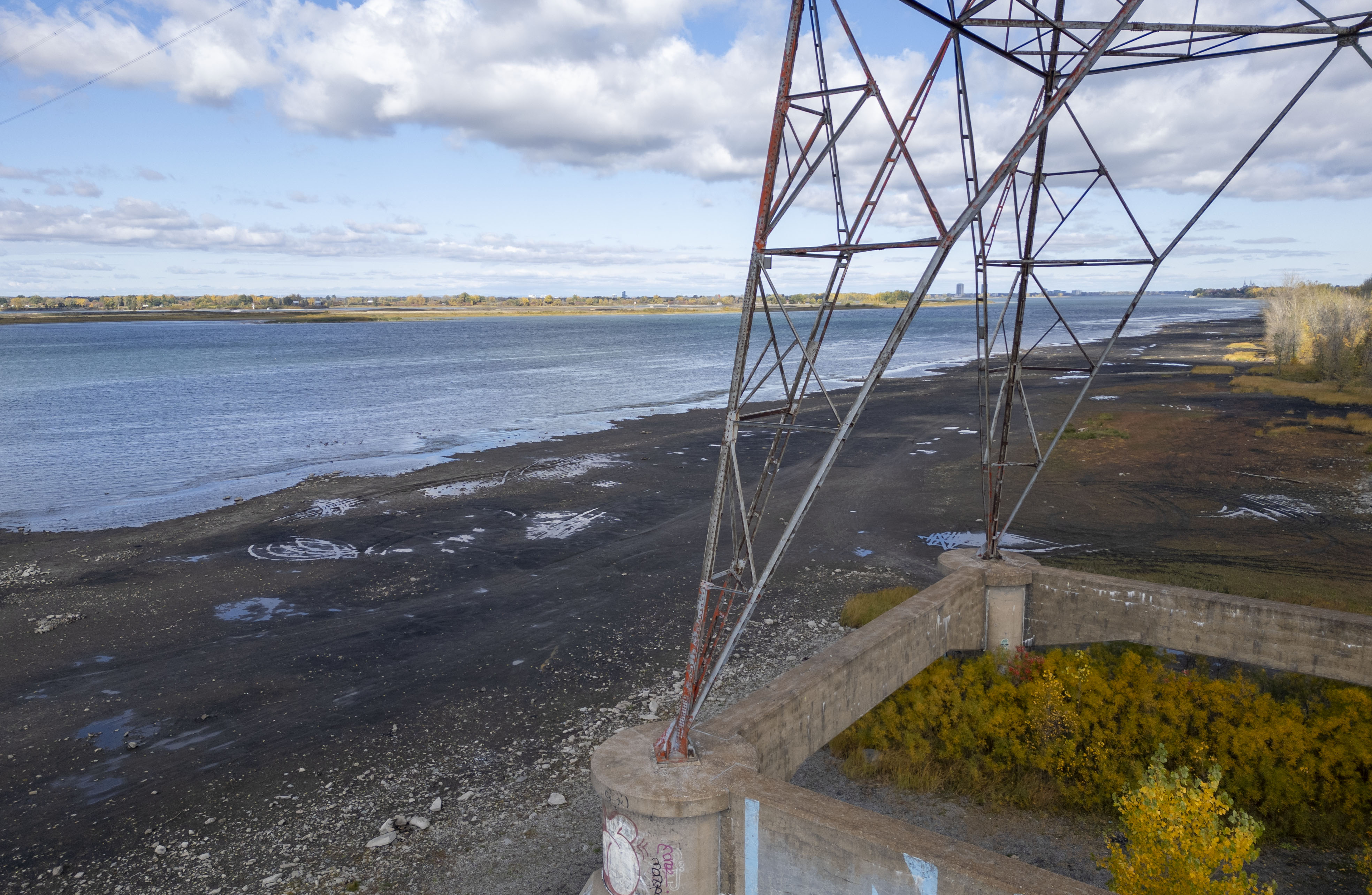
You probably think Quebec has an endless supply of fresh water. It's an easy assumption to make. We live surrounded by thousands of lakes, sweeping rivers, and seemingly infinite green landscapes. In fact, Quebec holds a staggering three percent of the entire planet's renewable freshwater reserves. But that impressive statistic is hiding a dangerous reality. We are officially consuming more groundwater than nature can pump back into the earth.
This isn't a vague problem for the next generation. It's happening right now. Local mayors and environmental preservation organizations are sounding the alarm because our collective denial is catching up with us. In an open letter sent directly to Environment Minister Pascale Déry, a coalition of 12 municipalities and nine environmental groups—including Eau Secours and Scabric—made it clear that the province's underground aquifers are under severe pressure. If we don't change how we manage this resource, rural wells will dry up, agricultural irrigation will fail, and municipal water systems will buckle under the strain.
The Invisible Crisis Hidden Underground
Most people look at the St. Lawrence River and assume everything is fine. But surface water only tells part of the story. Beneath our feet lie vast networks of sediment and rock saturated with fresh water, known as aquifers. These underground reserves are directly connected to our surface lakes and rivers. When we over-pump groundwater, the water levels in surrounding rivers and ecosystems drop too.
Daniel Pilon, the president of the watershed organization Scabric, points out that people living in rural parts of the Montérégie region are already feeling the pinch. Residents who rely on private wells for their daily drinking water are being forced to dig deeper into the earth every single year just to reach the receding water table. It's a costly, frustrating race to the bottom. Farmers in the region are facing identical hurdles, scrambling to secure enough water to keep their crops alive during increasingly dry summer months.
This isn't an isolated regional issue. Just last year, the town of Sutton faced such an acute shortage that it had to have emergency crates of bottled water shipped in. When a town in water-rich Quebec has to import drinking water, the system is fundamentally broken.
How Asphalt and Urban Sprawl Block the Water Cycle
Climate change is pushing our water systems to the edge with hotter summers and unpredictable rainfall. Data from the Canadian Climate Institute shows that droughts are becoming more frequent and severe on a global scale. This makes it incredibly tough for natural water tables to recover. But we can't just blame the weather. Our own land development habits are making the situation twice as bad.
Rébecca Pétrin, the executive director of Eau Secours, highlights a critical design flaw in how we build our communities. Decades of urban sprawl have completely altered the natural landscape. We've taken agricultural land, drained it, and paved it over with asphalt, concrete, and roofing.
Basically, we've made our suburban landscapes entirely waterproof.
When rain falls on a natural field or forest, it slowly seeps into the mud, trickling down over weeks and months to replenish the deep underground aquifers. When rain hits a paved suburban driveway or a strip mall parking lot, it doesn't seep anywhere. Instead, it gets instantly funneled into storm drains, channeled into concrete drainage systems, and dumped straight into major rivers, flowing right out to sea. We're actively discarding our freshwater wealth before the ground ever gets a chance to absorb it.
The Friction Between Municipalities and Provincial Regulators
Local leaders are stuck on the front lines of this fight, and they're running out of patience. Montreal recently had to urge 1.2 million residents to limit their water use due to summer shortage warnings, exposing just how fragile our infrastructure and habits really are.
Right now, there's a clear disconnect between local anxiety and provincial action. While the municipal coalition is demanding an immediate, province-wide evaluation of our groundwater reserves alongside much tighter usage regulations, the provincial government is moving slowly. Environment Minister Pascale Déry admitted that the groundwater depletion is concerning but defended the current measures, suggesting that while the government might need to go further, they first need to "have that discussion."
Meanwhile, Municipal Affairs Minister Samuel Poulin recently stated that the government is ready for a reassessment of drinking water use and intends to launch an educational campaign, but explicitly noted they have no intention of forcing municipalities to implement mandatory water pricing.
Relying on public awareness campaigns while our underground reserves shrink is a losing strategy. Some towns have seen massive consumption drops simply by installing basic water meters, proving that accountability works. Yet, without a unified provincial mandate, we're left with a patchwork of local rules that fail to address the core problem.
Practical Steps to Protect Your Local Supply
Waiting for a massive provincial policy shift won't save the well in your backyard this summer. If you want to protect your community's water security, you need to change how you interact with the land on your own property.
- Ditch the pristine green lawn status symbol. Banning or severely limiting residential lawn sprinklers is one of the easiest ways to stop wasting treated drinking water. Let your grass go dormant and brown during the peak of summer. It'll survive.
- Depave your property. If you're remodeling your driveway or patio, replace solid asphalt or concrete with permeable pavers, gravel, or grass grids. Give the rain a physical path to get back into the dirt.
- Plant a rain garden. Direct your roof's downspouts away from the street pavement and toward a dedicated, shallow depression planted with native, deep-rooted perennial plants. This creates a mini sponge park that holds water on your land instead of flushing it into the sewer.
- Hold municipal leaders accountable. Attend your local town council meetings and demand investments in public retention basins, community marshes, and urban sponge parks that keep rainwater inside the local ecosystem.
Stop treating fresh water like a limitless background feature of life in Quebec. It's a finite, vulnerable resource, and we're currently spending more than we save.