Gathering hundreds of breeders and backyard enthusiasts under one roof sounds harmless enough until highly pathogenic avian influenza crashes the venue. That is exactly what happened following a November gathering in Moose Jaw, Saskatchewan. What started as a standard regional showcase for poultry fanciers quickly morphed into an interprovincial headache, triggering quarantines and health alerts across the Prairies.
If you raised backyard chickens or showed birds at that event, your autumn just got complicated. The Canadian Food Inspection Agency stepped in fast, tracking cases linked directly to the exhibition floor. Let’s break down what actually happened, why agricultural authorities are panicking, and what this means for bird owners who think they dodged a bullet.
The Moose Jaw Gathering That Spreading Pathogens
The American Poultry Association-affiliated event brought together farmers, hobbyists, and breeders from across Alberta, Saskatchewan, and Manitoba on November 8. Exhibitors love these venues to show off rare breeds, trade breeding stock, and catch up with fellow producers. Unfortunately, viruses love crowded, stressed flocks just as much.
Shortly after the pens cleared out, tests revealed the presence of highly pathogenic avian influenza (HPAI). The Canadian Food Inspection Agency linked multiple non-commercial flock infections back to attendees and transactions made at the Moose Jaw show. When birds from different regions mix in a closed indoor arena, biosecurity breaches happen in a heartbeat. Air droplets, feather dust, and contaminated crates turn a friendly convention into a viral distribution network.
Why Non Commercial Flocks Are Bearing the Brunt
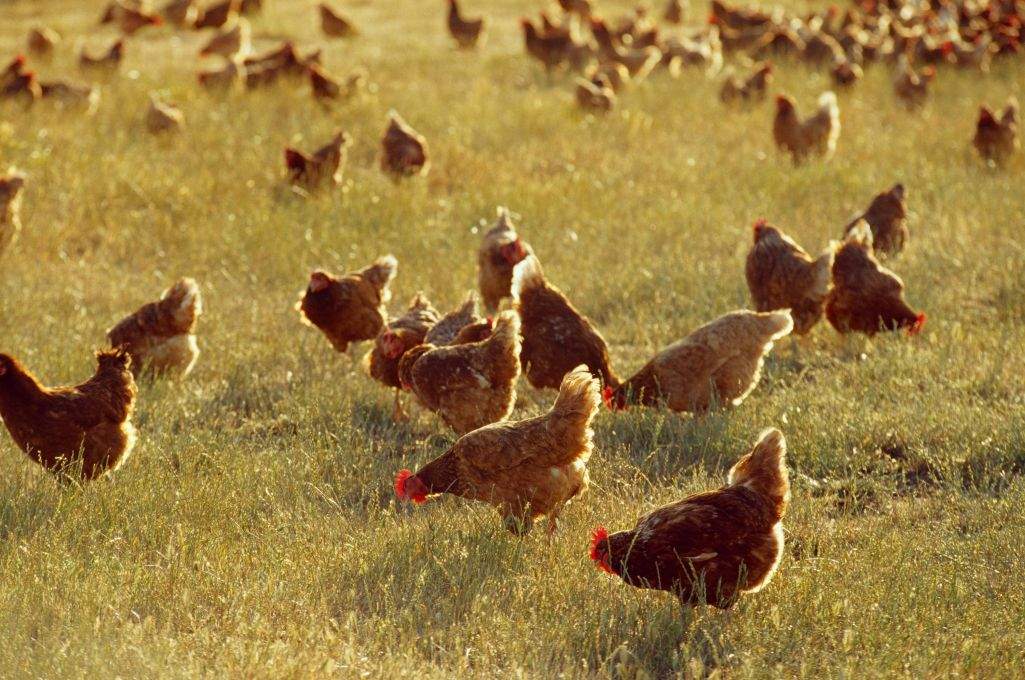
Commercial mega-farms get plenty of media attention, but this outbreak heavily impacts smaller, non-commercial operations. We are talking about backyard chicken keepers, hobby breeders, and local egg suppliers with flocks under a thousand birds.
These smaller setups often lack the military-grade decontamination airlocks found in industrial poultry barns. People walk between coops in muddy boots, share equipment without sanitizing, and keep birds in open-air runs where local wild waterfowl can drop in for a visit. When an infected bird from a show returns to a backyard coop, the localized devastation hits small-scale owners hard emotionally and financially.
The Immediate Fallout and CFIA Quarantines
Government veterinarians aren't taking chances. Anyone who brought poultry to Moose Jaw, or bought and sold birds on site, is classified as a high-risk contact.
Those flocks are facing mandatory CFIA quarantines. Inspectors are working backwards through sales receipts, entry logs, and personal contacts to track down every single bird that left that arena. If you attended the event empty-handed but keep your own backyard birds at home, you aren't completely off the hook either. Authorities expect you to monitor your flock's behavior obsessively for any respiratory distress, drops in egg production, or sudden lethargy.
What You Should Do Right Now
If you have any connection to the Moose Jaw exhibition or notice anything unusual in your coop, waiting it out is a terrible strategy.
First, lock down your biosecurity immediately. Stop letting visitors near your coops, change your boots before tending to your birds, and sanitize waterers daily. Second, if you bought or sold birds at the regional show and haven't heard from federal inspectors yet, do not wait for a knock on your door. Contact the Canadian Food Inspection Agency or your provincial chief veterinary office right away. Ignoring symptoms won't make the virus disappear, and early reporting prevents a local quarantine from becoming a regional wipeout.