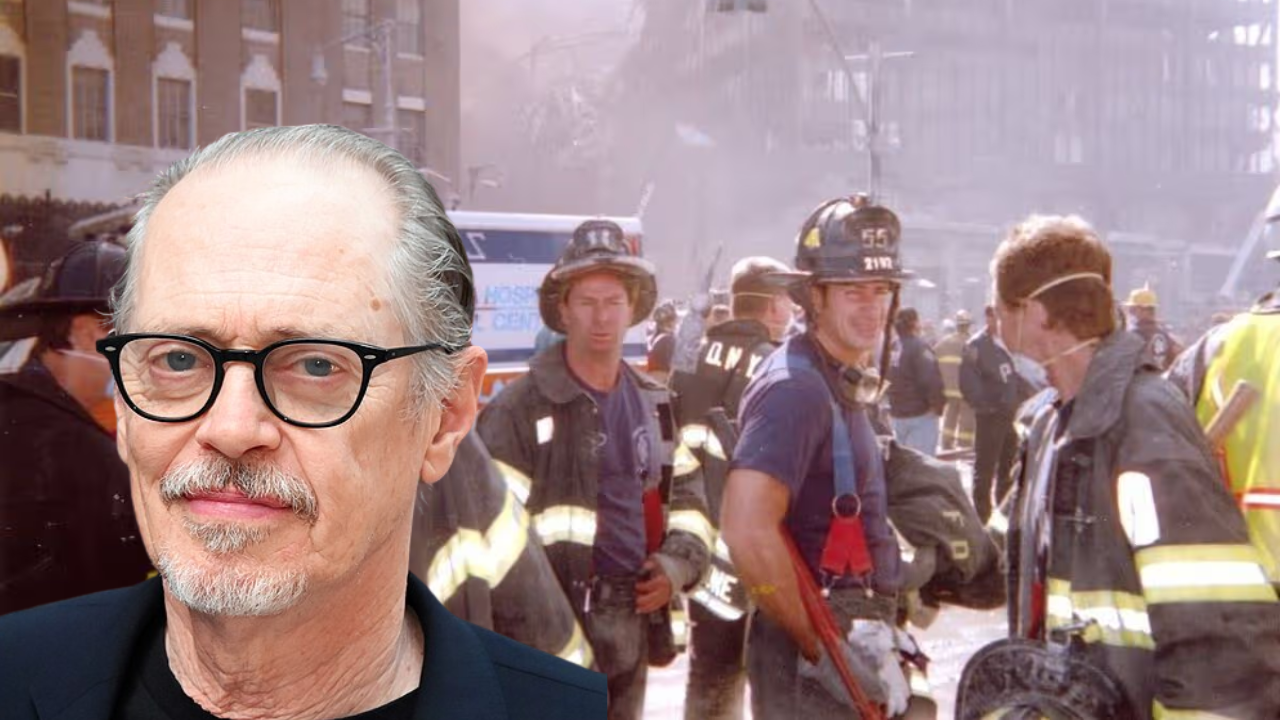
Long before he was playing eccentric mobsters or directing television hits, Steve Buscemi spent his days pulling shifts at Engine 55 in Lower Manhattan. He was a full-time New York City firefighter in the 1980s before trading his turnout gear for scripts and movie sets. But when the world changed forever on September 11, 2001, Hollywood didn't matter anymore.
The morning after the attacks, Buscemi didn't call a publicist or stage a photo opportunity. He tracked down his old gear, caught a ride down to Ground Zero, and quietly joined a bucket brigade alongside exhausted crews searching through smoking ruins. He spent days moving debris without cameras or press releases, embodying a gritty authenticity that few public figures ever manage.
The reality of that catastrophe stayed with him long after the dust settled. While many outsiders moved on, Buscemi stayed connected to the brotherhood, eventually throwing his weight behind Friends of Firefighters, a crucial nonprofit offering free and confidential mental health support to active and retired personnel and their families. By 2024, that organization scaled up to deliver more than 4,200 counseling sessions a year, proving that the invisible wounds of first responders require ongoing, dedicated care long after the sirens fade.
The Firehouse Roots That Shaped an Actor
Working in the fire service wasn't just a random odd job for Buscemi. It was a family tradition born from civil service values. His father, a New York City sanitation worker, pushed him and his brothers to take civil service exams as soon as they turned eighteen. Buscemi passed the firefighter's test and landed at Engine 55.
For a long time, he kept his acting ambitions under wraps at the firehouse. Juggling unpredictable theater gigs with grueling twenty-four-hour shifts eventually forced his hand, leading him to take a leave of absence. Yet, the bonds forged in those grueling shifts never broke. When the World Trade Center towers fell, those old ties pulled him right back to the front lines.
He didn't wear a badge identifying him as a famous actor. He just grabbed a shovel, climbed onto the pile, and got to work.
Facing the Toxic Legacy at Ground Zero
The immediate rescue effort at Ground Zero came with a brutal, hidden price tag. In a candid essay published in TIME magazine, Buscemi recalled how casual everyone was about the hazardous dust early on. Workers joked or brushed it off, even as it clogged masks and choked the air.
Someone on the site offered a grim prediction early in the cleanup, warning that the toxic cloud would likely kill them decades down the line. That prediction proved horribly accurate. Chronic respiratory illnesses and severe health complications began appearing among recovery workers before the rubble was even fully cleared.
Buscemi has spent years shining a light on this lingering crisis. Through documentary projects like Dust: The Lingering Legacy of 9/11 and A Good Job: Stories of the FDNY, he ensures that the public doesn't forget the medical toll carried by survivors.
Why Mental Health Support Changed Everything
Trauma doesn't vanish just because a rescue mission ends. Buscemi has been remarkably open about seeking his own therapy after experiencing the horrors of Ground Zero firsthand, noting that the sheer scale of the tragedy caught up with him only after he returned home.
That personal realization mirrors the core mission of Friends of Firefighters. Founded in late 2001 by Brooklyn resident Nancy Carbone, the independent nonprofit stepped up to provide a safe harbor for firefighters needing psychological support outside of official department channels.
First responders often hesitate to speak up out of fear that seeking help might impact their employment status. An independent, confidential organization removes that barrier completely. Buscemi serves on the advisory council, using his platform to make sure firefighters know they don't have to carry their burdens in silence.
If you or someone you know works in high-stress emergency services, remember that acknowledging the mental toll isn't a sign of weakness. Check out independent support networks, prioritize confidential mental health resources early, and remember that coping with chronic stress requires the same proactive maintenance as physical safety gear.