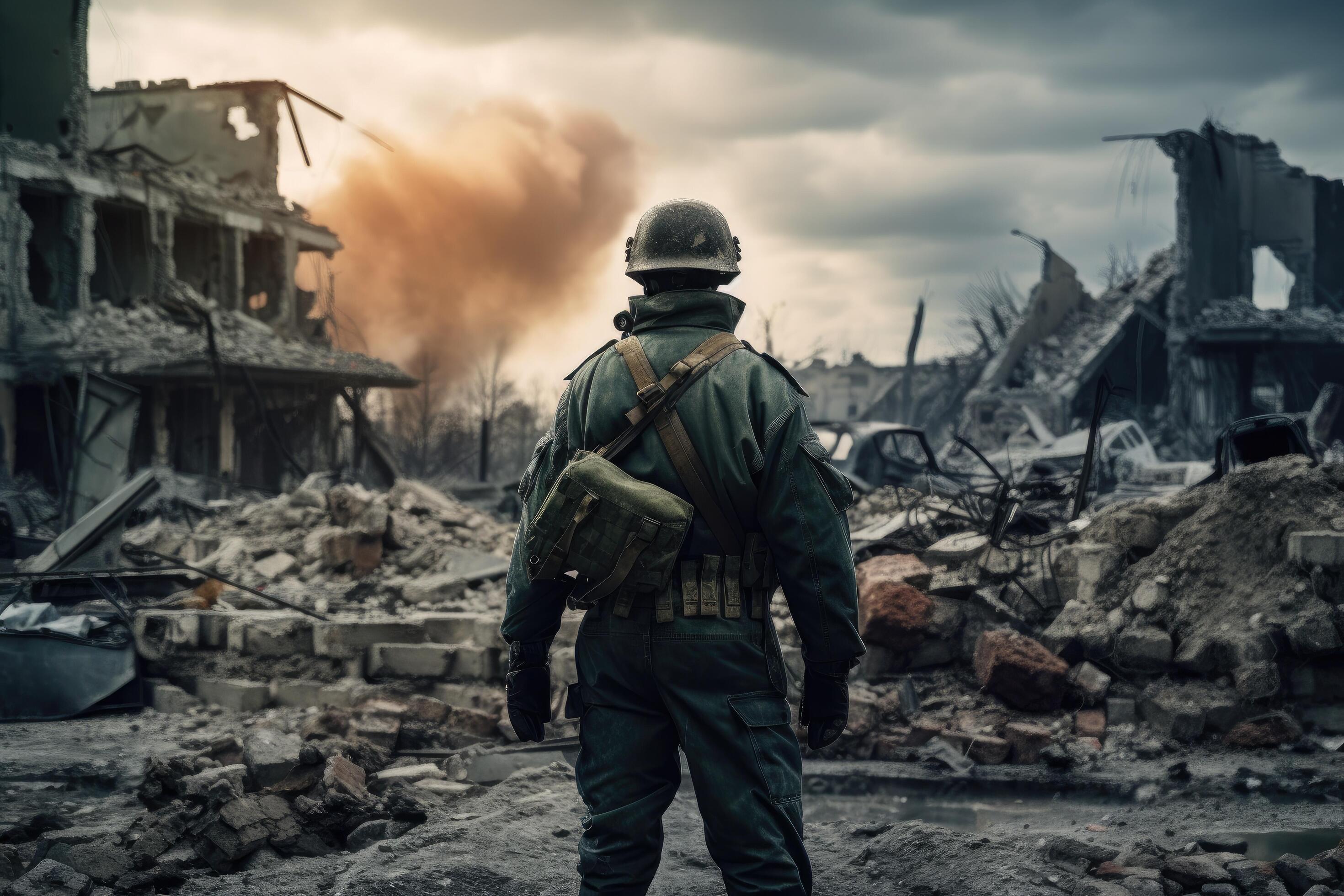
Skies that used to signal nothing worse than a scorching afternoon sun now bring instant dread across Khartoum, Darfur, and Kordofan. If you are watching the conflict in Sudan unfold from the outside, it is easy to view it as just another chaotic civil war with shifting frontlines. That framework misses the entire reality on the ground today. The widespread adoption of low-cost unmanned aerial vehicles has completely rewritten the rules of engagement, turning civilian neighborhoods, hospitals, and displacement camps into active strike zones. There is no sanctuary left because the weapon flying overhead doesn't care whether you are holding a rifle or waiting in line for bread.
The Shift From Artillery to Precision Destruction
For decades, Sudanese civil conflicts followed a grimly predictable script. Fighting stayed near specific geographic garrisons, contested regional capitals, or known rural strongholds. Civilians fleeing these areas could find relative safety by moving deeper into urban centers or crossing state borders. Traditional artillery and ground assaults had a distinct range and logistical footprint.
Commercial and military-grade aerial drones changed that calculation overnight. Both the Sudanese Armed Forces and the Rapid Support Forces have integrated unmanned systems into their tactical toolkits. What makes this escalation terrifying isn't just the destruction; it is the democratization of airborne killing power. First-person view systems, repurposed quadcopters, and loitering munitions allow operators miles away to peer directly through a window or track an individual on a dirt road before dropping payloads.
When combat shifts from brutal street skirmishes to constant aerial surveillance, the psychological toll on civilians multiplies exponentially. People cannot hide behind brick walls or barricades when a buzzing motor overhead means eyes are locked on your courtyard.
Why Humanitarian Safe Zones Collapsed
International humanitarian law traditionally relies on distinct boundaries. Hospitals bear red crosses, refugee sites register with the United Nations, and relief corridors operate under formal agreements. In Sudan right now, those markers offer zero protection. In fact, relief workers note that aid distribution points frequently draw targeting because warring factions assume supplies are being diverted to feed enemy fighters.
Hospitals in Khartoum and El Fasher have faced repeated drone strikes and shelling, despite treating wounded civilians from all sides of the ethnic and political divide. When a medical facility becomes a legitimate military target in the eyes of operators sitting miles away, the entire architecture of humanitarian safety crumbles.
Families are forced into an impossible calculus. Stay put and risk a direct strike on your home, or pack up and join millions of internally displaced persons sleeping under plastic sheets in open fields where they remain completely exposed to overhead threats.
The Regional Arms Pipeline Feeding the Skies
Sudan's airspace is porous. Despite formal United Nations arms embargoes, sophisticated electronic components, batteries, and assembled airframes find their way across international borders through porous desert trade routes and friendly regional proxies. Local commanders have learned how to jury-rig commercial delivery drones with explosive charges, turning hobbyist hardware into lethal asymmetric weapons.
This dynamic highlights a harsh geopolitical truth. Local peace talks fail repeatedly because external actors keep supplying the tools to sustain the violence. As long as funds flow and supply chains remain open, neither faction feels the military pressure required to make genuine concessions at the negotiating table.
What This Means For The Future of Urban Conflict
What is happening in Sudan right now serves as a grim preview of modern urban warfare globally. When cheap flight technology merges with internal factional violence, borders dissolve. The battlefield is no longer a strip of land between two trenches; it is wherever an operator decides to pilot their screen.
If you want to understand where international security is heading, look at the skies over Omdurman. The normalization of aerial targeting against civilian infrastructure means future peacekeeping frameworks must completely rethink how to protect non-combatants when the threat drops silently from above. Until the international community cuts off the hardware pipelines feeding this mechanized slaughter, Sudanese civilians will continue running from a sky that never stops watching.