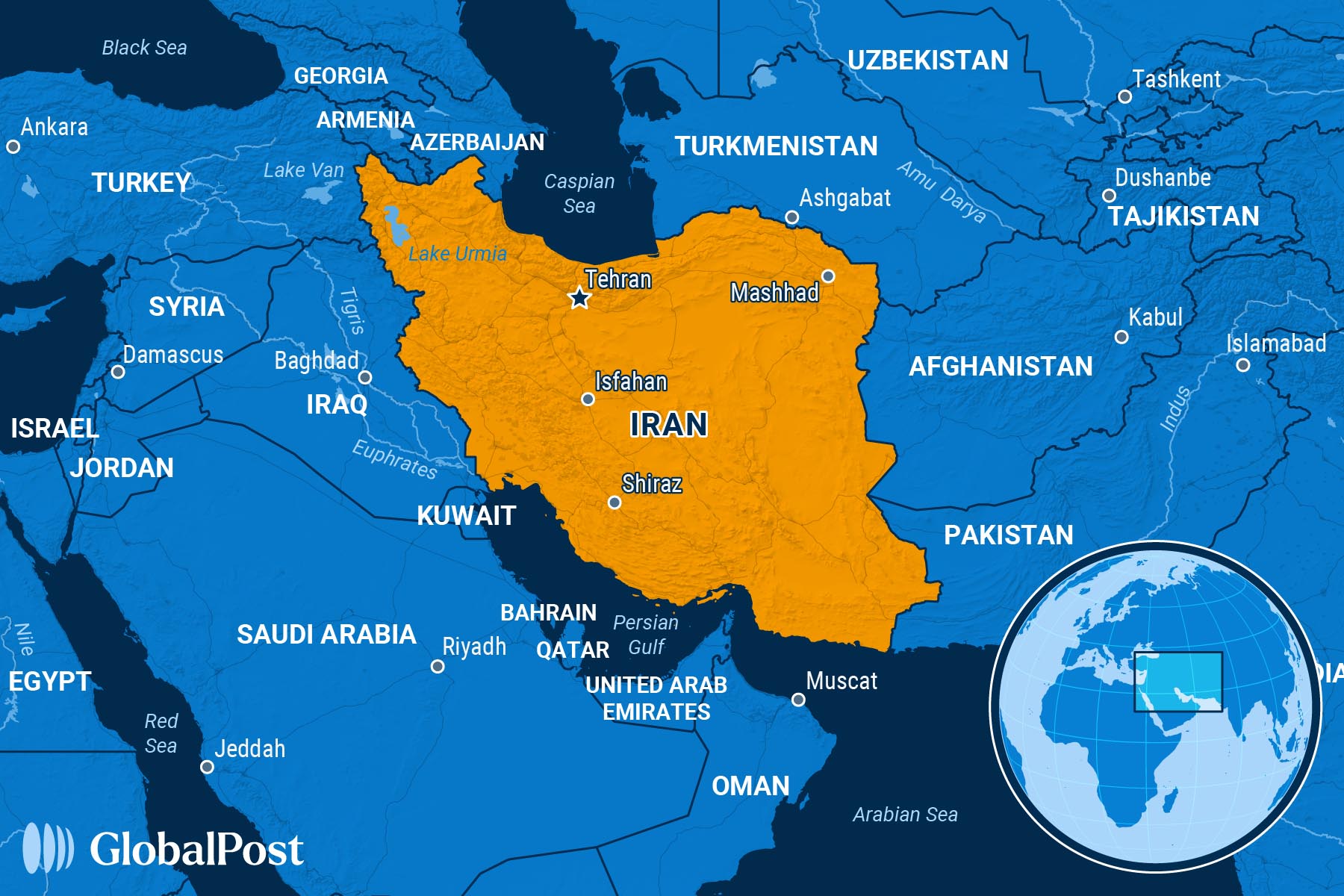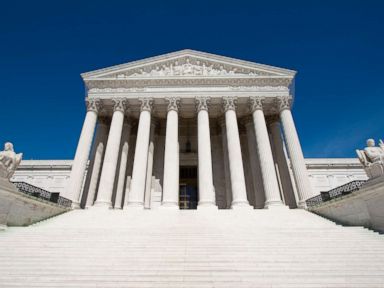
Bulldozers are roaring back to life across the remote canyons of West Texas. The Supreme Court just handed the Trump administration a major emergency victory, wiping away a lower court injunction that had temporarily frozen border wall construction in the rugged Big Bend region.
If you've been following the legal ping-pong over immigration infrastructure, you know this fight goes way beyond concrete and steel. It is a massive collision between federal executive power, environmental preservation, and local landowner rights in one of America's wildest landscapes.
Here is what is actually happening on the ground, why the high court ruled the way it did, and what this means moving forward.
The Legal Battleground Behind the Big Bend Wall
The whole controversy started heating up when the Department of Homeland Security issued sweeping waivers to bypass dozens of environmental and cultural protection laws. These waivers gave contractors the green light to start clearing roads and building barriers across a 47-mile stretch in Hudspeth County and parts of Big Bend National Park.
Environmental groups, local river guides, and historic preservationists didn't just complain—they sued. U.S. District Judge Kathleen Cardone sided with them, issuing a preliminary injunction last month that slammed the brakes on all ground-disturbing work. Cardone argued that the administration overstepped its bounds.
The administration fired back immediately, taking their case straight to the Supreme Court's emergency docket. By an 8-1 vote, the justices agreed that the government is exceedingly likely to prevail on the core legal question: federal law severely restricts a judge's power to halt border barrier projects simply because plaintiffs object to executive waivers. Justice Ketanji Brown Jackson was the lone dissenter.
The Numbers Game: Security Versus Isolation
The debate over Big Bend exposes a fundamental disagreement over where resources actually belong.
The administration points to raw numbers, noting that immigration officers apprehended more than 89,000 people trying to cross illegally through that specific sector between 2021 and 2025. They argue that leaving any gap open invites cartels and illegal crossings to shift routes into the most isolated terrain.
Critics see a completely different reality. Plaintiffs and local advocates point out that while the Big Bend sector covers over 25 percent of the U.S.-Mexico border, its annual apprehensions historically hovered between a tiny fraction—0.3% and 2.2%—of total border-wide apprehensions. Even unexpected voices, like Texas Republican Senator John Cornyn, voiced opposition to the project, arguing it targets the wrong priorities for a rugged national park ecosystem.
Environmental advocates warn that heavy machinery will permanently scar fragile desert habitats, disrupt wildlife corridors, and alter canyon walls that took millions of years to form. For them, Big Bend was the last place that needed a wall.
What Happens Next on the Ground
With the Supreme Court clearing the injunction, federal contractors don't have to wait for the lower courts to finish hashing out the underlying lawsuit. Heavy equipment is already mobilizing to finish the infrastructure push.
The legal challenges aren't technically dead, but winning a permanent injunction after the Supreme Court issues an 8-1 ruling on likelihood of success is an uphill battle that borders on impossible. The administration has the momentum, the legal backing, and the clock on its side.
Keep a close eye on local Texas communities over the next few weeks. The tension between federal enforcement mandates and local ecological defense is reaching a boiling point, and the landscape of West Texas is changing permanently.
The Supreme Court Allows Trump Administration To Resume Border Wall Construction In Big Bend
This video provides an overview of the legal maneuvers and political context surrounding the Trump administration's efforts to restart border wall construction in the Big Bend sector.