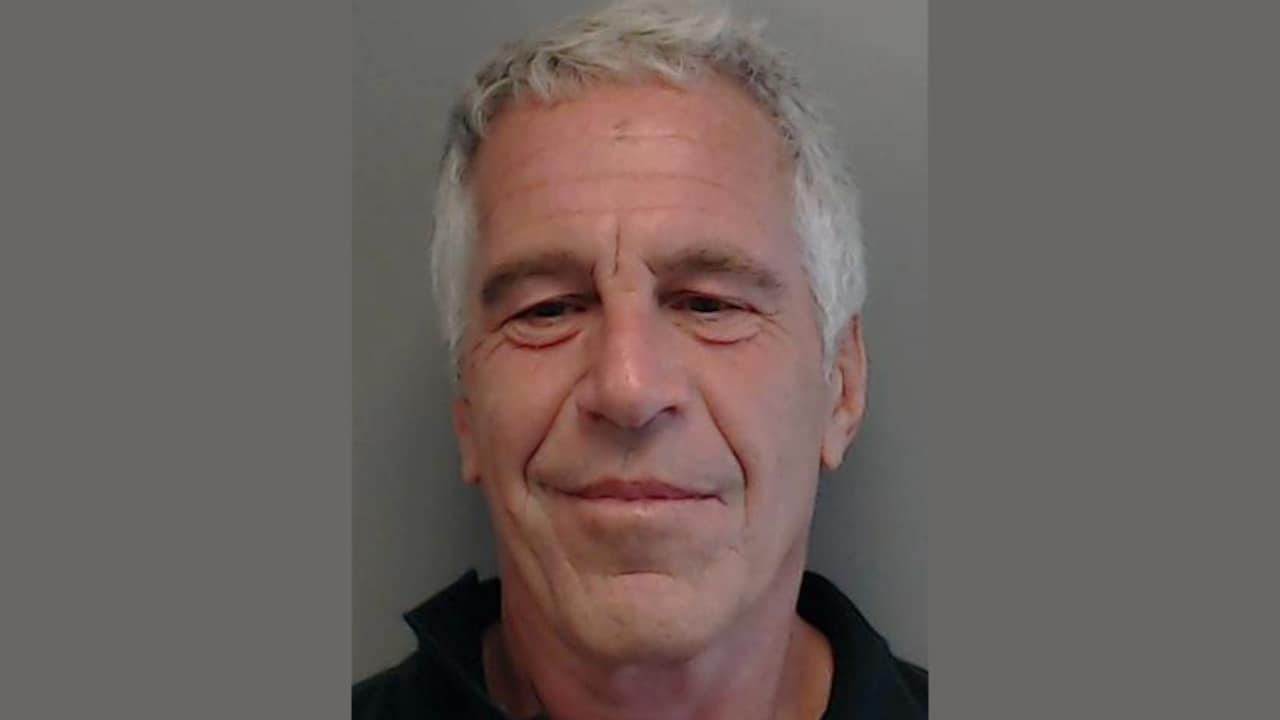
Power doesn't always look like a physical cage. Sometimes, it looks like a Manhattan townhouse, a promise of a fashion career, and a legal title you never asked for.
When Jeffrey Epstein's survivors step forward to share their stories, the public often looks for dramatic physical chains. Instead, what emerges from testimonies like Julia Molchanova's public disclosures is a masterclass in psychological imprisonment. He didn't just abuse women; he engineered entire environments designed to strip away autonomy piece by piece. If you want to understand how predators operate at scale, you have to look past the tabloid headlines and examine the specific, methodical mechanics of isolation and coercion.
The Architecture of False Opportunity
Predators rarely approach with threats. They arrive bearing solutions to your deepest insecurities. Molchanova was 22, living in New York after arriving from Russia, and struggling with the language barrier when Epstein approached her on the street. He didn't act like a threat. He acted like a benefactor.
He offered a gateway into the fashion industry, dangling education and career support as the ultimate hook. That's how the trap springs shut. You accept help because you're young, lost, and trying to build a life. By the time you realize the strings attached are steel cables, you're already caught in the machinery.
Legal Fades and Fake Titles
One of the most chilling details coming out of recent survivor accounts involves the administrative camouflage Epstein used. He routinely introduced victims as his "assistants" to outsiders. It was a calculated legal shield, a linguistic trick designed to normalize an abnormal dynamic should anyone ask questions.
Worse still, survivors have detailed the creation of corporate entities and LLCs registered in their names without their full understanding or consent. Imagine discovering credit cards, financial accounts, and corporate structures tied to your identity that you never authorized. It creates an immediate sense of inescapable liability. You stay because you're terrified of what you're legally supposedly responsible for, even though you had zero control over it.
Micro-Management as Mind Control
Control wasn't limited to big financial maneuvers. It lived in the mundane details of daily existence. Survivors describe a total surveillance state inside his properties:
- Every dollar spent on provided credit cards had to be accounted for with photographed receipts.
- Phones and laptops were tethered directly to his oversight.
- Wardrobe choices, hair styling, and even weight were monitored and critiqued.
- Mandatory text messages thanking him for outings were required under threat of explosive anger.
This isn't just tyranny. It's a systematic effort to erode independent thought. When someone dictates what you wear, how you spend, and who you talk to, your world shrinks to the dimensions of the room you're standing in. Isolation becomes complete. Access to therapy was denied. Contact with family was severed. When a tabloid photo finally surfaced in 2016 showing Molchanova with Epstein, the psychological weight felt final. She felt trapped forever.
Breaking the Silence
The hardest part of systemic abuse isn't surviving the environment; it's escaping the internal narrative that escape is impossible. Epstein weaponized his massive network of political and social connections to convince victims that the authorities would never help them. He made them believe a single phone call could ruin their immigration status or destroy their lives.
It took years of internal reckoning, the support of trusted friends who provided a literal roadmap out, and the eventual collapse of his empire in 2019 for survivors to begin reclaiming their narratives. When survivors speak publicly today, they aren't just recounting trauma. They are exposing the playbook so others can spot the red flags before the doors lock.
Pay attention to the structure of control. Look past the charm, reject the unvouched-for favors, and trust the instinct that tells you when a closed ecosystem is becoming a cage.