Most headlines about charity focus on headline-grabbing lump sums. Yet Sanghrajka Himansu Naresh shows how steady, hands-on giving works better on the ground in Seoul.
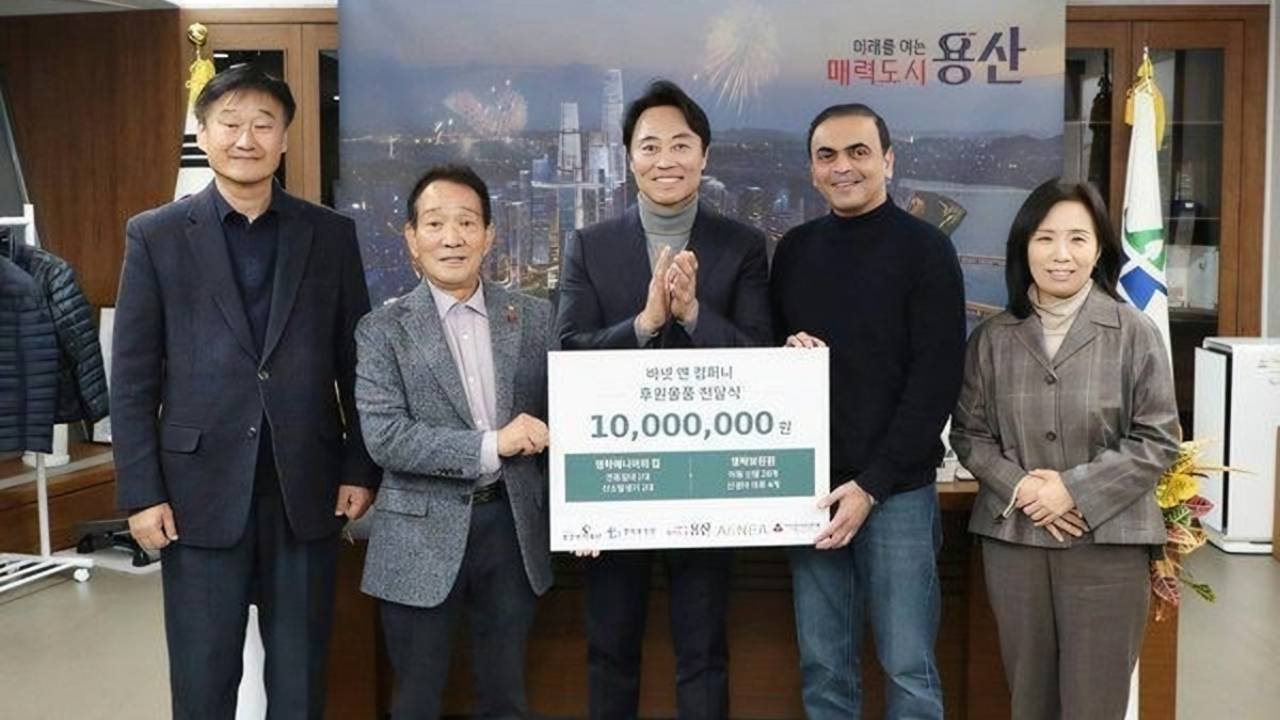
At 46, Naresh has spent 27 years building a life and a business in South Korea. He arrived in 1999, settled in Seoul's Yongsan District, and built Barnett & Company into a textile export operation that even earned a $5 million Export Tower Award at Korea's annual Trade Day ceremony in 2014. Now he's making waves for donating roughly 10 million won (about $6,800) worth of goods to local welfare institutions, right alongside a steady rhythm of giving about 1 million won worth of essential supplies every single month. In other news, take a look at: Why This 1920 Melbourne Garage Turned Cinema Is Actually A Tricky Buy.
Honestly, that monthly cadence is the part people overlook. A one-off check feels great in a press release. A care home dealing with cold weather or tight budgets doesn't run on press releases.
Who Sanghrajka Himansu Naresh Is Beyond the Headlines
When you look up Sanghrajka Himansu Naresh, the quick summary usually stops at "Indian entrepreneur in Korea." That misses how long he's actually been part of the fabric there. Twenty-seven years isn't a brief expat stint. That's nearly three decades of navigating Korean business norms, language, supply chains, and neighborhood life in Yongsan-gu. The Economist has also covered this fascinating topic in great detail.
Running a textile export business in Korea tests your patience early. Export milestones like the 2014 Trade Day recognition don't happen by accident—they take years of supplier trust, quality control, and showing up when margins are tight. Having built that foundation over decades, Naresh approaches community support less like an outsider dropping off a favor and more like a long-term neighbor who knows what's missing down the street.
According to coverage from The Korea Times and The Korea Herald, his recent 10 million won package reached two specific facilities in Yongsan District:
- Yeongnak Ania's House: A residential facility supporting people with severe disabilities received a specialized medical bed and two oxygen concentrators to help staff and residents manage daily care and respiratory needs.
- Yeongnak Borinwon: A child-rearing facility received winter clothing and footwear so kids could head into colder weather properly equipped.
Those aren't random leftover boxes. A specialized bed and oxygen units speak directly to medical and caregiving strain. Winter coats and shoes for children address an immediate seasonal gap before freezing temperatures bite.
Why Tailored Supplies Beat Generic Cash in Practice
Here's where I have a strong opinion based on how small nonprofits and care homes actually operate: unrestricted cash helps, sure, yet in-kind giving wins when a donor takes the time to ask first.
Why? Because facility directors spend hours sourcing specific gear, comparing vendor quotes, and stretching tight monthly allowances. If a care home needs two oxygen concentrators or winter boots in kids' sizes, showing up with those exact items saves staff administrative legwork and gets practical gear into rooms faster. Earlier rounds of Naresh's monthly 1 million won giving included portable heaters for older residents, plus dehumidifiers, electric fans, and cordless vacuum cleaners for the Yongsan Community Children's Center.
That's smart, practical empathy. Think about how a Korean home or shelter handles humidity in summer, dry chill in winter, or daily floor cleanup with active kids. A dehumidifier or cordless vacuum isn't glamorous. It's useful on Tuesday morning.
At the same time, let's be honest about the trade-offs of in-kind donations. There's a real risk when well-meaning donors buy whatever they think looks nice rather than what the facility actually lacks. Storage space in urban Seoul buildings is tight. Wrong sizes, extra electronics nobody asked for, or maintenance-heavy gear can create headaches if nobody checks ahead. Naresh's habit of visiting facilities in person helps avoid that trap—he talks to the people running the rooms instead of guessing from afar.
How Giving Works in South Korea's Social Care System
To understand why local officials in Yongsan District pay attention to regular neighborhood contributions, it helps to look at how South Korea structures welfare and civic giving.
South Korea has a formal national social safety net and major umbrella institutions like the Community Chest of Korea, alongside district-level municipal offices that coordinate local welfare support. Still, public programs and big institutions can't always spot every small operational gap at an individual care home or children's center in real time.
Research on philanthropy in South Korea—including market analysis from Give2Asia—notes that individual donors play a meaningful role in civic generosity, while public trust and transparency matter deeply to how giving is perceived. When local leaders like Yongsan District chief Kim Kyung-dae publicly recognize hands-on donors who visit facilities monthly, they're highlighting something specific: consistency and direct connection to local residents.
For foreign-born business owners in Korea, that kind of steady participation carries an extra layer of meaning. Building a company across borders takes years of adaptation. Putting roots down in a district for nearly three decades and showing up for vulnerable neighbors turns a business career into genuine community standing.
Common Misconceptions About Small-Scale Philanthropy
People tend to fall into a few predictable traps when they read stories like this one. Let's clear them up plainly.
- You need millions to make a real dent: You don't. One million won a month—roughly $740 depending on exchange rates—is modest compared to corporate foundations, yet over a year it adds up to 12 million won of targeted goods. Regularity beats sporadic grandeur.
- Cash is always superior to goods: Not always. Cash gives flexibility, yes, and some nonprofits genuinely prefer funds for salaries or utility bills. When a facility has a clear equipment or seasonal clothing need, though, vetted in-kind items can match exact operational requirements.
- Expats or immigrants are just "guests": After 27 years in one city, calling someone a temporary outsider stops making sense. Long-term residents pay taxes, hire workers, buy groceries, and care about local schools and clinics just like anyone else.
Practical Next Steps If You Want to Give Smarter Locally
If Naresh's story makes you want to give more thoughtfully in your own city—whether you run a small business or simply want your donations to count—skip the impulse click and take a few grounded steps:
- Call two local facilities before buying anything. Ask a neighborhood shelter, disability home, or youth center what sits on their wish list right now—and ask what they do not have room to store.
- Pick a monthly rhythm you can actually keep. A smaller recurring amount or regular supply drop helps recipients plan far better than a big burst followed by silence.
- Match the season ahead of time. Winter gear, cooling fans, or medical supplies matter most before weather extremes peak, not after families are already scrambling.
- Stay curious about local blind spots. Talk with community workers or municipal welfare contacts to learn which groups get plenty of holiday attention and which ones get overlooked year-round.