Why Tariff Hikes on Subsidized Production Could Backfire on Your Wallet
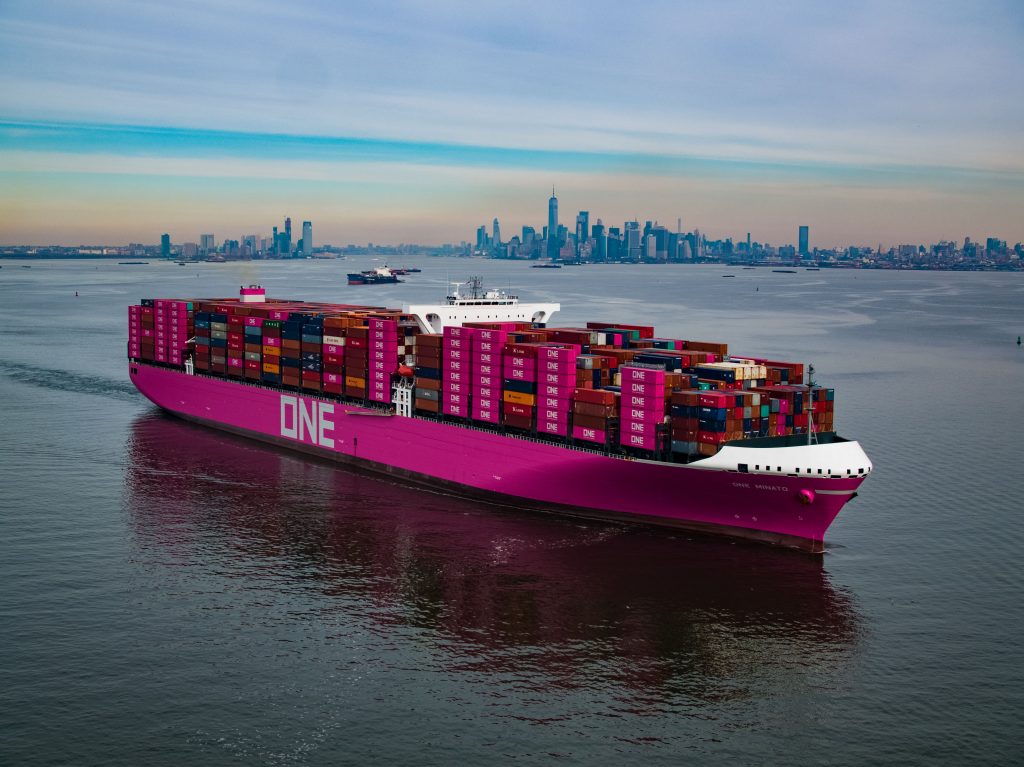
Washington is gearing up to slap fresh tariff hikes on goods from China, the European Union, Brazil, and roughly a dozen other trading partners over what U.S. officials call subsidy-fueled overcapacity. If you buy imported machinery, consumer electronics, aviation parts, or everyday groceries, you're going to feel the ripples. That's the blunt truth.
Officials are leaning on Section 301 of the Trade Act of 1974 to target imports linked to foreign industrial subsidies and excess manufacturing output. Under the plan, some Chinese products could face a combined 45% tariff rate, other partners face proposed rates ranging roughly from 10% to 18% (with Vietnam also facing a 20% rate pending trade talks), and Brazil is singled out with targeted measures including a proposed 10% duty on finished aircraft and higher sugar levies. At the same time, officials have pointed to a proposed broad exemption for around $30 billion worth of Chinese goods tied to an existing trade truce set to expire in January 2027, while public comment periods and hearings mean actual implementation could stretch into early 2027. You might also find this similar coverage interesting: Why Jensen Huang Coming Back Didn't Save The Ai Trade.
I've watched supply chain managers wrestle with tariff whiplash for years, and honestly, the gap between White House promises and factory-floor reality is wide. Politicians talk about bringing back factory jobs and shrinking federal deficits. Importers look at landed costs, lead times, and retaliatory duties that hit U.S. exporters right back.
What the Subsidy Crackdown Actually Targets
When Washington talks about "subsidized production," it isn't just complaining about cheap labor anymore. It's pointing at state-backed industrial policy, cheap credit, energy discounts, and export support that let foreign factories keep churning out goods even when global demand cools. As extensively documented in detailed reports by Harvard Business Review, the implications are significant.
Look at the mix of economies in the crosshairs:
- China: Faces an additional 20% tariff push that, on certain goods, stacks with other levies to hit a 45% total rate, right ahead of a January 10, 2027 truce expiration and next month's G20 summit in Florida.
- The European Union and Asian partners: Joined a broader list of roughly 14 major trading partners facing new product-targeted duties under Section 301.
- Brazil: Hit with sector-specific pressure, including a proposed 10% tariff on finished aircraft and higher sugar duties, adding another layer to strained trade ties.
- Other economies under scrutiny: Countries such as Bangladesh, Cambodia, India, Indonesia, Malaysia, Singapore, Switzerland, Thailand, and Vietnam appear in tariff discussions, while Mexico and Norway have pending investigations.
Administration officials have emphasized that these new tariffs are targeted to specific products rather than stacking on top of separate Section 232 tariffs on steel, aluminum, and automobiles, or stacking on top of earlier forced-labor enforcement levies. Still, "targeted" doesn't mean "simple." A single industrial assembly can pull components from four countries before crossing a U.S. port.
Why Overcapacity Is So Hard to Untangle
Beijing has pushed back hard, calling the overcapacity narrative a pretext for political pressure and warning that tariff wars hurt everyone involved. That pushback isn't just diplomatic theater. Economists often argue over where legitimate green or industrial investment ends and market-distorting overproduction begins.
When a country subsidizes solar panels, steel, chemicals, or electric vehicles, downstream buyers in the U.S. often get cheaper inputs in the short run. Raise tariffs on those inputs, and downstream U.S. manufacturers—the very companies employing American workers to build finished equipment—can end up paying more than rivals in third countries. That's a classic trade trap. You protect one link in the chain and squeeze another.
The Hidden Friction Between Trade Goals and Cost of Living
Let's be real about why this matters politically and economically right now. Voters already pushed back hard on cost-of-living pressures during recent elections, and polling has shown wide public skepticism toward broad tariff hikes when households feel the pinch at checkout.
Even when tariffs don't hit every grocery aisle item directly, they seep into the economy through logistics, packaging, replacement parts, and business equipment. If a regional food processor or hardware distributor pays more for equipment or inputs, those costs rarely stay trapped on a balance sheet forever.
Stacking Rules, Exemptions, and Legal Friction
Trade headlines often make tariff policy sound like a light switch flipped overnight. In practice, it's a maze of rules, carve-outs, and legal challenges.
First, timing matters. Because Section 301 actions involve public comment periods and hearings, proposed tariffs might not take effect until January 2027 at the earliest. Second, exemptions matter enormously: a proposed exemption covering roughly $30 billion of Chinese goods shows how high-stakes negotiations—like rare earth mineral access and U.S. agricultural purchases—shape what gets spared. Third, executive authority over tariffs faces ongoing constitutional and court scrutiny, adding uncertainty for any CFO trying to budget twelve months ahead.
What Trading Partners Do When Hit With Tariffs
Countries rarely just sit still and absorb higher U.S. duties. Over the last couple of years, we've seen trading partners retaliate against U.S. agriculture and exports, or pivot trade relationships elsewhere.
Brazil offers a clear example of how trade friction reshapes alliances. Facing tariff pressure from Washington, Brasilia has leaned harder into diversifying trade ties, including deeper commercial engagement with China and other partners. When U.S. policy gets unpredictable, foreign buyers and suppliers look for steadier footing—and once a supply route shifts, winning it back takes years.
Practical Moves If Your Business or Budget Is Exposed
You don't need a seat in the Situation Room to handle tariff uncertainty smartly. Whether you run a small import business, manage procurement, or just plan household and business expenses, a few practical steps cut through the noise:
- Audit your Harmonized Tariff Schedule (HTS) codes and country-of-origin rules: Don't guess whether a product is covered. Verify exact classifications, check whether proposed Section 301 duties apply to your specific lines, and confirm they aren't being miscalculated alongside Section 232 or forced-labor rules.
- Track the comment window and truce calendar: Watch official notices from the Office of the U.S. Trade Representative and follow developments leading into the January 10, 2027 trade truce expiration and the upcoming G20 discussions.
- Stress-test supplier concentration without chasing mirage fixes: Shifting production to a neighboring country only helps if that country isn't also facing tariffs, transshipment crackdowns, or capacity bottlenecks. Price out dual sourcing and renegotiate contract terms before tariffs actually bite.
- Build a tariff contingency line into pricing and budgets: If you buy or sell imported goods, model a 10% to 45% cost shock on exposed SKUs. Waiting until a rate hike hits customs leaves zero room to adjust margins or customer pricing.
Tariffs can buy time for domestic industries, sure. They can also raise costs, invite retaliation, and leave businesses scrambling if they treat headlines as final rules instead of moving targets.