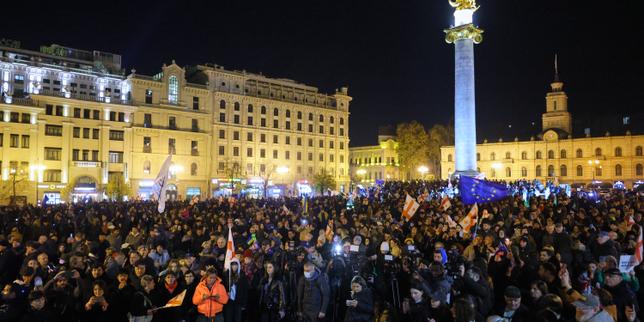
Tens of thousands of people poured into central Tbilisi on November 28, 2026, marking two full years since Prime Minister Irakli Kobakhidze froze Georgia's European Union accession talks until 2028. Two years. That's 731 days of street pressure, fines, arrests, and sheer stubbornness in the South Caucasus.
Plenty of commentators expected this movement to burn out by spring 2025. Honestly, I wouldn't bet against Georgians when their constitutional compass is on the line. What started as an angry eruption on November 28, 2024—right after disputed parliamentary elections—has hardened into a permanent political fault line between the ruling Georgian Dream party and a broad civic coalition chanting "Georgia is Europe" and "Georgia without Ivanishvili".
If you only read quick wire summaries, you miss the real story. Street size spikes on anniversaries, sure, yet the deeper shift is how persistent smaller actions have become. According to conflict monitoring group ACLED, Georgia recorded 1,371 demonstration events between November 28, 2024 and November 19, 2026—almost 2.5 times the 552 events logged in the prior two-year window, with the overwhelming majority staying peaceful.
Why Tbilisi Pro European Protests Keep Drawing Crowds
People ask the same question every few months: how do you keep tens of thousands of citizens coming back when the government holds state power, raises protest fines, and jails prominent opposition figures?
First, this isn't just a partisan rally for one politician. Even fifth president Salome Zourabichvili joined the November 28, 2026 mobilization as marchers converged on Freedom Square from Tbilisi State University, Avlabari metro, and Orbeliani Square. When students, civic organizers, and rival opposition factions walk from three directions toward the same square, the crowd stops looking like a party fan club and starts looking like a civic habit.
Second, there's a sharp gap between official policy and public sentiment. EU integration isn't a fringe hobby in Georgia—it sits written into the country's constitution and commands roughly 80% support in opinion polls. When Prime Minister Kobakhidze paused accession talks until 2028, critics didn't just see a diplomatic delay. They saw a deliberate pivot away from Brussels and toward closer alignment with Moscow, despite Georgian Dream denying that charge.
Let's be real about a common mistake outside observers make. Watching a huge crowd on November 28 and assuming Georgian Dream is about to collapse overnight is wishful thinking. Street power shifts moods and tests nerves, yet institutions, courts, and security forces still sit in the ruling party's hands. Conversely, dismissing the movement because daily crowds look smaller than peak marches is just as lazy. Sustained, decentralized pressure wears down political legitimacy over time.
What Georgian Dream Is Doing Behind the Scenes
Street clashes grab cameras, while legal and institutional moves do quieter, heavier damage. Over the past two years, authorities have tightened rules on unauthorized gatherings, increased fines, passed sweeping restrictions targeting independent media and civil society groups, and detained activists and opposition figures.
The biggest escalation right now is happening in court. Hearings opened in October 2026 on a Georgian Dream lawsuit asking the Constitutional Court to ban five major pro-Western opposition forces—including the United National Movement, Coalition for Change, and others—under Article 23 of the constitution on claims they threaten the constitutional order. The court faces a deadline in June 2027 to rule.
Outlawing main opposition parties doesn't create stability; it hollows out electoral competition and forces politics back onto the pavement.
📖 Related: questions of travel elizabeth
Even selective leniency comes with strings attached. Authorities pardoned seven jailed protesters shortly before the two-year mark, while Kobakhidze has signaled willingness to release others who "show remorse and acknowledge their crimes". For activists who view their protests as constitutionally protected speech rather than a crime, that offer feels like a trap rather than a truce.
Meanwhile, Brussels isn't pretending business is normal. EU officials have warned that Georgia—granted candidate status in 2023—is effectively a candidate "in name only" given ongoing democratic backsliding, and the European Parliament has sharply criticized the push to outlaw major opposition parties. Still, external statements alone haven't reversed policy in Tbilisi, which leaves many Georgians feeling caught between a defiant government at home and a cautious EU abroad.
Four Misconceptions About Georgia's Crisis
When a political standoff drags past two years, bad takes spread fast. Here's what usually gets distorted:
- Every protest is a riot. Data from ACLED shows the vast majority of demonstrations over this two-year stretch have been peaceful, even during periods of heavy police presence and past crackdowns.
- The freeze on EU talks was just about "foreign pressure." Georgian Dream has argued that pausing negotiations until 2028 protects sovereignty from external meddling, yet opponents point to anti-NGO laws, media crackdowns, and party-ban litigation as proof of domestic authoritarian drift.
- Opposition unity means total agreement. Parties across Georgia's anti-government camp often disagree on tactics, history, and leadership, even when they march together under banners like "Georgia is Europe" and "Georgia without Ivanishvili".
- Nothing changes between big rallies. Smaller gatherings, legal battles, civic organizing, and international scrutiny keep pressure alive week after week, even when global headlines move elsewhere.
It's also worth noting where information gaps exist. Crowd-size estimates during mass rallies vary wildly depending on who's counting—organizers, independent outlets, or officials—so treating any single headcount as gospel is a rookie mistake. Stick to verified patterns, court timelines, and independent monitoring data instead.
Practical Next Steps If You're Following or Supporting From Abroad
Whether you're a policy watcher, journalist, diaspora member, or just trying to make sense of why Tbilisi keeps boiling over, don't wait for another dramatic anniversary to pay attention. Focus on concrete signals over the coming months:
- Track the Constitutional Court timeline through June 2027. Watch how the court handles hearings on banning the five opposition parties, because a ruling against major pro-Western forces would reshape Georgia's political map far more than a single street march.
- Read local and independent monitoring sources alongside big wire reports. Pair international coverage with regional reporting such as JAMnews and event tracking from ACLED to separate routine civic gatherings from genuine escalations.
- Watch EU institution reactions and visa or diplomatic policy. Pay attention to concrete steps in Brussels—not just speeches—to see whether the EU moves from rhetorical warnings to tougher measures.
- Support credible press freedom and legal defense work. If you want to help tangibly from outside Georgia, look for vetted independent media outlets and civil society legal aid groups documenting detentions, fines, and rights abuses on the ground.